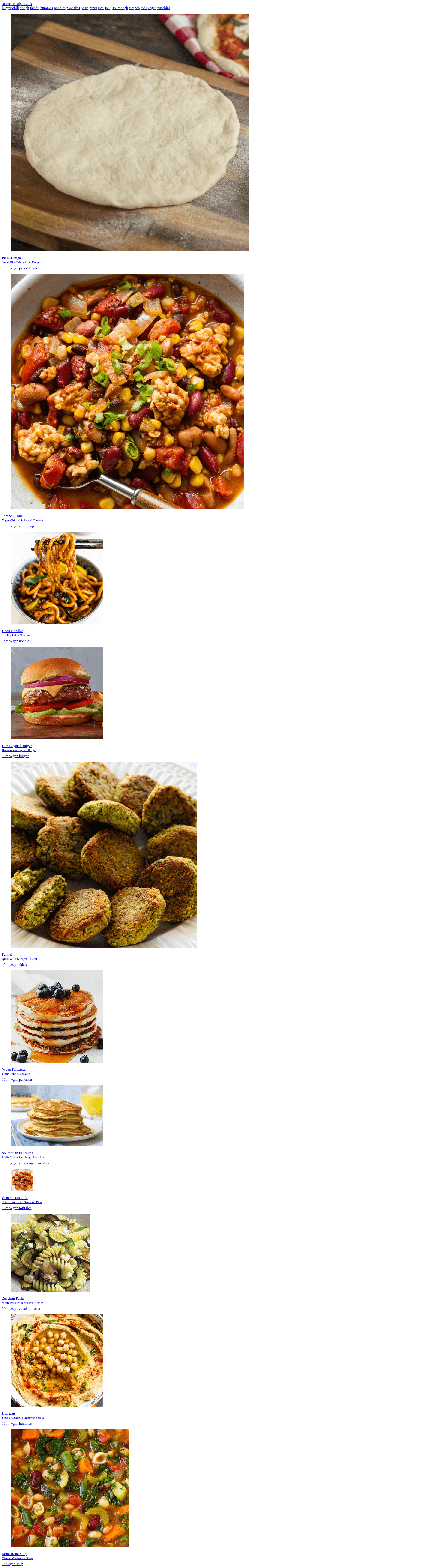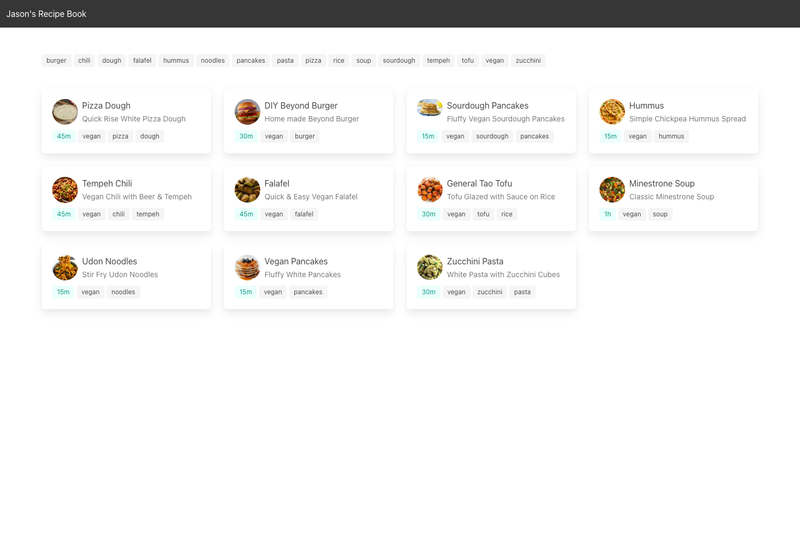
Recipes Book is a Hugo theme for publishing recipe collections as static websites, using the Hugo static site generator to turn Markdown recipe content into a fast, deployable site.
What is Recipes Book?
Recipes Book is a Hugo theme designed for publishing recipe collections as static websites. It runs on Hugo, an open-source static site generator written in Go, and produces plain HTML output that can be served from any web host. The theme is hosted on GitHub under a repository with 24 stars and the topics "golang", "hugo", and "hugo-theme", confirming its place in the Hugo ecosystem. No additional runtime or database is required because Hugo compiles all content into static files at build time.
What makes Recipes Book stand out?
- Hugo-powered static generation — Recipes Book inherits Hugo's content pipeline, meaning recipes written in Markdown are compiled into static HTML files with no server-side dependencies.
- Draft preview support — The documented command
hugo server -Druns a local server that includes draft content, letting you preview unpublished recipes before they go live. - Netlify-ready deployment — A Netlify status badge links to a deploy preview, indicating the repository is configured for continuous deployment to Netlify.
- Open-source availability — The theme's source code is public on GitHub, where it has amassed 24 stars, making it a community project that anyone can fork or adapt.
- Go-based toolchain — Because Hugo is written in Go, the theme runs on a single binary that works across Windows, macOS, and Linux.
Who should use Recipes Book?
Home cooks who want to create a personal collection of their own recipes with a clean, static website will find this theme useful. Food bloggers who prefer the speed and low maintenance of a static site can use it to publish recipe articles without managing a CMS. Small publishers or families documenting heritage recipes can also adopt the theme, since it requires only basic familiarity with Markdown and Hugo to add new content.
What can you do with Recipes Book?
- Publish recipes — Write a recipe in Markdown with ingredients, instructions, and metadata, and the theme renders it as a formatted page on your site.
- Preview drafts — Run
hugo server -Dto see draft recipes locally with the same styling they'll have in production. - Deploy to Netlify — Connect the repository to Netlify to get automatic builds and publishing whenever you push changes to your repository.
- Customize the theme — Since the theme is open-source, you can modify layouts, styles, and content structures to match your own branding.
How does Recipes Book work?
Recipes Book works like any Hugo theme: you install the theme into your Hugo site's themes directory, add recipe content as Markdown files with front matter, and build the site with the hugo command. For local development, the command hugo server -D starts a preview server that watches for file changes and hot-reloads the browser, including draft pages. The resulting static files can then be deployed to any hosting service, with Netlify integration already indicated by the project's status badge.
FAQ
How do I run Recipes Book locally?
Run hugo server -D from the root of your Hugo site directory. The -D flag includes drafts, so you'll see content that hasn't been marked as published yet. The server watches file changes and refreshes the browser automatically.
Does Recipes Book require a database?
No. Recipes Book is built on Hugo, a static site generator, so all content is stored as Markdown files and compiled into static HTML at build time. You can host the output on any basic web server, CDN, or static hosting service.
Can I deploy Recipes Book to Netlify?
Yes. The repository includes a Netlify status badge, which suggests it has a linked Netlify deployment. In Hugo, deployment to Netlify only requires setting the build command to hugo and the publish directory to public.
Is Recipes Book free to use?
The theme's repository is publicly accessible on GitHub, and it's listed as an open-source Hugo theme. However, no explicit license is visible in the provided content, so you should check the repository itself for licensing terms before redistributing it.