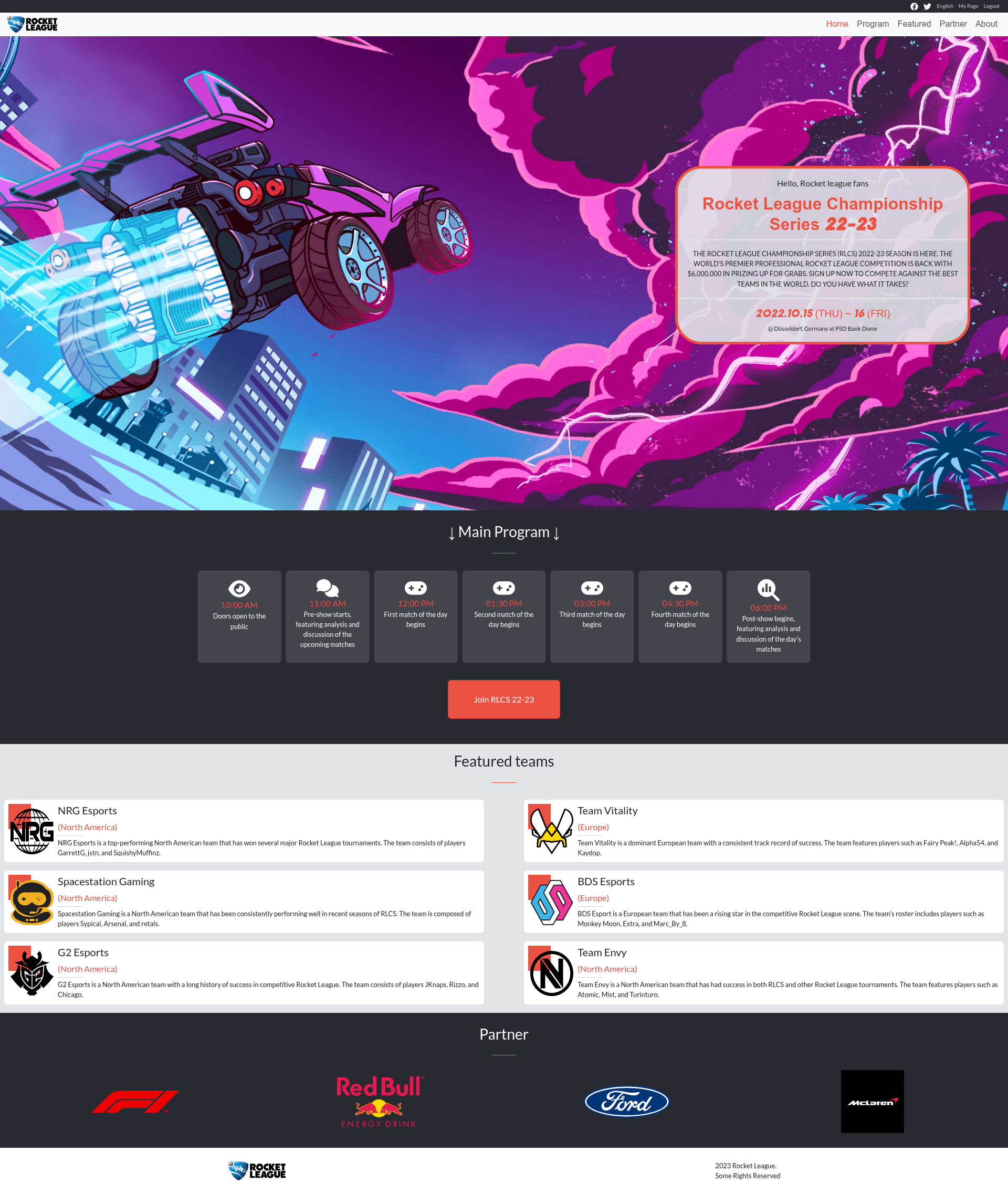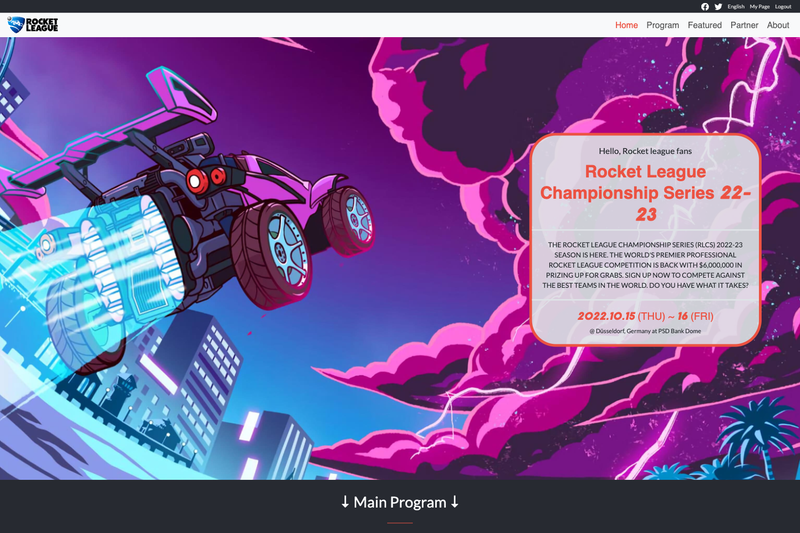
RLCS Event Template is a static, mobile-first event webpage template built with plain HTML5, CSS, and JavaScript, designed to market and sell tickets for a hypothetical Rocket League Championship Series event. The project is open source under the MIT license, was created by developer Salim Bamahfoodh, and is deployed live on GitHub Pages.
What is the RLCS Event Template?
The template is a single-page website that promotes a fictional RLCS 22-23 season event, presenting event information, activities, and social contact links. It takes static HTML, CSS, and JavaScript files as input and produces a responsive landing page that can be hosted on any static web server. No build tools, package managers, or installation are required; the only runtime requirement is a web browser. The author, Salim Bamahfoodh, published the source on GitHub, and the visual design is credited to Cindy Shin's Behance concept, with the preview design by Rakman Anaam.
Key Features
- Mobile-first development — styles are built for small screens first, with responsive behavior that adapts to any screen size.
- Dynamic content creation — JavaScript generates page content at runtime, allowing the same structure to be reused for different event data.
- Landing page layout — includes hero-style sections for marketing an event, with fast access to social media and contact channels.
- No build step — the site runs directly from index.html, so you can edit files and refresh the browser to see changes; the README gives no-install clone and run instructions.
- Adaptable topic structure — the project description explicitly says it is adaptable for other topics, not only Rocket League.
- GitHub Pages deployment — the live demo is at salimer.github.io/RLCS-event-template/, and the README explains how to deploy with any web hosting service.
Who should use the RLCS Event Template?
- Event organizers can use it as a starting point to promote a community esports tournament or local meetup by swapping the RLCS branding for their own event details.
- Aspiring front-end developers can study the plain HTML/CSS/JS codebase to learn responsive layout and dynamic DOM generation without a framework.
- Students completing web development assignments can adapt this MIT-licensed template for portfolio or coursework projects, since it was originally built from a Microverse design brief.
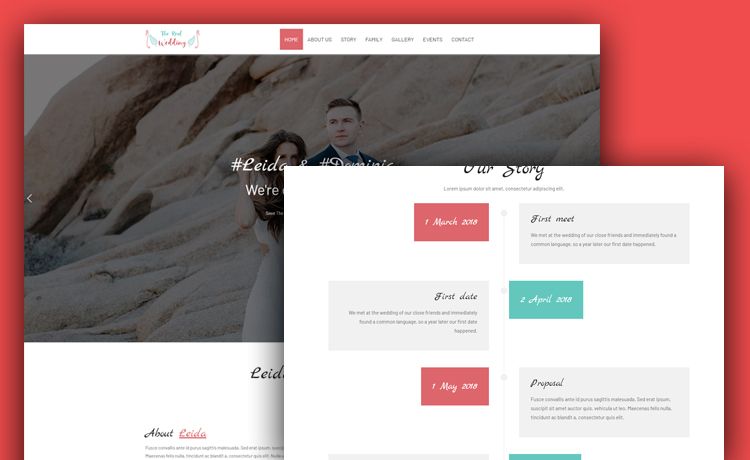
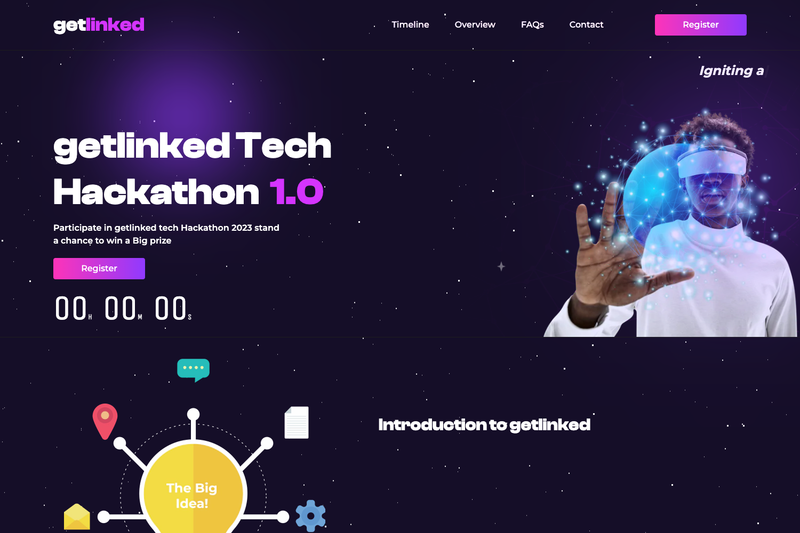
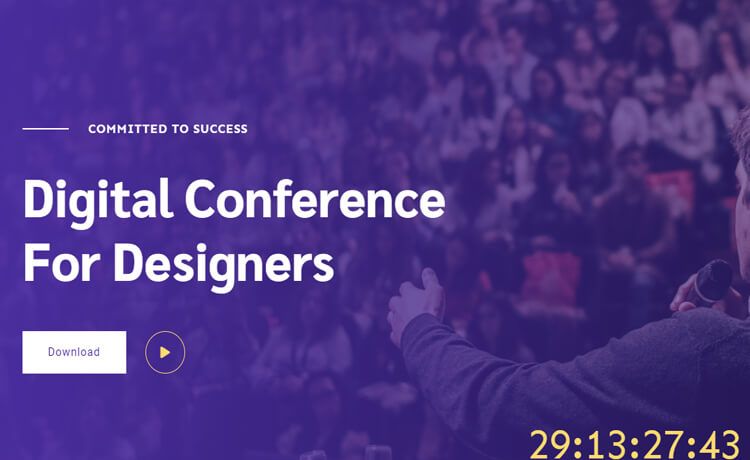
- Freelancers can repurpose the adaptable theme for non-esports events such as festivals or hackathons by editing the static files.
What can you do with the RLCS Event Template?
- Community esports organizers: set up a tournament announcement page with event schedules and social links using the existing landing page structure.
- Front-end learners: clone the repository and experiment with the JavaScript content generation to understand how the page builds its sections.
- Freelancers and small teams: deliver a lightweight event landing page to clients by replacing the placeholder copy and links in the HTML files.
How does the RLCS Event Template work?
The README describes a simple workflow: clone or fork the repository, then open index.html directly in any web browser. There is no installation step, no dependency install, and no test suite included. Because everything is static, deploying to a service like GitHub Pages involves pushing the repository and enabling Pages, exactly as the live demo does.
FAQ
Does the RLCS Event Template require any installation?
No. The README states that no installation is required; you clone the repository and open index.html with a web browser. It runs in any modern browser, including Google Chrome on Ubuntu.
Can I use this template for an event other than Rocket League?
Yes. The project description says it is adaptable for other topics. The event content is fictional, so you can replace the RLCS branding, images, and copy with your own event information.
What tech stack does the template use?
It uses plain HTML5, CSS, and JavaScript. There are no front-end frameworks, build tools, or package dependencies listed in the README's tech stack section under the client submenu.
Is the template free to use?
The repository is licensed under the MIT license, which permits free use, modification, and distribution with attribution. The original design idea is credited to Cindy Shin on Behance.