Newsletter
Join the Community
Subscribe to our newsletter for the latest news and updates

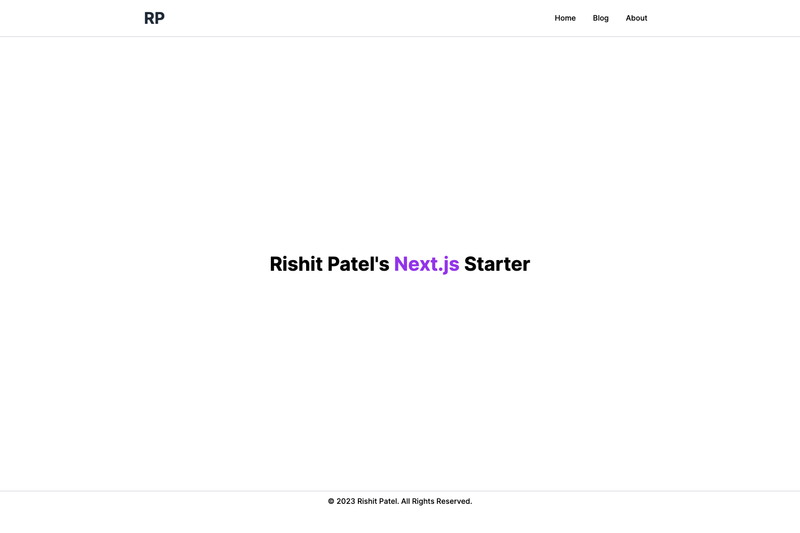
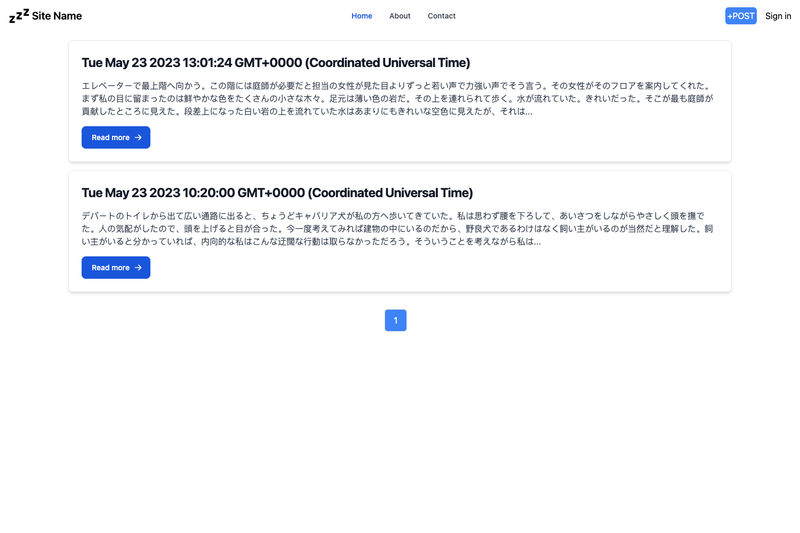
A Next.js starter template with Tailwind CSS, shadcn/ui, built-in SEO, and both app and pages directory support.
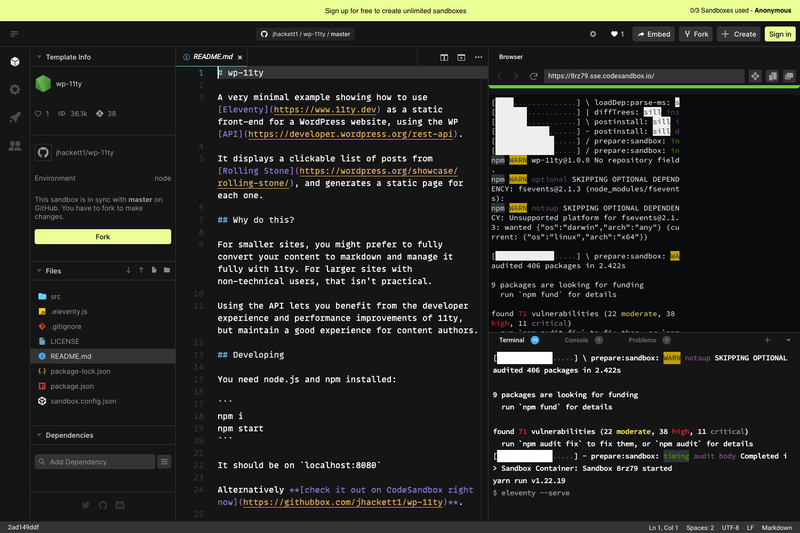
A minimal example of using Eleventy as a static front-end for WordPress via the WP REST API.
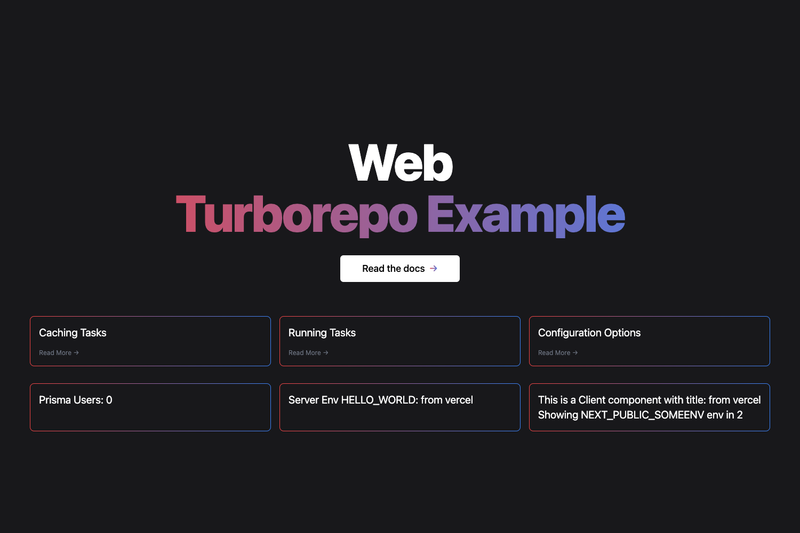
A Turborepo monorepo starter with Next.js, Tailwind CSS, Prisma, and type-safe environment variables.
A minimal Gatsby blog starter with markdown posts, styled-components, Sass, Google Analytics, Disqus, and offline support.
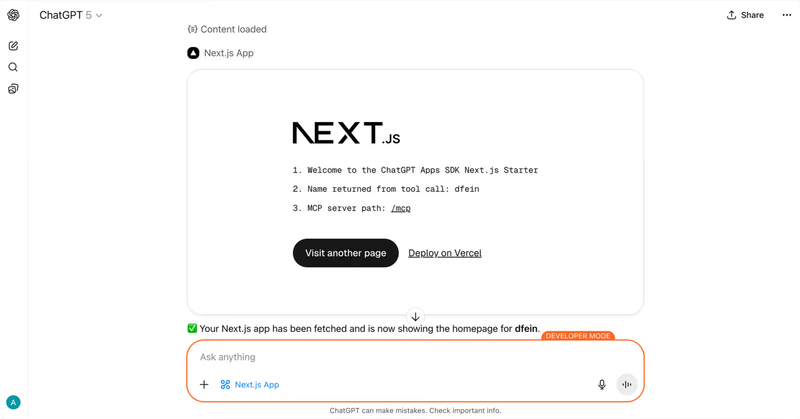
A minimal Next.js starter for building OpenAI Apps SDK-compatible MCP servers with widget rendering in ChatGPT.

A fully built Nuxt SaaS template with landing, pricing, docs, and blog powered by Nuxt UI and Nuxt Content.
RP Next.js Starter is a free, MIT-licensed Next.js boilerplate that scaffolds a production-ready web project with Tailwind CSS, shadcn/ui, and built-in SEO out of the box.
RP Next.js Starter is a GitHub template by Rishit Patel (imrishit98) for kick-starting Next.js applications. It takes a fresh clone from the repository and produces a working Next.js project configured with Tailwind CSS, shadcn/ui components, and automated search-engine features. It runs on any Next.js deployment target, including Vercel and Netlify, and includes both the new app directory structure and the legacy pages directory for backward compatibility. If you prefer only the pages directory, the author maintains a separate starter called rp-nextjs-starter-pages-dir.
yarn create next-app -e https://github.com/imrishit98/rp-nextjs-starter or the equivalent npx command.The quick start is simply running npx create-next-app -e https://github.com/imrishit98/rp-nextjs-starter in your terminal. Once the project is downloaded, you run npm run dev or yarn dev to start the development server at localhost:3000, then edit src/app/page.js to change the homepage. To deploy, you either push to Vercel/Netlify via their deploy buttons or follow the standard Next.js deployment docs.
Yes, the starter is open source under the MIT License, so you can use, modify, and distribute it freely, including in commercial projects.
Yes, it includes both the new app directory and the old pages directory for backwards compatibility. If you only want the pages-directory version, the author provides a separate repository called rp-nextjs-starter-pages-dir.
The starter generates a robots.txt file from src/app/robots.js and a sitemap from src/app/sitemap.js. The sitemap scans the app directory, respects an ignorePaths list, and handles dynamic routes and nested folders.
Both the robots and sitemap features read from a site-config.js file. You update this file with your production URL and the generated files will use it.
Vercel and Netlify both have one-click deploy buttons in the README, and because it's a standard Next.js app, any Next.js-compatible hosting service works.