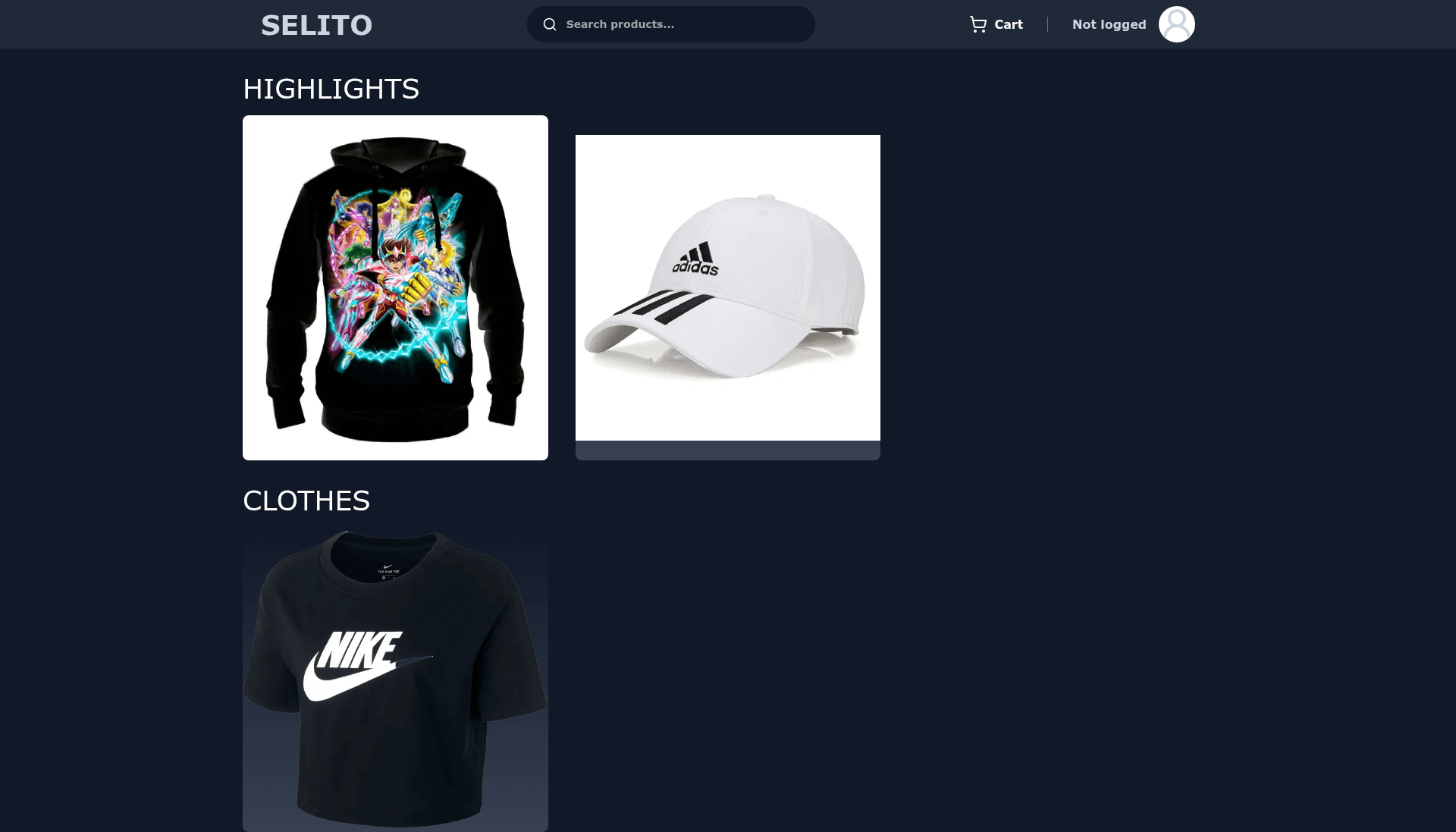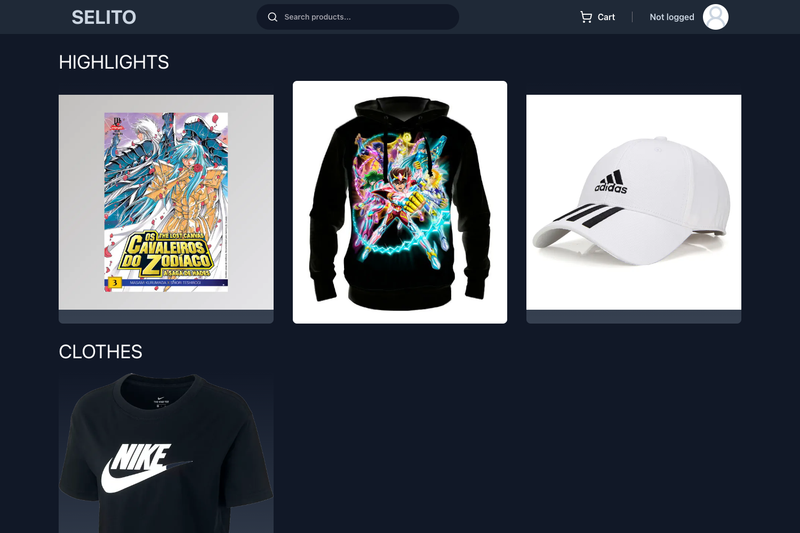
Selito is a fullstack ecommerce boilerplate built entirely in TypeScript, combining Next.js 13, Next Auth, Tailwind CSS, Stripe, and PostgreSQL to deliver a ready-to-run storefront with an admin panel. A live demo is deployed at https://selito.vercel.app/login.
What is Selito?
Selito is a fullstack ecommerce template written in TypeScript on Next.js 13, using Next Auth for authentication, Tailwind CSS for styling, Stripe for payments, and PostgreSQL for data storage. It produces a working storefront with user registration and login, product browsing, cart functionality, and Stripe checkout, plus an admin interface for catalog and inventory management. The template serves as a foundation for selling online without building the ecommerce plumbing from scratch.
Key Features
Selito covers both the customer-facing storefront and the admin backend, with all code shared in a single TypeScript project.
- User authentication — Register and log in with Next Auth, providing session-based access for customers and admins.
- Product catalog — View a list of products in the dashboard and open individual product detail pages.
- Shopping cart — Add items to a cart, with the selected products tracked before checkout.
- Stripe checkout — Process payments through the Stripe API; the live demo runs in test mode only, so no real money is moved.
- Admin panel — Register new items, create categories, and manage stock levels from a protected admin page.
- Tech stack — Built with Next.js 13, TypeScript, Tailwind CSS, and PostgreSQL, with Next Auth handling sessions across the app.
Who is it for?
Selito is aimed at developers who want a typed, production-ready starting point for an ecommerce site without starting from a blank canvas. Small business owners can explore the demo to see how the storefront and admin flows work. Freelancers and agencies can use it as a foundation for client projects, customizing branding, products, and Stripe keys. Learners can study the codebase to see how Next.js, Next Auth, and Stripe integrate in one fullstack application.
What can you do with Selito?
Selito supports common ecommerce workflows out of the box, from browsing products to processing test payments.
- Independent merchants: launch a simple online store with product listings, categories, and a cart, then accept Stripe test payments before going live.
- Developers: extend the TypeScript codebase to add custom products, pricing rules, or UI changes using Tailwind's utility classes.
- Admin users: manage the catalog by registering new products, adding categories, and updating stock quantities from the admin page.
- Proof-of-concept teams: set up a working demo quickly using the live deployment and the hosted login flow.
FAQ
Does Selito have a live demo?
Yes. A live demo is hosted at https://selito.vercel.app/login. The demo uses Stripe in test mode, so no payment is processed.
What tech stack does Selito use?
Selito uses Next.js 13, TypeScript, Tailwind CSS, Next Auth, Stripe, and PostgreSQL. All of the application code is written in TypeScript.
Is Stripe checkout enabled in the demo?
The checkout integrates with Stripe's test platform in the demo. You can simulate a purchase with test cards, but the transaction will not be real.
Can I use Selito with a different database?
The template specifies PostgreSQL as its relational database. Moving to another database would require modifying the data layer, which is not detailed in the repository.