Newsletter
Join the Community
Subscribe to our newsletter for the latest news and updates

Generate and manage your personal website and portfolio with ease
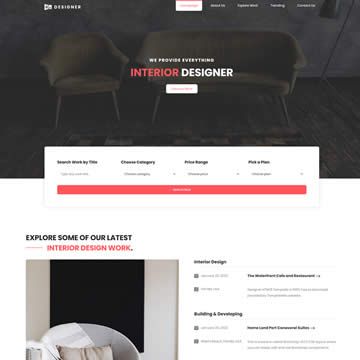
Free full-width fluid HTML CSS template for interior design and decoration companies, built on Bootstrap v5.1.3 with 5 pages.
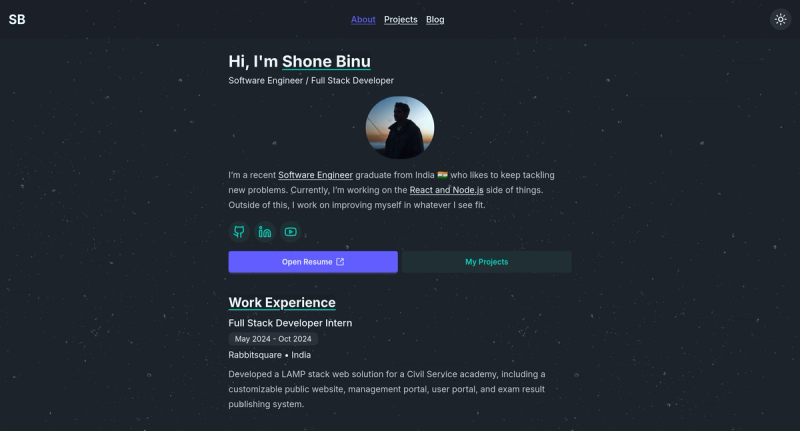
A minimal Astro and daisyUI portfolio with customizable site data and a Markdown blog.
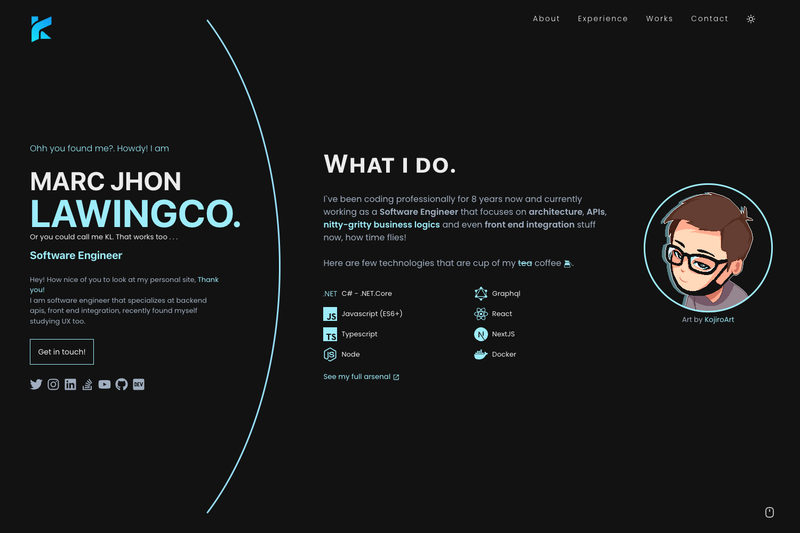
Personal portfolio site built with Next.js, ChakraUI and Framer Motion, deployable on Netlify.
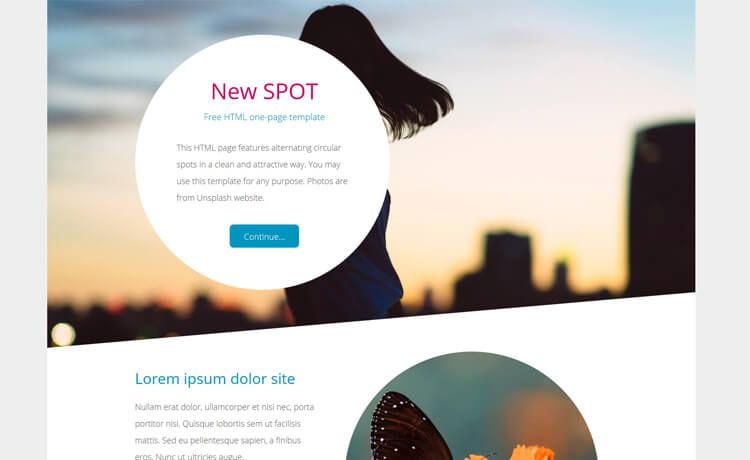
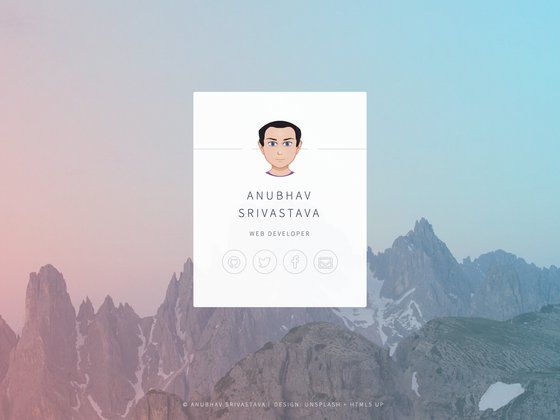
Free one-page Bootstrap 4 HTML5 multi-purpose website template with a clean, minimal circular design.
ShipStation is an open-source, AI-driven portfolio management service that generates a personal website from your name, profession, and a design prompt, then lets you manage and update that site through natural-language chat. Built as a full-stack reference app, it combines a React (Vite) frontend with a Node.js backend and integrates Anthropic, Supabase, Tavily, PayPal, and S3.
ShipStation is a full-stack portfolio generator and manager. You provide basic details (name, profession, design prompt), and the application uses the Anthropic API to generate a personal website, which is then stored in an S3 bucket and served at a custom path like firstsite.app/site/website-slug. The project lives on GitHub under the daytimedrinkingclub organization and is distributed as an open-source template.
ShipStation's setup requires Node.js v20 or later, an Anthropic API key, a Supabase account, a Tavily API key, and optionally a PayPal account. You clone the repository, create a Supabase project, run the SQL in server/setup.sql, and create three environment files: a backend .env, plus client .env.local and client .env.production. Running npm run dev in the repository root starts the Node backend; a separate terminal runs the Vite client at localhost:5173. For deployment, build the client and push to main, and Heroku auto-deploys the app.
The source code is open-source and you can self-host it without paying a license fee. However, you must bring your own Anthropic API key and Supabase account, so your own API and infrastructure costs apply when running it.
No. The portfolio generation and chat interface are designed for non-developers; you describe your profession and design preferences in plain language. Setting up and deploying the application itself does require developer knowledge.
ShipStation uses the Anthropic API for AI generation, Supabase for user authentication, Tavily API (for additional data retrieval), PayPal or Razorpay for payments, and S3 for storing generated websites. The frontend is React with Vite and the backend is Node.js.
Yes. The README describes a Heroku deployment flow: build the client with npm run build, commit changes, push to main, and Heroku automatically detects and deploys the app.