Newsletter
Join the Community
Subscribe to our newsletter for the latest news and updates

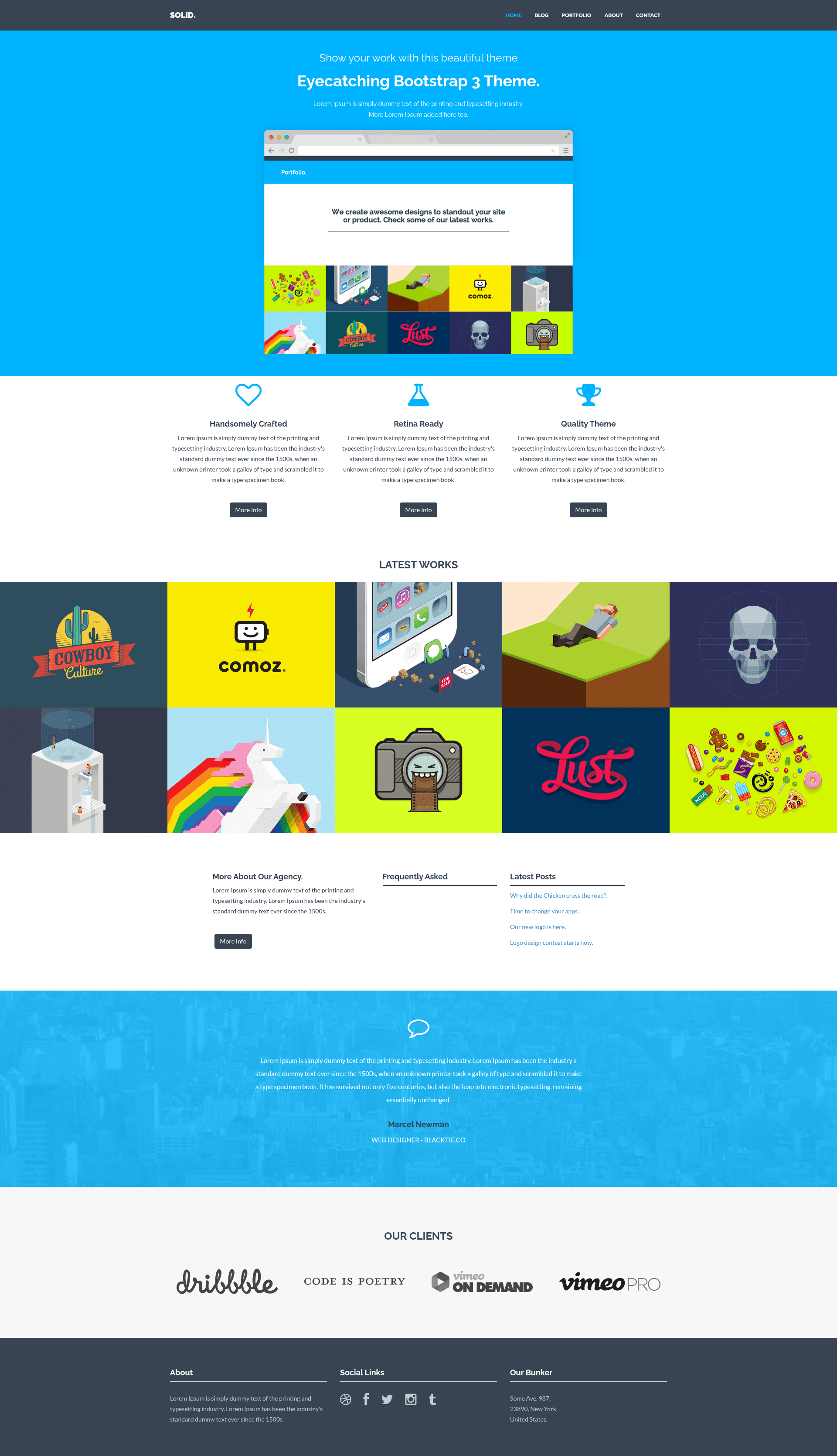
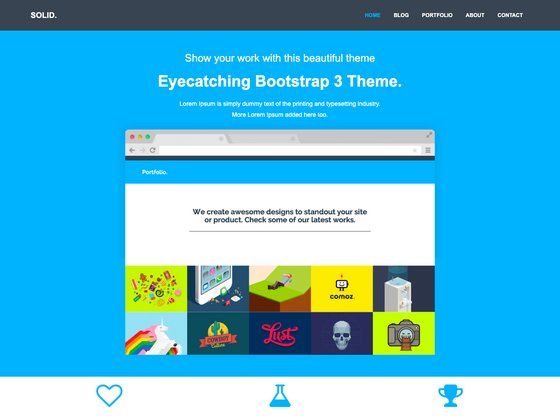
A free Jekyll port of the Solid Bootstrap multipurpose theme with blog, portfolio, and FAQ sections.
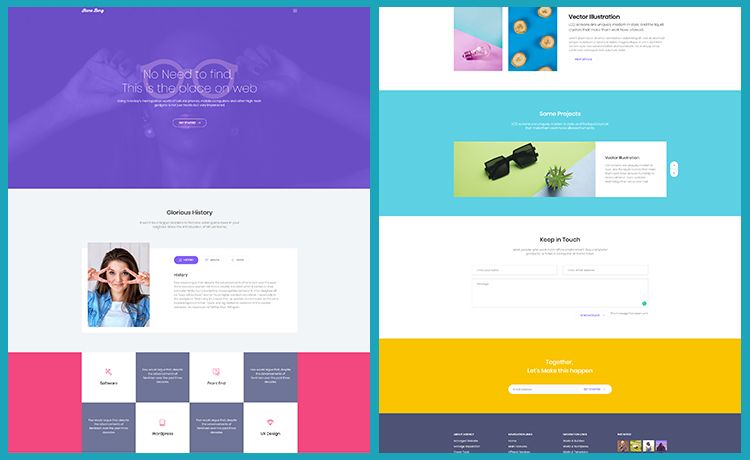
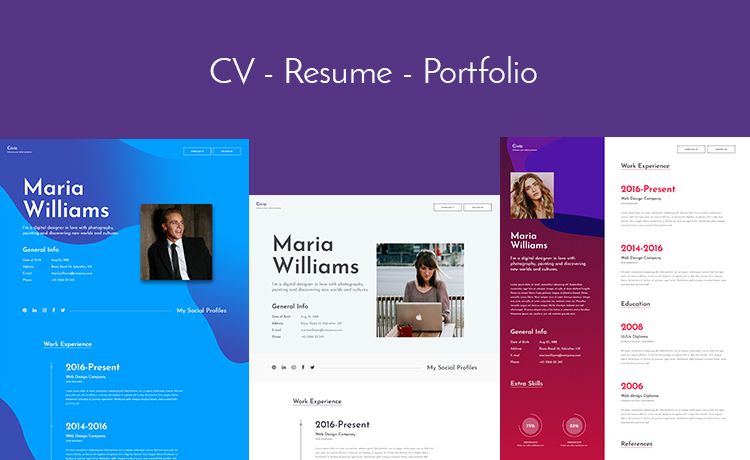
Free colorful one-page Bootstrap 4 personal template for portfolio, resume, CV, and vCard websites with working contact form and Instagram feed.
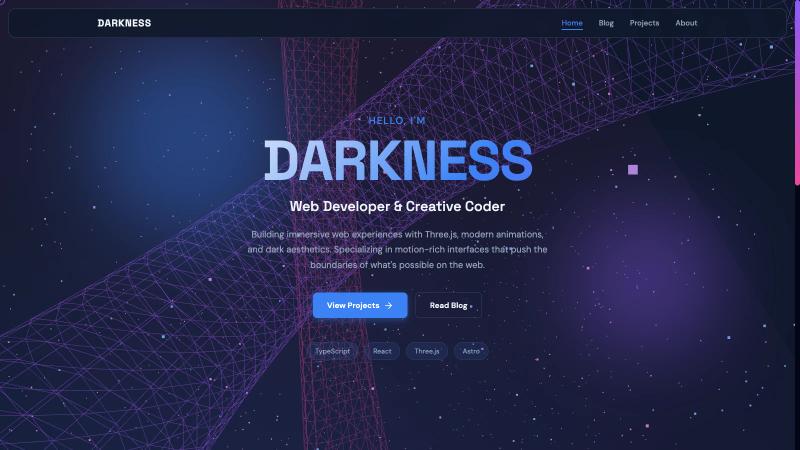
A dark portfolio & blog theme for Astro with a live 5,000-particle Three.js background, blog system, and glassmorphism UI.
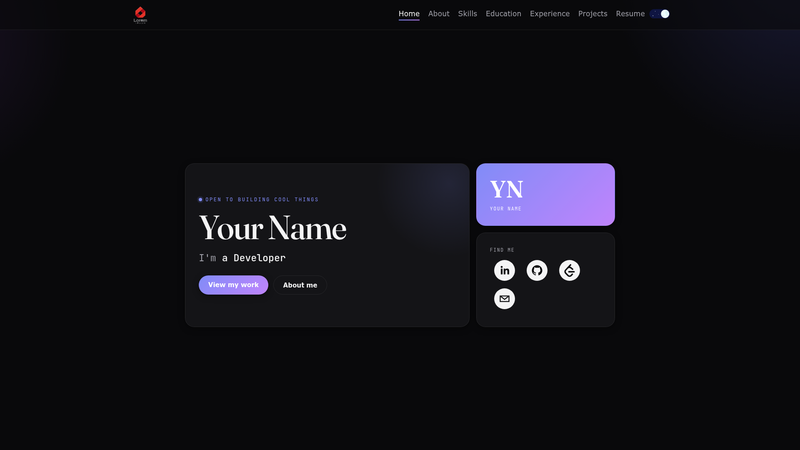
A fully customizable developer portfolio template built with React 18 and Vite, featuring JSON-driven content, a dark-first bento UI, and light/dark themes.
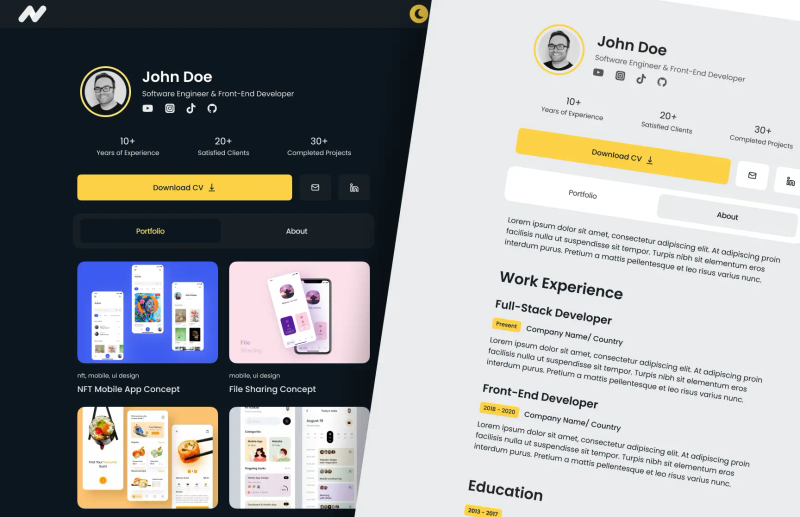
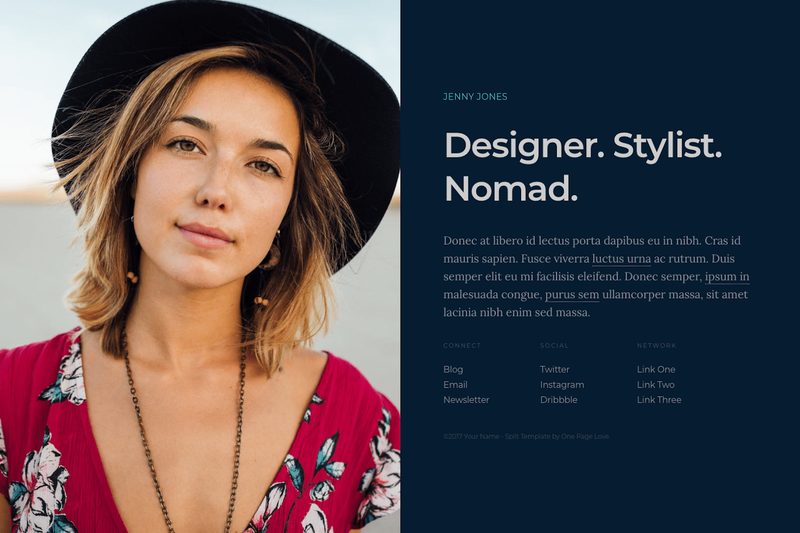
A free and open-source portfolio template built with Astro. It's a great starting point for building your own portfolio site.
Solid is a free Jekyll port of the Solid multipurpose Bootstrap theme by blacktie.co, built for publishing straight from GitHub Pages with blog, portfolio, and FAQ sections.
Solid is a Jekyll theme that ports the popular Solid Bootstrap template to the Jekyll static site generator. It takes markdown files with YAML front matter and produces a full website with Home, About, Portfolio, and Contact pages. The theme is maintained as a GitHub repository and can be customized and published entirely through GitHub Pages without installing Jekyll locally, making it accessible for beginners and quick launches.
<!--more--> controls preview length.question layout and they appear in the Frequently Asked section without touching HTML.The workflow starts by forking the solid-jekyll repository. You then edit _config.yml and the four page files to set your content, add markdown files to _posts/blog and _posts/project following the documented front matter templates, and finally create a gh-pages branch in the repository. GitHub Pages builds and hosts the site automatically; if assets fail to load, check that baseurl is set to /repositoryname.
Yes. Solid is released under the CC BY 3.0 license, so you can use and modify it for personal or commercial projects as long as you provide attribution to the original author.
No. The theme is designed for GitHub Pages, so forking the repository and enabling a gh-pages branch is enough to get a live site. Local Jekyll installation is only needed if you want to build and host elsewhere.
Create a file named with the format yyyy-mm-dd-name-of-post-like-this.markdown inside the _posts/blog directory. Fill in the YAML front matter (layout, title, date, author, categories, img, thumb) and add your content. An optional <!--more--> divider controls the excerpt shown on listing pages.
The theme expects blog post images at 850x450 with a 70x70 thumbnail, and project images at 600x450 plus carousel images at 1280x600. Place them in the corresponding /assets/img folders referenced in the front matter.