Newsletter
Join the Community
Subscribe to our newsletter for the latest news and updates

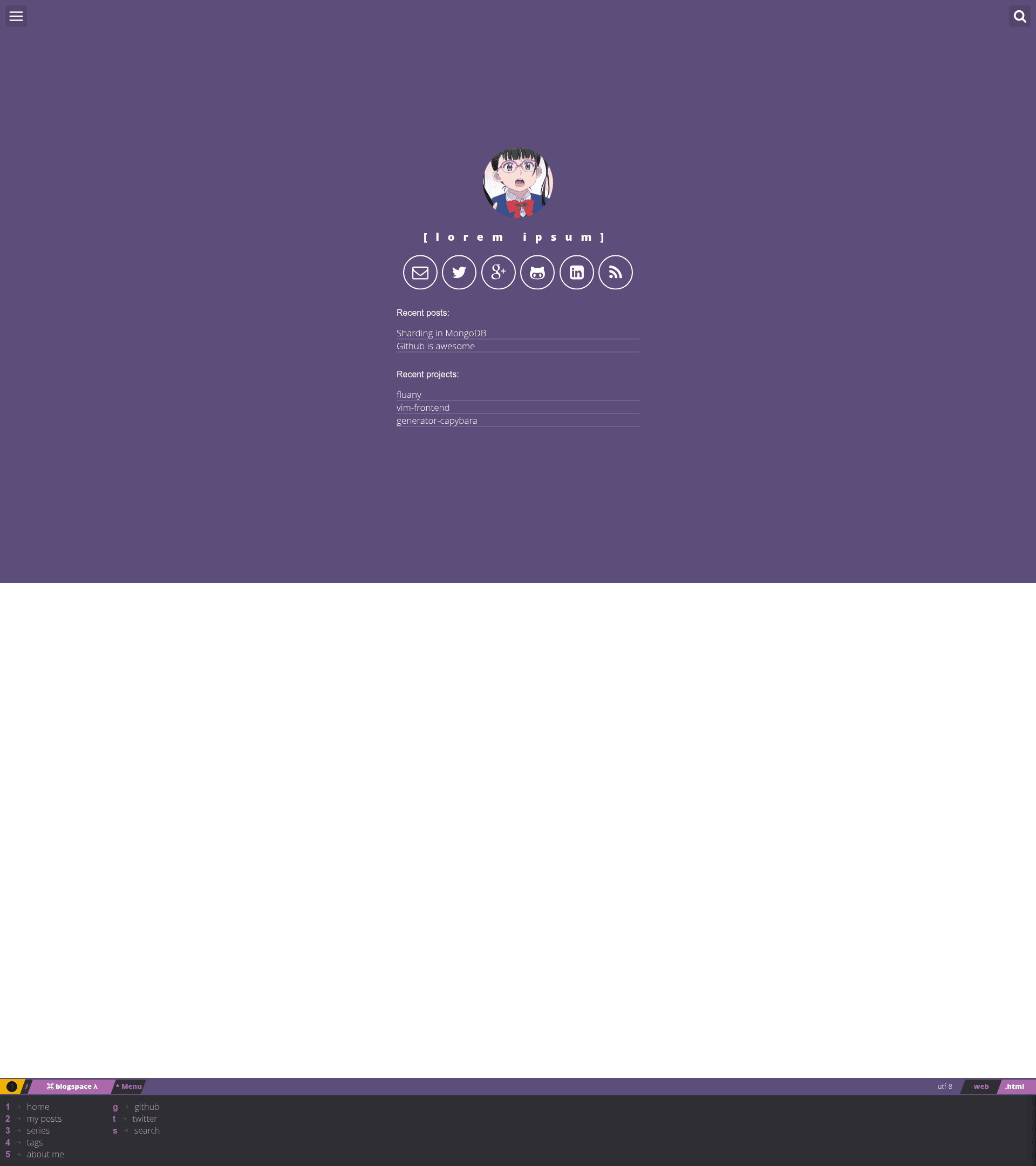
A simple and elegant Jekyll theme based on Spacemacs that works well on mobile devices.
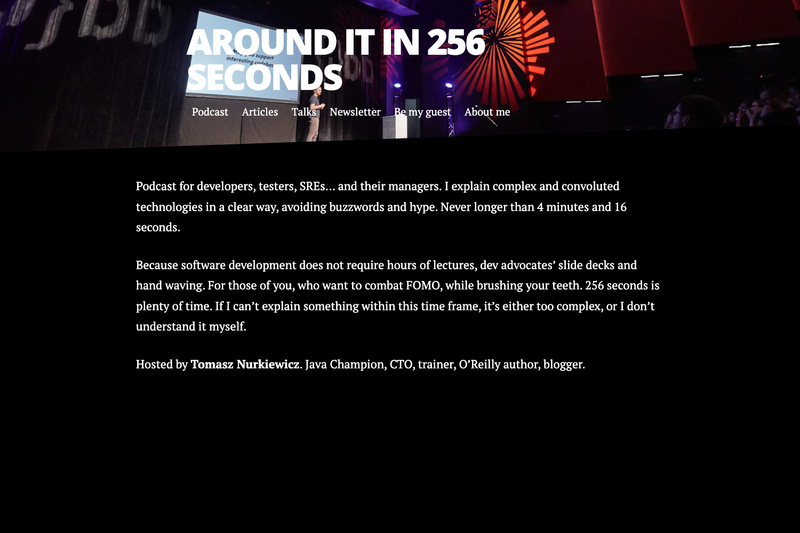
Open-source Jekyll blog and podcast site for Around IT in 256 seconds, using the Chirpy theme.
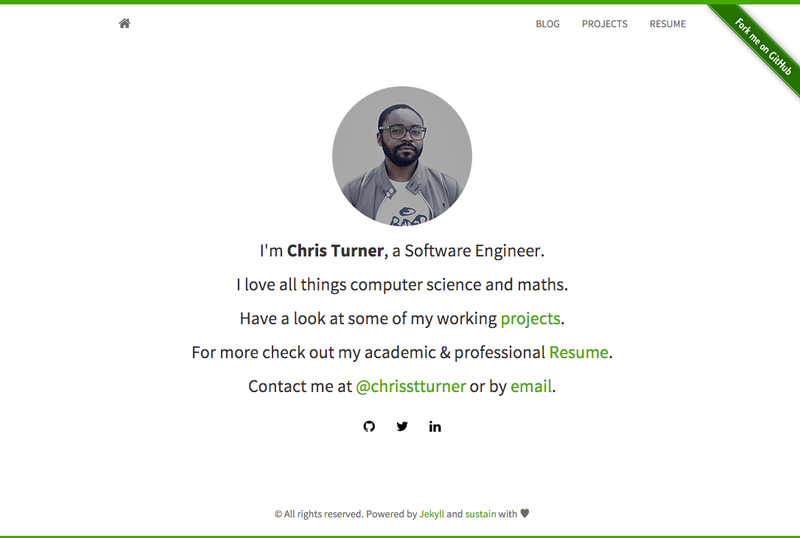
Sustain is a free Jekyll personal blog theme built with Bootstrap, designed for GitHub Pages.
Wooden Strip is a full-site blog theme with 2-column style that can be used for any blogging platform.
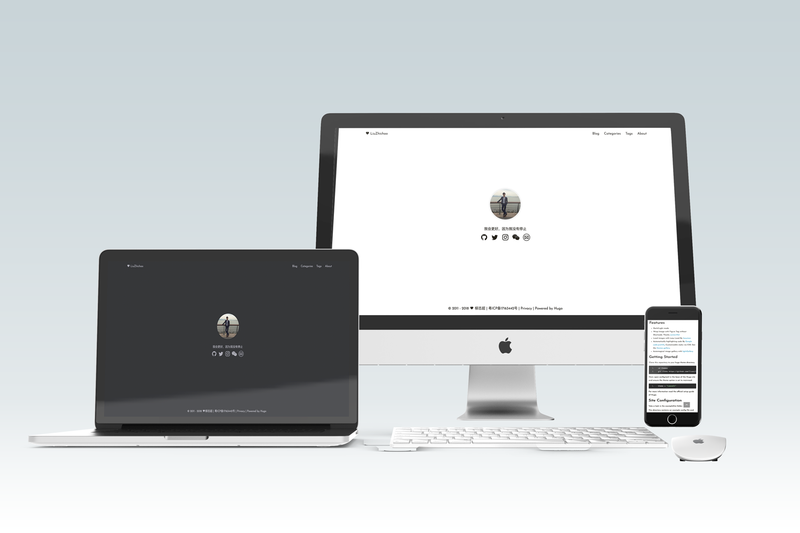
A clean, minimal blog theme for Hugo with dark/light mode, lazy loading, and code highlighting.
Space Jekyll is a Jekyll theme that generates a simple, mobile-friendly static blog styled after the Spacemacs editor interface.
Space Jekyll is a Jekyll theme that takes Markdown posts and configuration data and generates a static website styled after the Spacemacs editor. It runs on the Jekyll static site generator, requires Node.js and Gulp for local development, and is released under the MIT License by Victor Igor.
After installing Jekyll and Node.js, you fork the theme, clone it locally, run npm install to fetch build dependencies, and then run gulp to start the development server. Posts are added as Markdown files in the _posts directory, and site-wide settings live in _config.yml.
Space Jekyll is free. The repository is published under the MIT License, which permits commercial and personal use without payment.
Yes, Space Jekyll is free to use. It is distributed under the MIT License, which allows you to use, copy, modify, merge, publish, and sell copies of the software with attribution.
Create a Markdown file in the _posts directory with YAML front matter that includes layout, title, date, image, description, tags, categories, and twitter_text. The theme will render it as a blog post.
Open _config.yml and edit the links section. Each link has a title, url, and key_trigger. The key_trigger appears as a keyboard shortcut hint next to the menu title.
The theme uses Gulp as the build system, Stylus for CSS with Rupture for media queries, Jeet for grids, Kouto-Swiss as a CSS framework, BrowserSync for testing, and Zepto.js for JavaScript interactions.