Newsletter
Join the Community
Subscribe to our newsletter for the latest news and updates

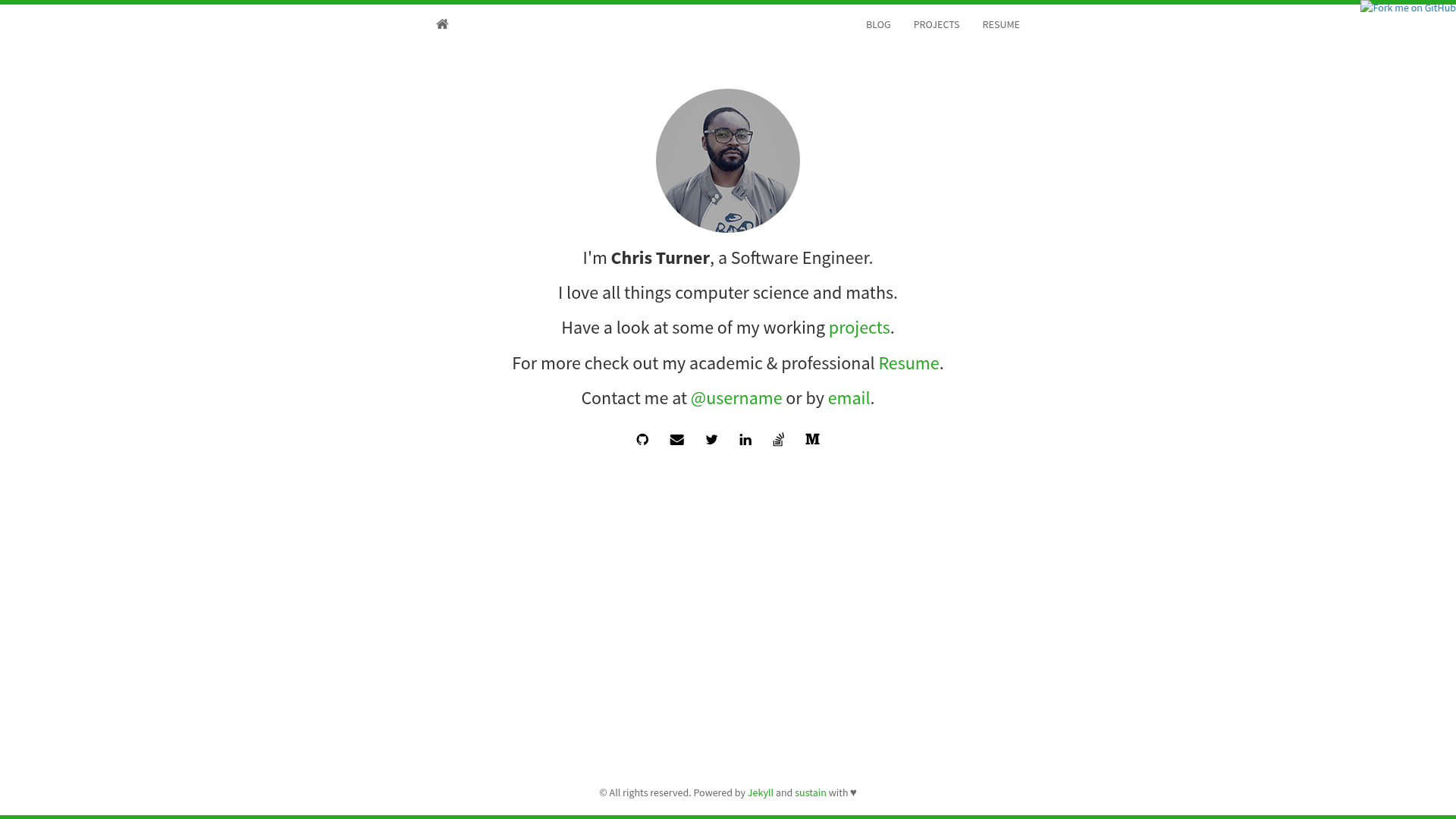
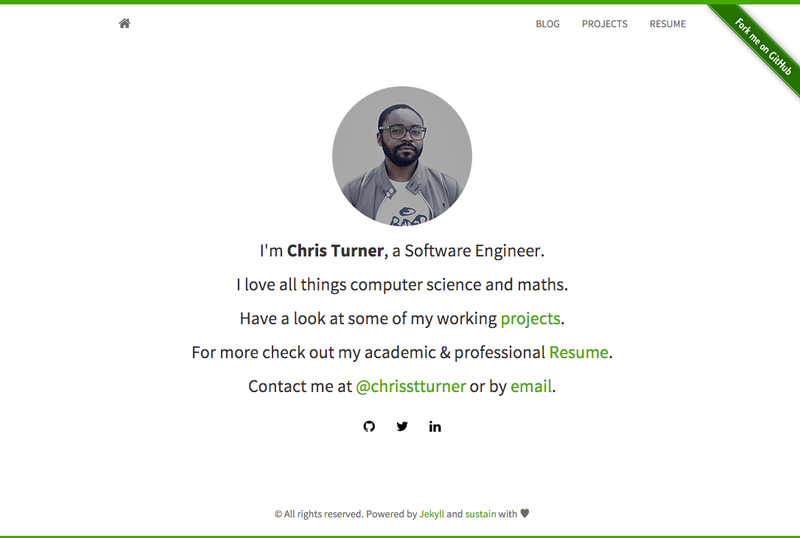
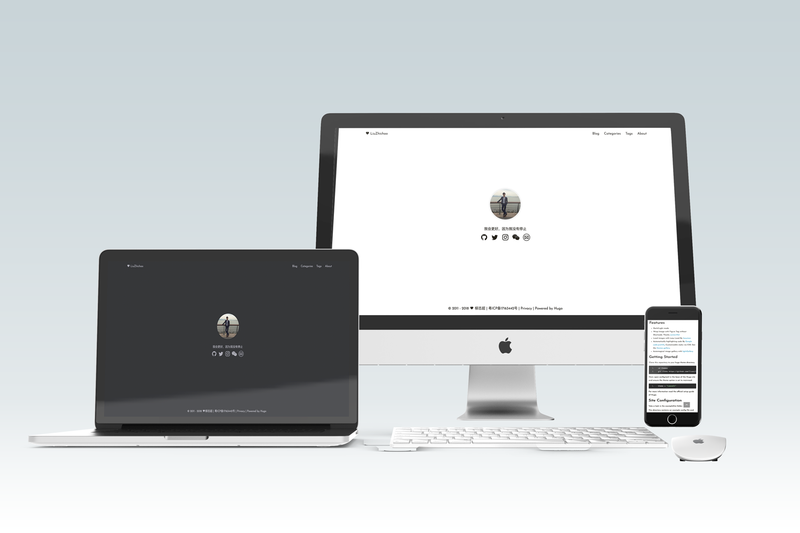
Sustain is a free Jekyll personal blog theme built with Bootstrap, designed for GitHub Pages.
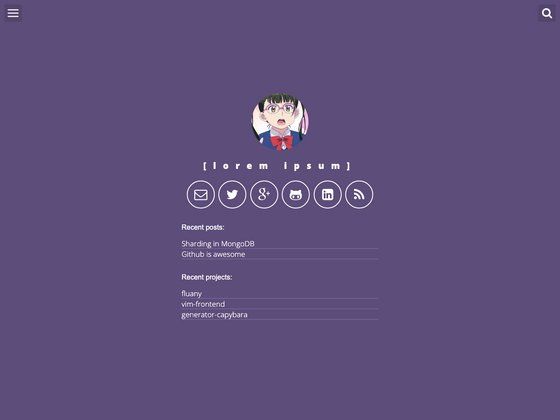
Minimal, clean Hugo theme for building fast, content-focused static blogs with social links, Disqus, and Google Analytics.
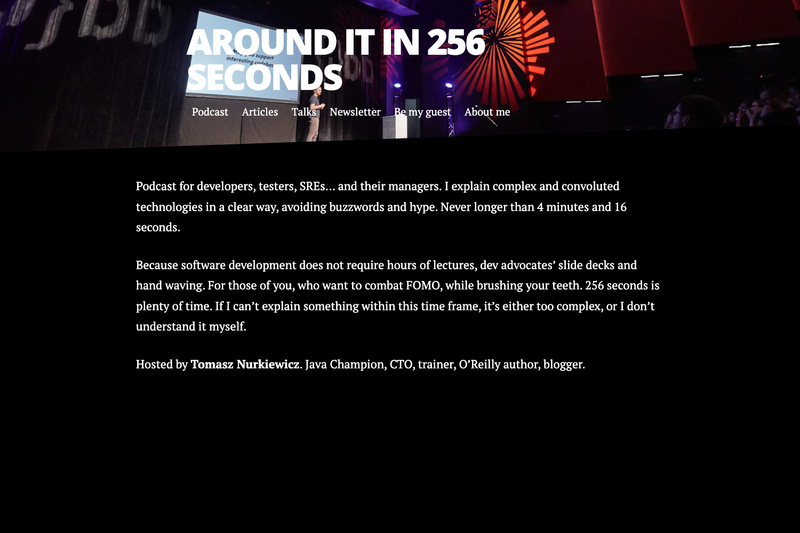
Open-source Jekyll blog and podcast site for Around IT in 256 seconds, using the Chirpy theme.
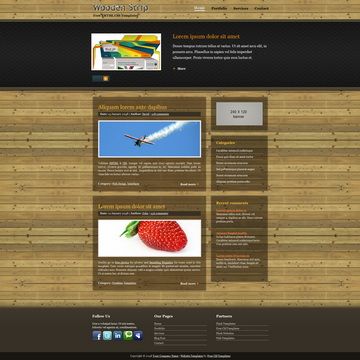
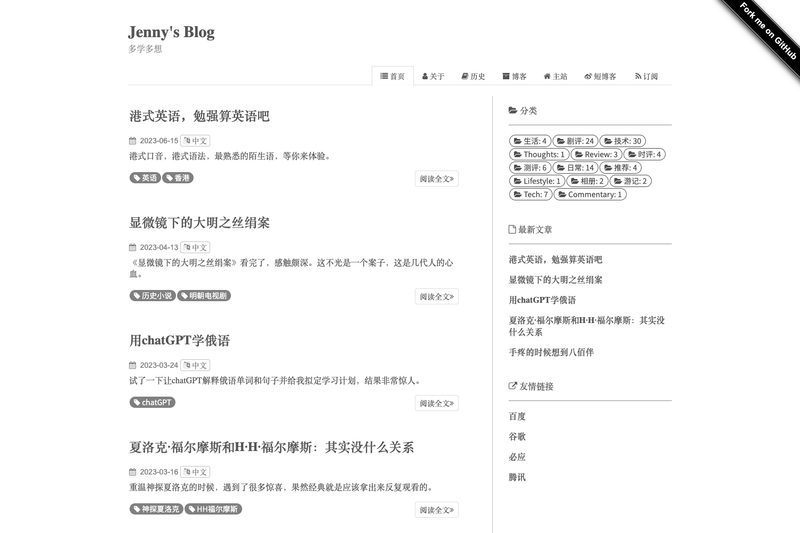
Wooden Strip is a full-site blog theme with 2-column style that can be used for any blogging platform.
Sustain is a Jekyll-based personal blog template built with Bootstrap and designed to be hosted for free on GitHub Pages. This open-source theme (MIT license) provides a simple static website with a home page, blog listing, post layout, and a projects page, all rendered from Markdown content by the Jekyll static site generator.
Sustain is a personal blog theme that runs on Jekyll, a static site generator written in Ruby, and styles its pages with the Bootstrap front-end framework. It takes Markdown posts and configuration from a _config.yml file and outputs a fully static HTML site ready to upload to GitHub Pages, Netlify, or any static host. The project is maintained by the jekyllt organization on GitHub and is released under the MIT License.
bundle exec jekyll serve, via Travis-CI with jekyll-travis, or deployed to Netlify with its free starter offer.Sustain is aimed at developers and writers who want a minimal, no-frills blog hosted on GitHub Pages without maintaining a separate content management system. It's also suitable for programmers who want to showcase their open-source projects on a dedicated projects page, and for hobbyists who want to learn Jekyll by studying a clean, working theme.
To run Sustain locally, clone the repository's master branch and execute bundle exec jekyll serve inside the directory. Jekyll generates a _site folder with the complete static website; upload the contents of that folder to a GitHub repository's master branch (for a personal page like username.github.io) or to the gh-pages branch (for a project page). The repository also includes a GitHub Actions workflow that automates building and pushing to gh-pages.
Sustain is free. It is released under the MIT License, and the source code is publicly available on GitHub with no paid tiers or premium features.
Yes, Sustain is completely free. It is released under the MIT License, which allows you to use, modify, and distribute the theme without payment, including in commercial projects.
You can use the included GitHub Actions workflow, which builds the site and pushes the resulting files to the gh-pages branch automatically. Alternatively, build locally with bundle exec jekyll serve and upload the generated _site folder to your repository.
The maintainers report that the install builds well with Ruby v2.6.3 and Jekyll v3.9.0. If you run into build issues with different versions, you can log them on the project's issue tracker.
Yes, Sustain includes a projects page template. The theme's screenshots show a dedicated layout for listing projects, which you can customize with your own project links and descriptions.