Template details
Pithy
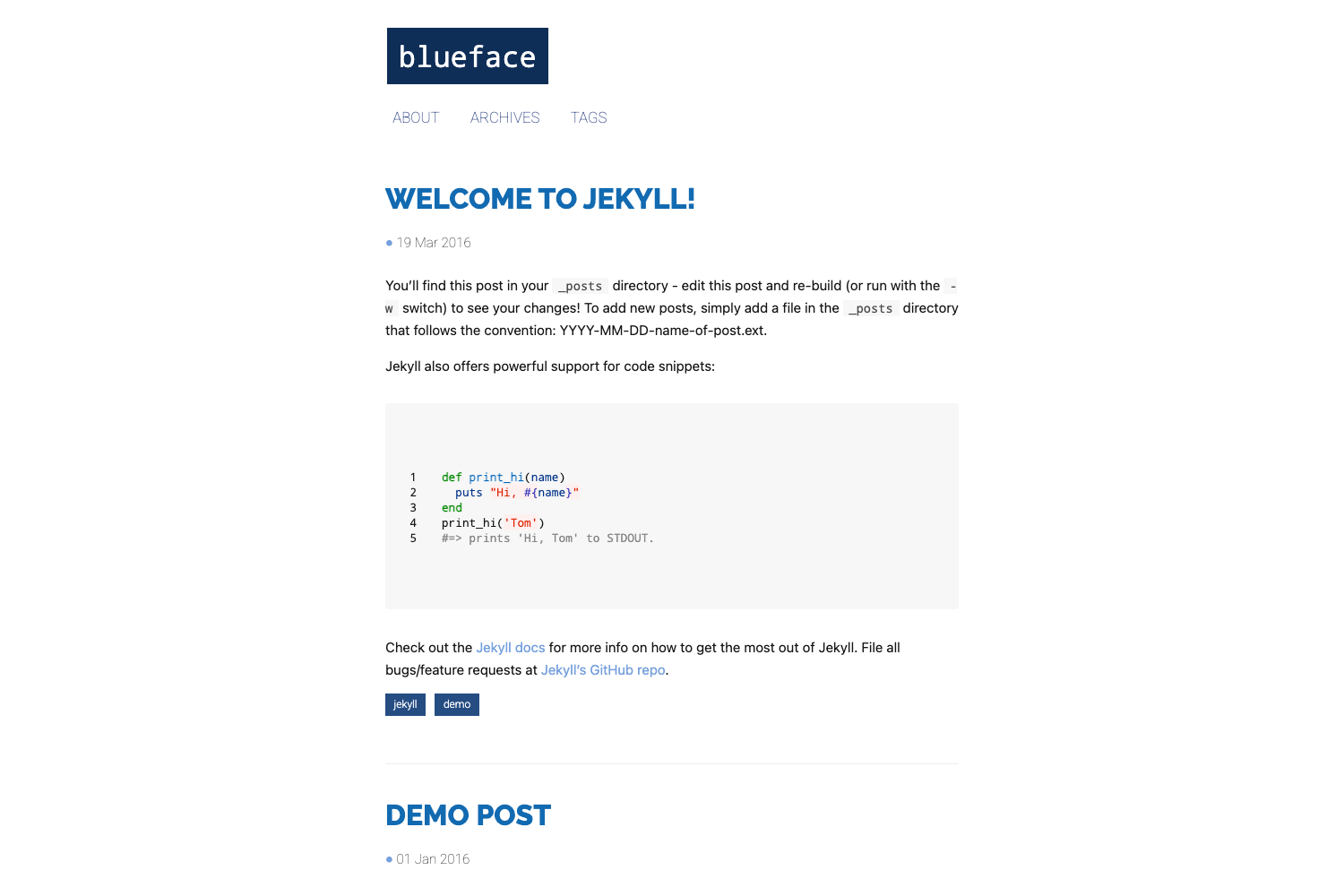
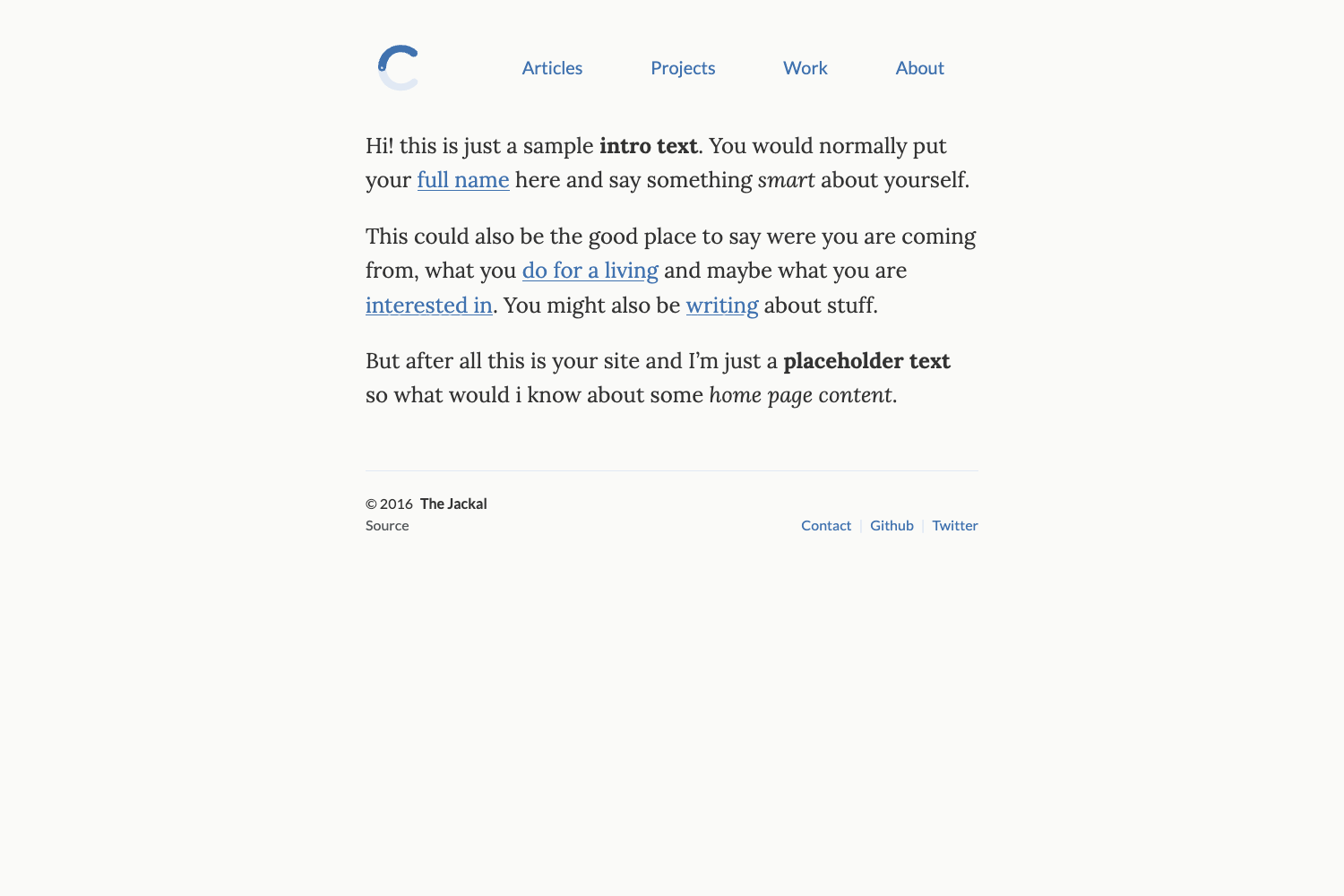
Free and open-source Jekyll blog theme built with Bootstrap, featuring a minimal design focused on content.
About this template
Pithy is a free, open-source Jekyll blog theme developed by guovz and built on the Bootstrap frontend framework. It takes Markdown blog posts and outputs a static website with a homepage, a list view, and individual article pages, all styled with a minimal design that prioritizes readability. The theme is released under the MIT License, and its source code is available on GitHub for anyone to clone and use.
What is Pithy?
Pithy is a free, open-source Jekyll blog theme built on Bootstrap, designed to showcase blog content with a minimal visual layout. It transforms Markdown posts into a clean, responsive static site, and is distributed under the MIT License.
Key Features
- Minimal design — The theme's stated goal is to let visitors focus on blog content, using a simple visual layout built on Bootstrap.
- Built with Bootstrap — The frontend uses the Bootstrap framework, making the theme responsive and easy to customize with standard Bootstrap classes and components.
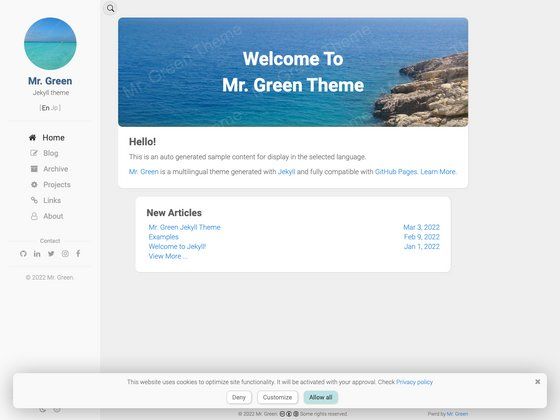
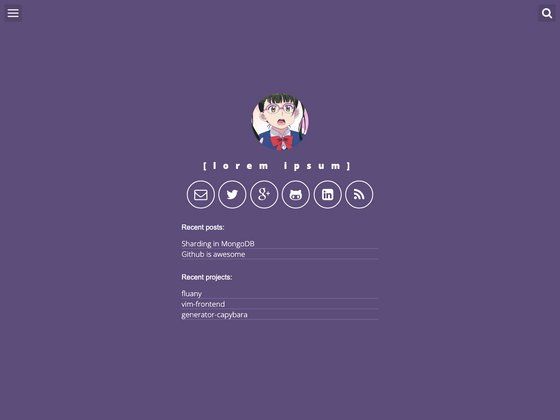
- Three main page layouts — Pithy includes a homepage (index), a post list view, and a single-post layout, each shown in the theme's documentation screenshots.
- Free and open source — The theme is free to use and is released under the MIT License, allowing modification and redistribution.
- GitHub-based workflow — You can clone the repository to create your own blog, report issues via GitHub Issues, and contribute suggestions back to the project.
- Power by pithy — The theme encourages users to keep a "power by pithy" credit and to star the repository as a token of support.
Who is Pithy for?
- Jekyll bloggers — Individuals who want a ready-made, minimal theme for their Jekyll-powered blog, without building the frontend from scratch.
- Developers — Those comfortable with Bootstrap and Jekyll who want a customizable base theme to extend or restyle.
- Content-focused writers — Bloggers who want their writing to be the centerpiece, with a design that stays out of the way.
What can you do with Pithy?
- Start a personal blog — Clone the repository, add your Markdown posts, and deploy your blog to GitHub Pages or any Jekyll-compatible hosting.
- Customize the look — Since it's built on Bootstrap, you can tweak styles using Bootstrap's classes and your own CSS.
- Use it as a learning resource — Study the theme's integration of Jekyll with Bootstrap to understand how a static blog theme is structured.
How does Pithy work?
Pithy works like any standard Jekyll theme: you clone the repository, add your Markdown posts to the appropriate folder, and run Jekyll to generate a static site. The theme structure includes the necessary templates and layouts for the homepage, list view, and article pages, so you can focus on writing content rather than frontend setup.
FAQ
Is Pithy free?
Yes, Pithy is completely free to use. It is released under the MIT License, so you can use, modify, and redistribute it without paying any fees.
What is Pithy built with?
Pithy is built on the Bootstrap frontend framework and integrates with the Jekyll static site generator. This combination gives you a responsive, mobile-friendly blog that is easy to customize.
How do I get support for Pithy?
The project encourages users to provide feedback through GitHub Issues. You can report bugs or suggest improvements by creating a new issue on the repository's issue tracker.
Does Pithy require a specific hosting provider?
No, because Pithy is a Jekyll theme, you can deploy the generated static site to any web hosting service that supports static files, including GitHub Pages, Netlify, or your own server.
Will Pithy remain free?
Since the theme is open source under the MIT License, it will remain free to use and modify for the foreseeable future.