Newsletter
Join the Community
Subscribe to our newsletter for the latest news and updates

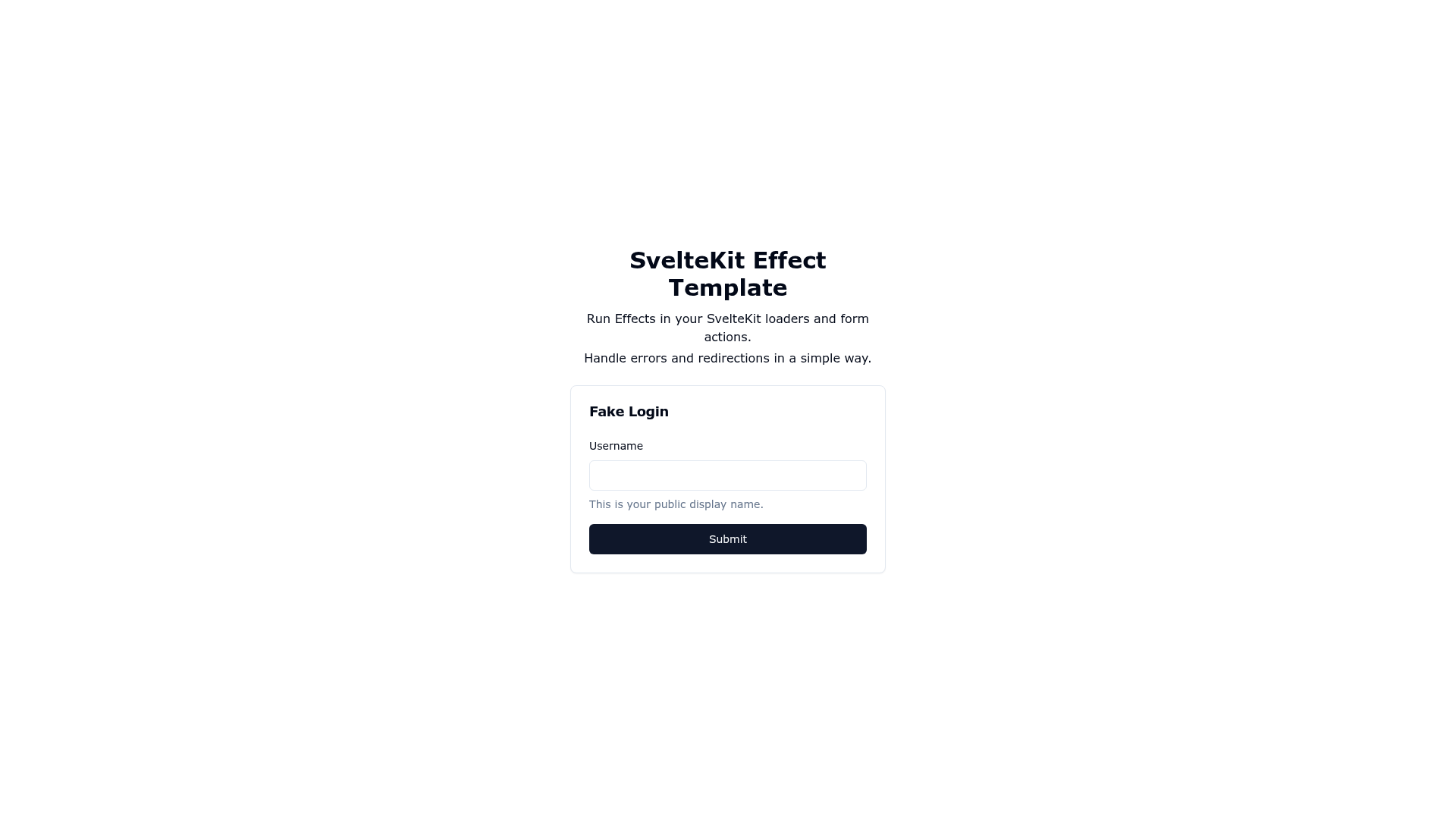
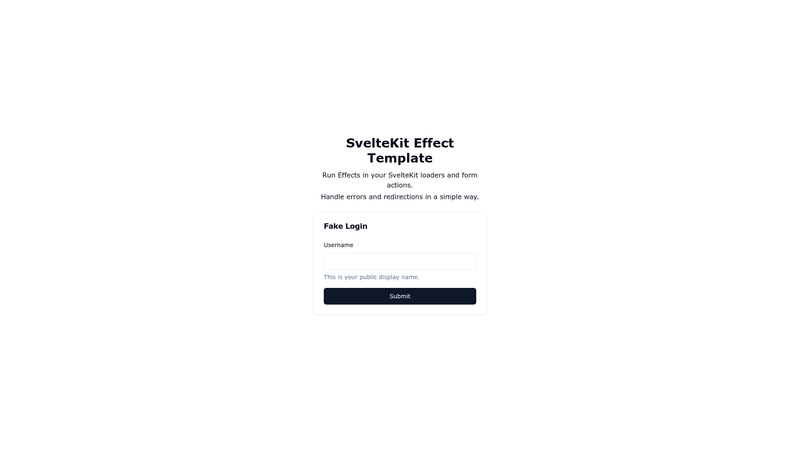
A template for integrating Sveltekit with Effect
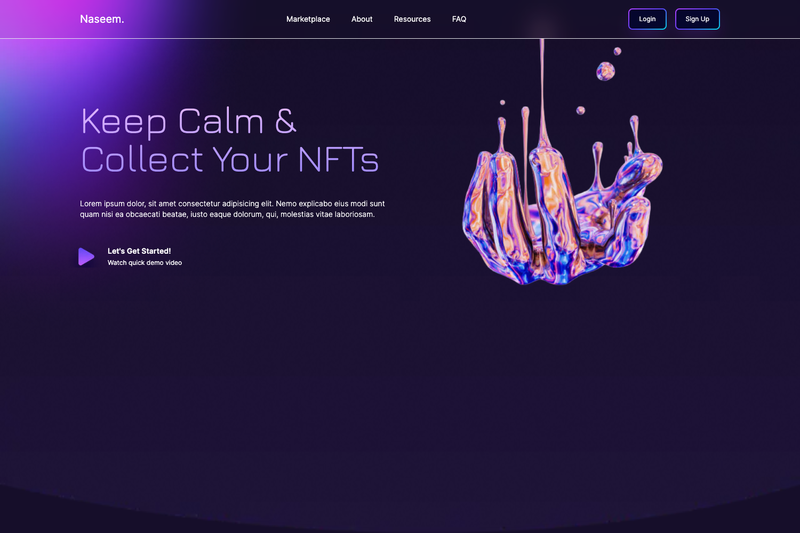
NFT design frontend built with Next.js, Tailwind CSS, and TypeScript.
Unmaintained full stack JavaScript boilerplate that currently contains only a placeholder project and website.
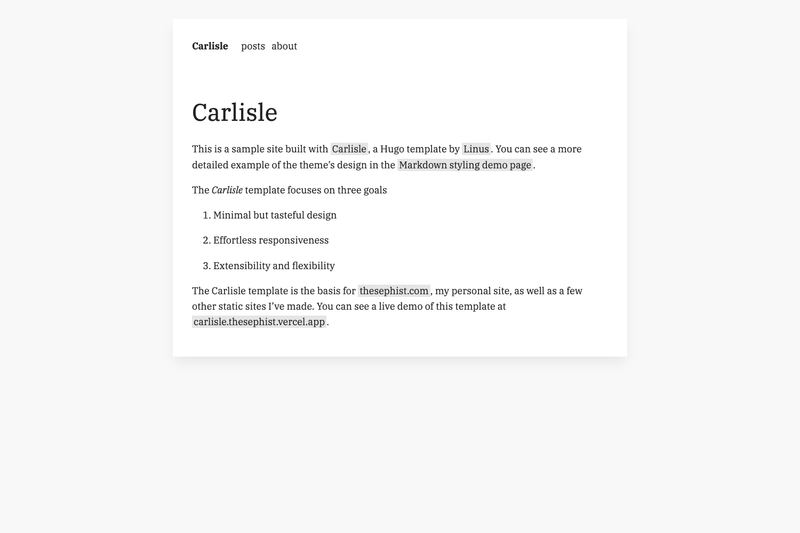
A minimal, open-source Hugo template for personal sites and blogs, used on thesephist.com and deployable on Vercel.

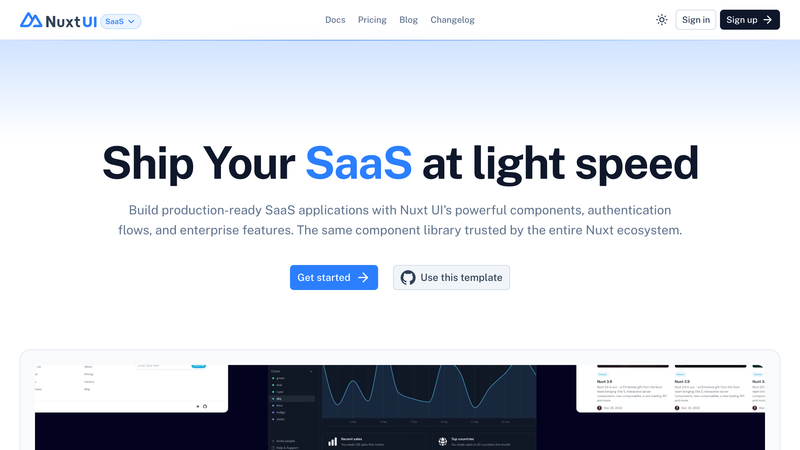
Open-source starter kit for building full-stack multi-tenant SaaS platforms with Next.js, Tailwind, and Prisma.
SvelteKit Effect Template is a boilerplate that integrates the Effect TypeScript library with SvelteKit, offering two helper functions to run Effect programs on the server and map their success or failure to SvelteKit loader and action responses.
SvelteKit Effect Template is a starter repository that shows how to run Effect programs inside SvelteKit load functions and form actions. Its core function is the pair of helpers runLoader and runAction, which accept an Effect and convert the result or error into the response shape SvelteKit expects. The template runs on SvelteKit, the full-stack framework built on Svelte, and uses Effect for typed, structured error handling and effectful computations. The repository is authored as an open-source example for developers who want to adopt Effect in a SvelteKit project.
runLoader helper — Runs an Effect inside a SvelteKit load function and maps the Effect result to a loader response, including error handling.runAction helper — Runs an Effect inside a SvelteKit form action and maps the output to an action response, matching the shape SvelteKit actions expect.SvelteKit Effect Template is aimed at SvelteKit developers who want to use the Effect library for typed errors, dependency injection, and effects-based concurrency on the server. It is also a learning resource for teams evaluating Effect: you can clone it, run npm install, and inspect the two helper functions to see how they bridge Effect and SvelteKit's data loaders. Finally, it suits developers who already build forms with SvelteKit Superforms and want to keep the validation logic inside Effect programs.
runLoader and runAction, and get typed errors propagating to the UI.npm install to fetch dependencies (SvelteKit, Effect, Superforms, Flash Message, Shadcn Svelte).npm run dev to start the development server.The runLoader and runAction functions live in the server utilities; they execute an Effect and translate the Exit result into a SvelteKit response, letting you keep the Effect Effect type in your load and action handlers.
Yes. The repository is a public GitHub template, so you can clone and use it in your own projects without licensing fees.
The template lists SvelteKit, Effect, SvelteKit Superforms, SvelteKit Flash Message, and Shadcn Svelte. These are the core dependencies that make the effect integration and form handling work.
runLoader and runAction?runLoader is designed for SvelteKit load functions that run before a page renders, while runAction is for form actions that handle server-side mutations. Both take an Effect and convert its success or error into a SvelteKit response object.
Basic familiarity with Effect helps, but the template is intentionally minimal. You can see how runLoader and runAction are implemented in the source and copy the pattern into your own code without deep Effect expertise.