Newsletter
Join the Community
Subscribe to our newsletter for the latest news and updates

A CMS integrated static blog template built with Astro, featuring OAuth content management, blog, projects, timeline, diary, and albums.
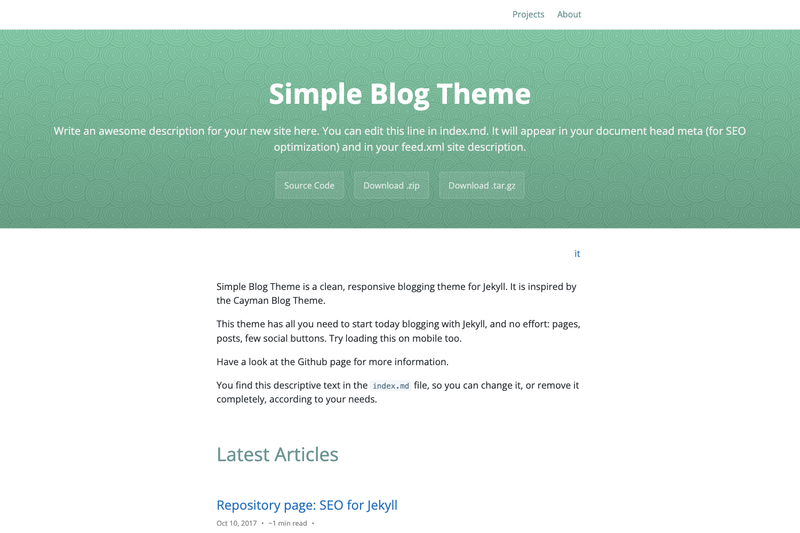
Simple Blog Theme is a clean, responsive blogging theme for Jekyll and GitLab/GitHub Pages.
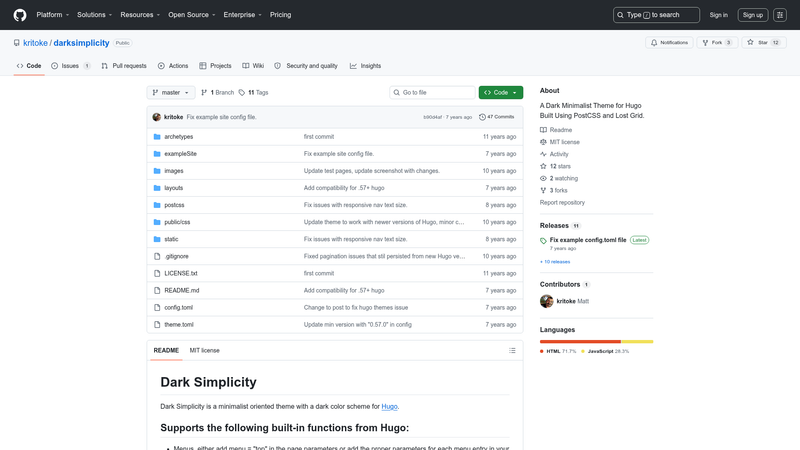
A dark minimalist Hugo theme built with PostCSS, featuring pagination, tags, Google Analytics, and Disqus support.
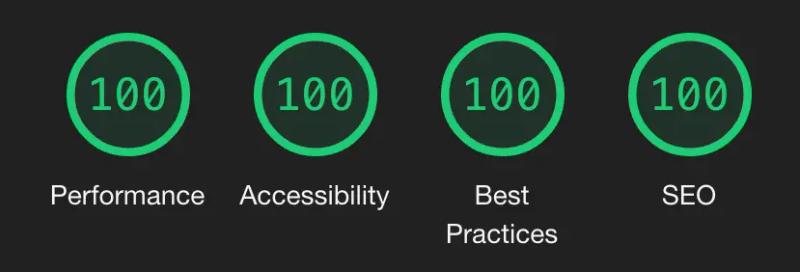
A free, fast Hugo theme based on Bear Blog, with no JS, multilingual support, and a focus on accessibility.
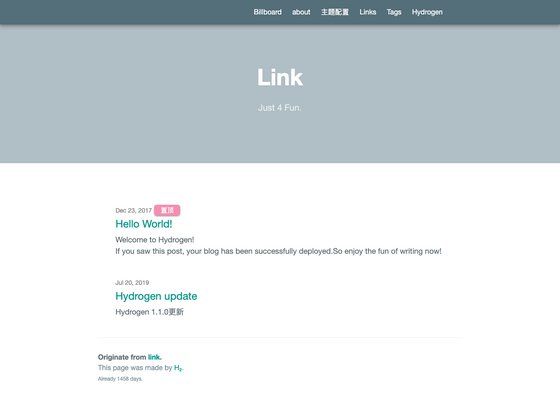
A lightweight, clean Jekyll theme for GitHub Pages, focused on fast loading and a minimal reading experience.
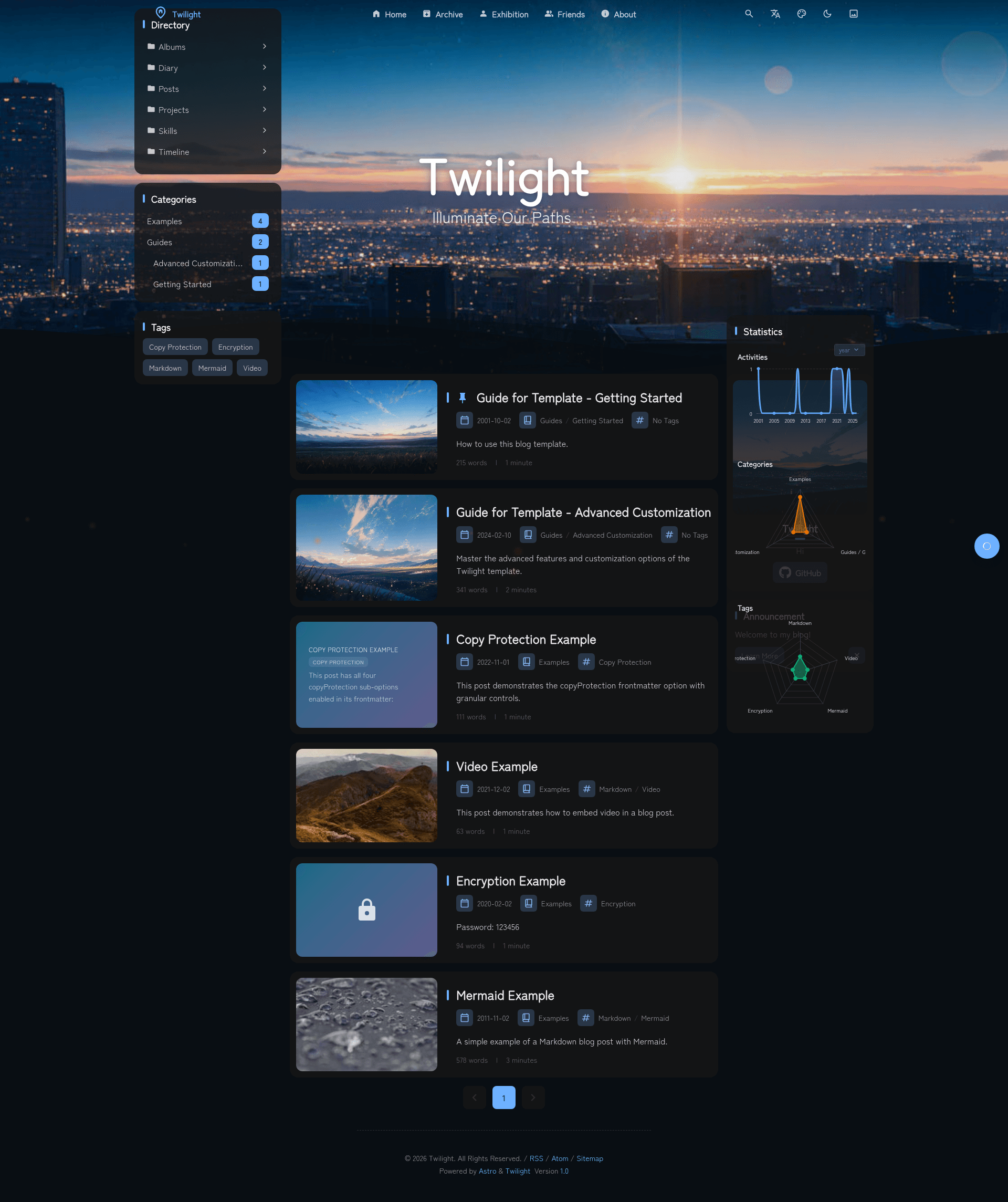
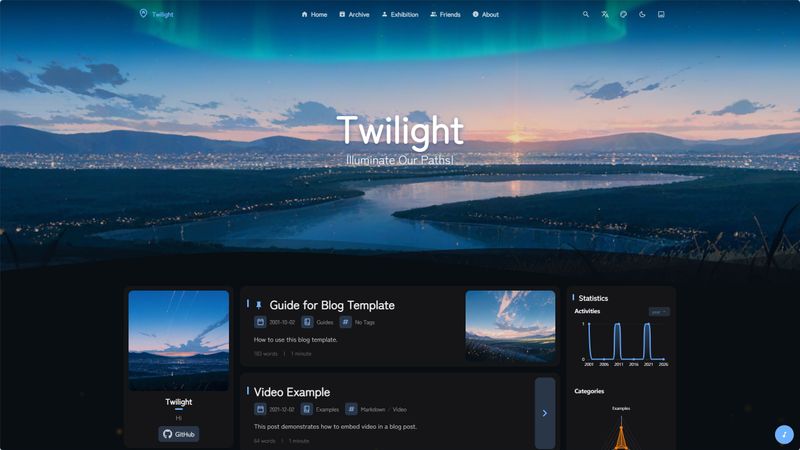
Twilight is an open-source, CMS-integrated static blog template built on the Astro framework that produces a fast static site while letting you manage content through a headless CMS with OAuth login.
Twilight is a static blog template for Astro that combines a headless CMS with OAuth authentication for content management. It takes configuration from twilight.config.yaml and content from src/content, then builds a fully static site into ./dist/ using pnpm build. The template is created by Spr-Aachen and is based on the Fuwari prototype, with design inspiration from Yukina and Mizuki. It is available on GitHub and has earned 312 stars.
After cloning the repository, install dependencies with pnpm install, then customize twilight.config.yaml and add content under src/content. Start development with pnpm dev, create new posts with pnpm new-post filename, and build the static site with pnpm build. Deployment targets any static host, with dedicated adapters for Cloudflare, Netlify, Vercel, and EdgeOne.
Yes. Twilight integrates a headless CMS with OAuth authentication, so you can manage posts and other content without directly editing files—though the template also supports editing content in src/content directly.
Yes. The template supports multiple deployment adapters including Cloudflare, Netlify, Vercel, and EdgeOne, and can be deployed to any static hosting platform.
Twilight integrates both Waline and Twikoo comment systems, so you can choose one and enable comments on your posts.
Use the command pnpm new-post filename from the project root to scaffold a new post, then edit the generated Markdown file under src/content.