Newsletter
Join the Community
Subscribe to our newsletter for the latest news and updates

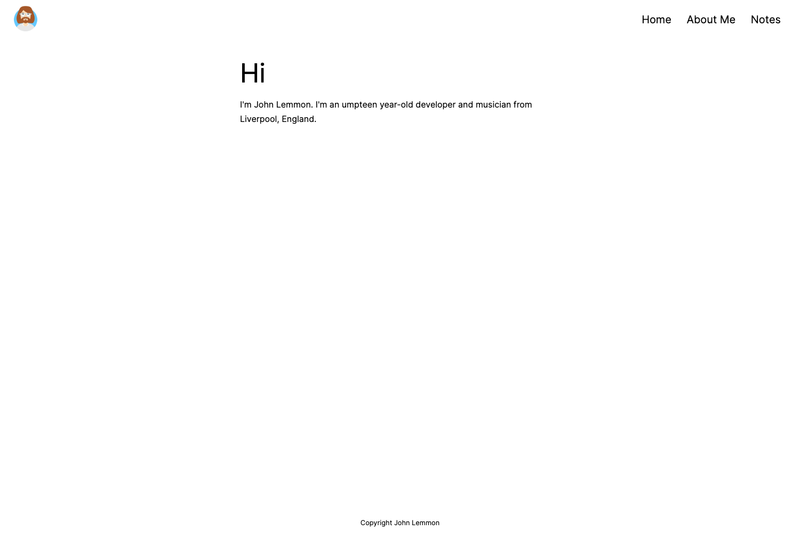
A minimal purple Jekyll blog template with Sass styling, no JavaScript, and Travis CI integration.
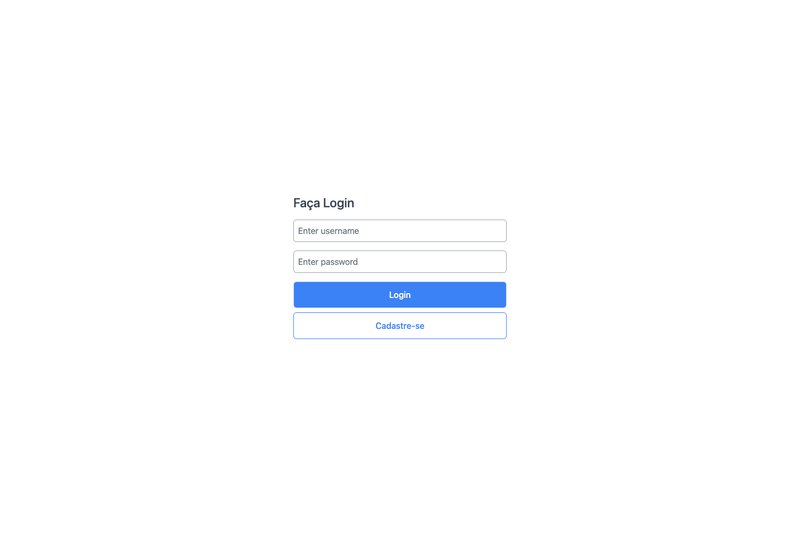
JWT authentication boilerplate for Nuxt 3 with MongoDB, Prisma, Tailwind, and VeeValidate.
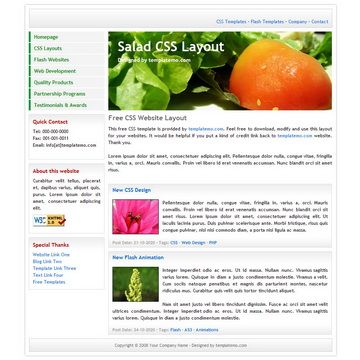
Salad is free web template, 2-column CSS layout with a vertical menu.

ZigZag uses diagonal background layers to make attractive design. ZigZag is suitable for websites with minimal contents.

Next.js starter that uses Vercel Blob for image uploads and storage, styled with Tailwind CSS.
Violet is a purple Jekyll blog template that generates a static site from Markdown content and a config file, created and maintained by Sérgio Kopplin.
Violet is a Jekyll theme that lives on GitHub and is distributed under the MIT License. It combines Jekyll as the site generator with Sass for styling, and it deliberately ships with zero JavaScript. The template takes your Markdown posts and a _config.yml file as input and outputs a complete static website ready to deploy. Its demo is hosted at sergiokopplin.github.io/violet, and the repository includes Travis CI configuration to run build tests automatically.
_config.yml — Site name, bio, and other options are set through a single YAML config file; the README shows examples like name: Jane Doe and bio: 'A Girl who travels the world eating noodles'.bundle exec htmlproofer ./_site to validate links and HTML output._config.yml, then running bundle install and bundle exec jekyll serve.Violet is aimed at Jekyll users who want a colorful, minimal blog theme without pulling in a JavaScript framework. Developers who prefer static site generators will find it easy to fork and customize. Bloggers and personal site owners can set up a working site in a few commands. The no-JS approach also suits anyone who values simplicity and fast page loads.
The README documents a five-step setup: star and fork the repository on GitHub, install Jekyll, NodeJS, and Bundler locally, edit _config.yml with your name, bio, and other data, install dependencies with bundle install, then serve the site with bundle exec jekyll serve and view it at http://localhost:4000. For production, the generated _site folder can be deployed to any static host.
Yes, Violet is released under the MIT License, so you can use, modify, and redistribute it freely.
No, the template explicitly includes no JavaScript files. All interactivity is absent, which keeps the theme lightweight.
Open the _config.yml file at the project root and change the name, bio, and other YAML keys. The README shows sample values.
After building the site, run bundle exec htmlproofer ./_site from the project directory to check for broken links and invalid HTML.
Open an issue on the GitHub repository with your problem description.