Newsletter
Join the Community
Subscribe to our newsletter for the latest news and updates

Node.js static site generator for Brunch with Nunjucks templates and YAML front matter.
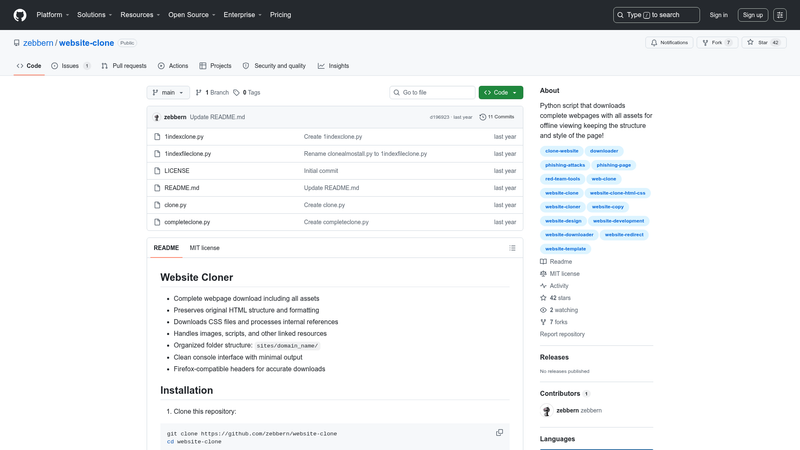
Python script that downloads complete webpages with all assets for offline viewing, preserving structure and style.
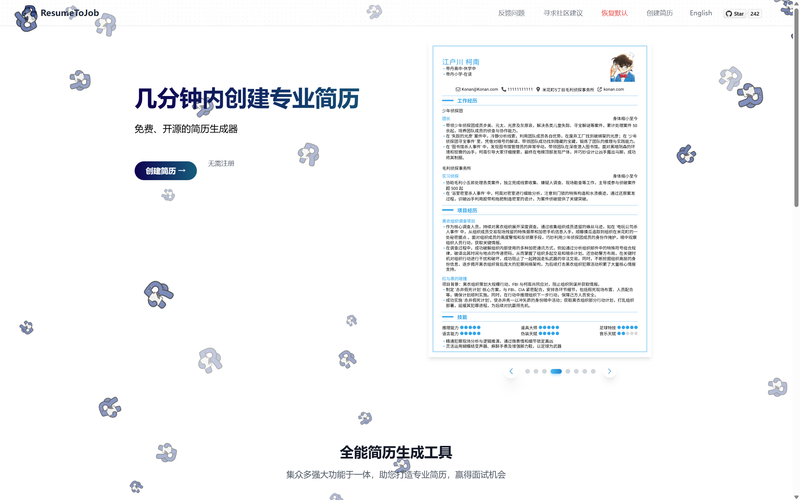
Free open-source online resume builder with Markdown support, PDF export, and browser-local data storage.
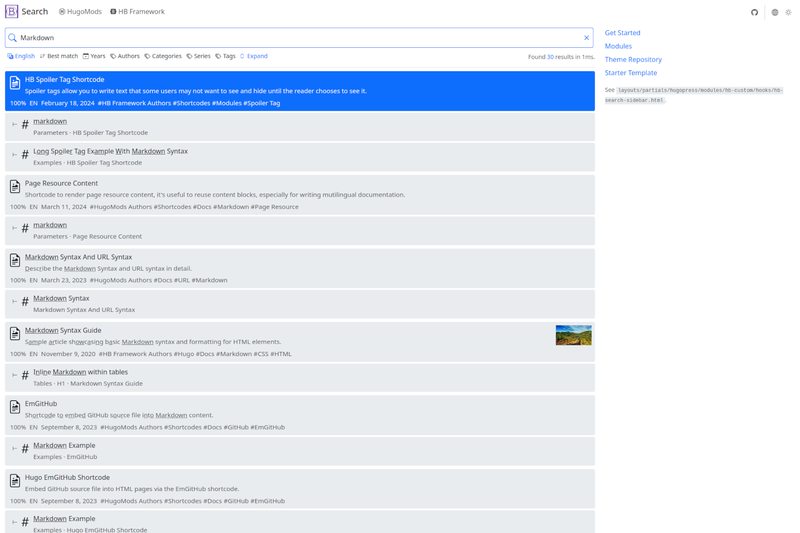
The HB search theme adds search functionality to Hugo sites built with the HB framework.
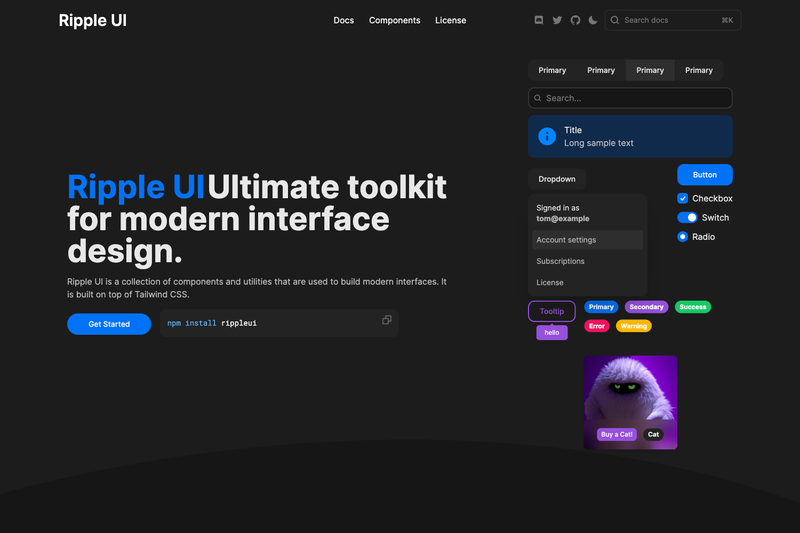
A Tailwind CSS plugin providing over 30 ready-to-use UI components, from buttons to modals, styled with simple class names.
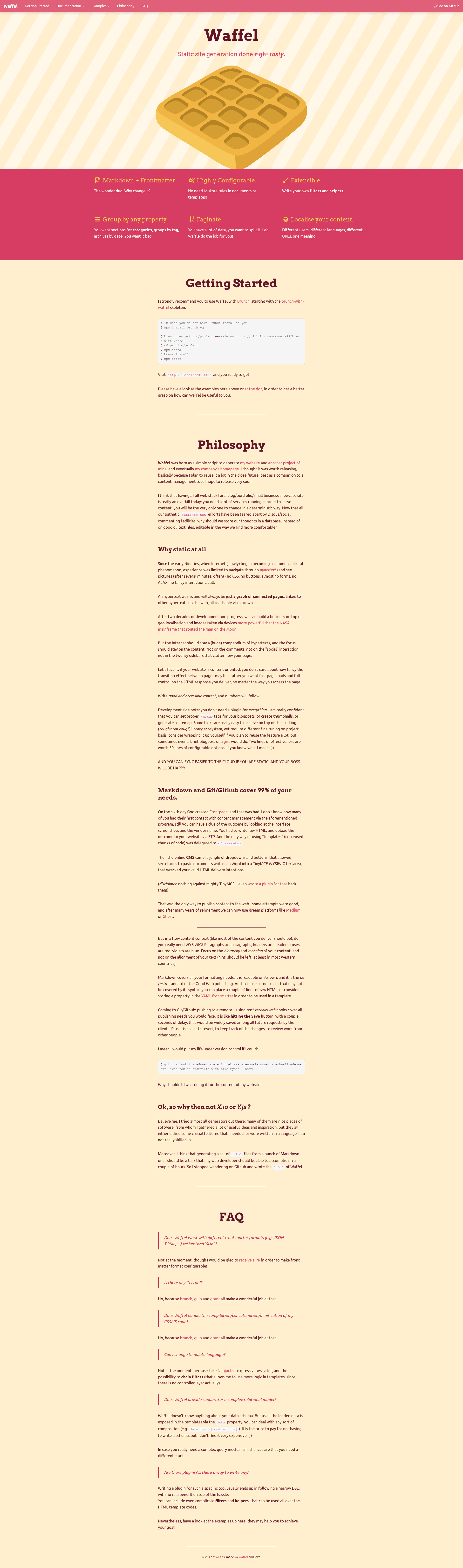
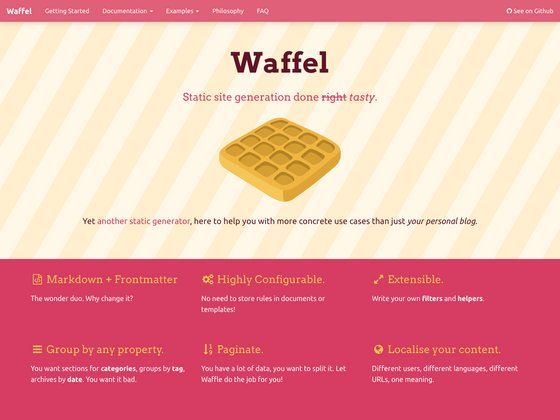
Waffel is a Node.js static site generator built to sit on top of build tools like Brunch, Gulp, or Grunt, turning content files with YAML front matter into static HTML via Nunjucks templates.
Waffel is a static site generator for Node.js that pairs with the Brunch build tool to render Nunjucks templates into static HTML. It reads content files with YAML front matter, exposes all loaded data to templates through a data property, and outputs a complete static site without requiring a database or server. The project is created by Diego Caponera and released under the MIT License.
brunch new with that skeleton, then npm install and bower install, and start a local server at localhost:3333.data property, allowing arbitrary composition like data.users[post.author] without defining a schema.The recommended onboarding is: install Brunch globally, run brunch new with the brunch-with-waffel skeleton, install npm and Bower dependencies, then npm start and visit http://localhost:3333. Waffel reads YAML front matter from content files, makes the data available to Nunjucks templates, and outputs static HTML through the Brunch pipeline.
No, at the moment Waffel only supports YAML front matter. The author states they would accept a pull request to make the front matter format configurable.
No. The author deliberately avoids a CLI because Brunch, Gulp, and Grunt already handle the build workflow.
No. Waffel leaves asset compilation, concatenation, and minification to Brunch, Gulp, or Grunt.
Not at the moment. Waffel is tied to Nunjucks because of its expressiveness and filter chaining, though no extension point is described for swapping templating engines.
Waffel does not define a data schema. It exposes all loaded data through the data property, so you can manually compose related items. The author notes that if you need complex query mechanisms, a different stack might be necessary.