Newsletter
Join the Community
Subscribe to our newsletter for the latest news and updates

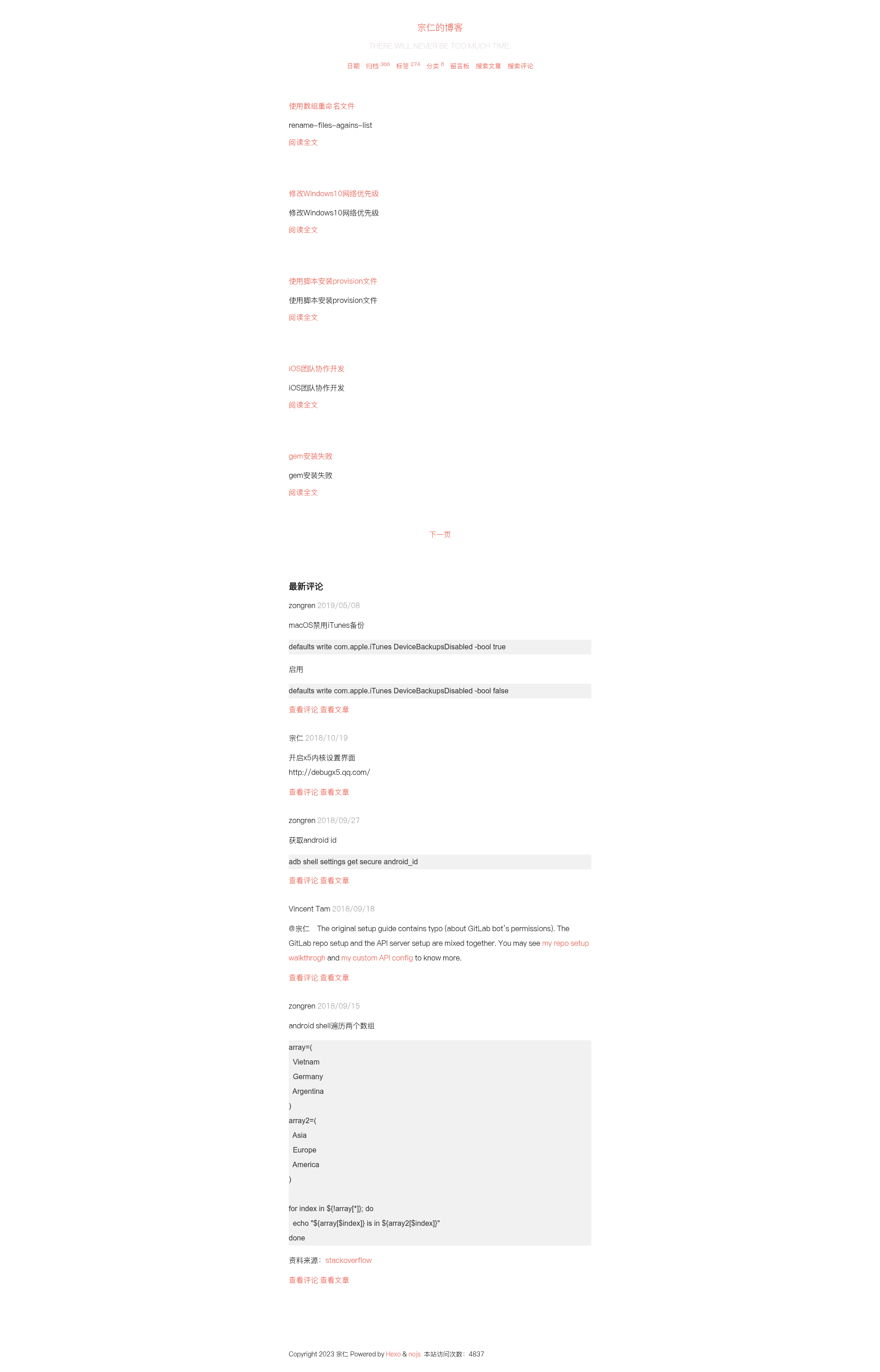
A GitLab Pages repository for Chinese webfonts used in a Hexo blog, automated with font-spider.
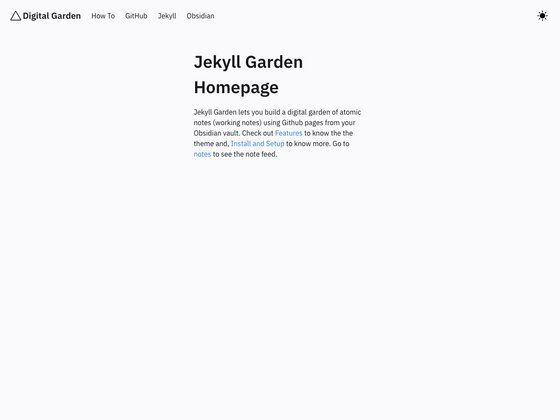
A Jekyll theme that turns Obsidian notes into a connected website with wiki-links, backlinks, search, and math support.

A light and beautiful blog-style template for Jekyll with a demo and GitHub Pages deployment.
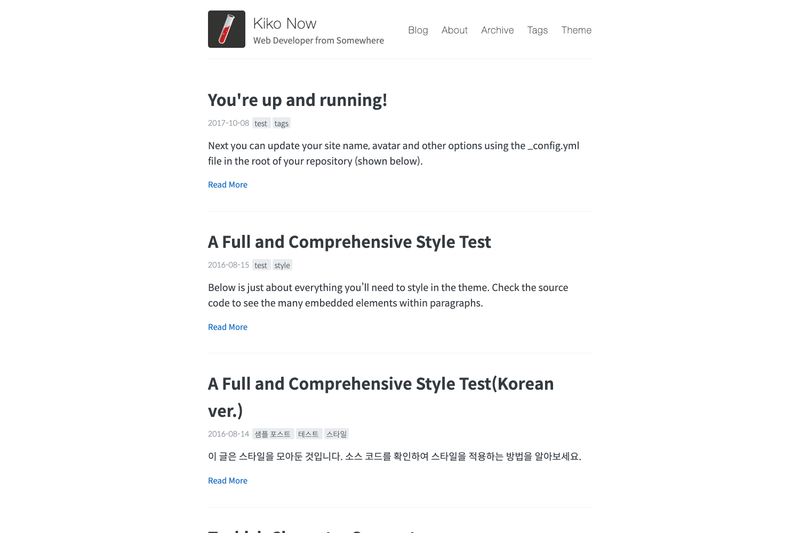
A free Jekyll theme with a Medium-inspired design for blogs, created by Sal at wowthemes.net.
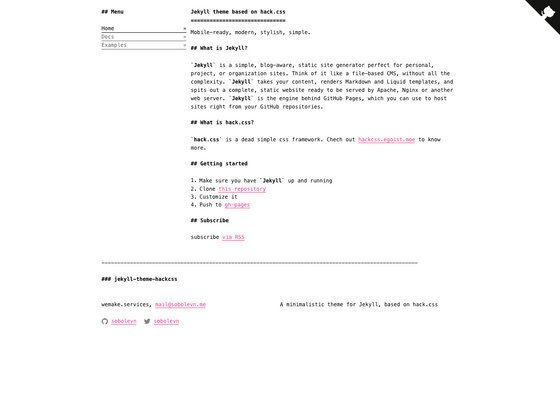
A minimal Jekyll theme built on the Hack CSS framework, with three configurable modes: Markdown, Standard, and Dark.
Build a Jekyll blog in minutes, without touching the command line.
Zongren Blog Fonts is a GitLab Pages repository that stores and processes Chinese webfonts for a Hexo blog, using font-spider to generate subsetted font files.
Zongren Blog Fonts is a public repository hosted at zongren.gitlab.io that serves Chinese fonts for a personal blog built with Hexo. The repository contains the font files themselves along with a .gitlab-ci.yml script that automates font subsetting through font-spider, a tool that scans HTML pages and keeps only the glyphs actually used. The set is designed for use with the hexo-theme-nojs theme, which avoids client-side JavaScript for rendering. With 140 stars on GitLab, the repository demonstrates a practical approach to self-hosting Chinese typefaces in a static site. Chinese font files are often several megabytes because of the large number of characters, so subsetting is essential for acceptable page load times. By keeping only the characters used in blog posts, the webfont size is drastically reduced.
The .gitlab-ci.yml script defines the build process. It presumably runs font-spider against the blog's HTML output, which scans for Chinese characters used in the pages and generates a smaller webfont. The resulting font is then served from GitLab Pages. The repository page instructs users to reference this script for usage details, so the CI configuration is the core deliverable. The process is likely triggered on each push to the repository, ensuring that as blog posts are written and new characters appear, the subsetted fonts are regenerated automatically.
Yes, the repository is public on GitLab, so the fonts and scripts can be freely used and adapted for personal or commercial projects.
The primary tool is font-spider (https://github.com/aui/font-spider), an open-source font subsetting utility. It is invoked in the GitLab CI script.
While font-spider is agnostic to the site generator, the repository's topics and the hexo-theme-nojs reference suggest it was built specifically for Hexo. You could adapt the approach to other static sites.
Cloning the repository and referencing its CI script is the recommended way. The page states that usage details are in the .gitlab-ci.yml file.