Newsletter
Join the Community
Subscribe to our newsletter for the latest news and updates

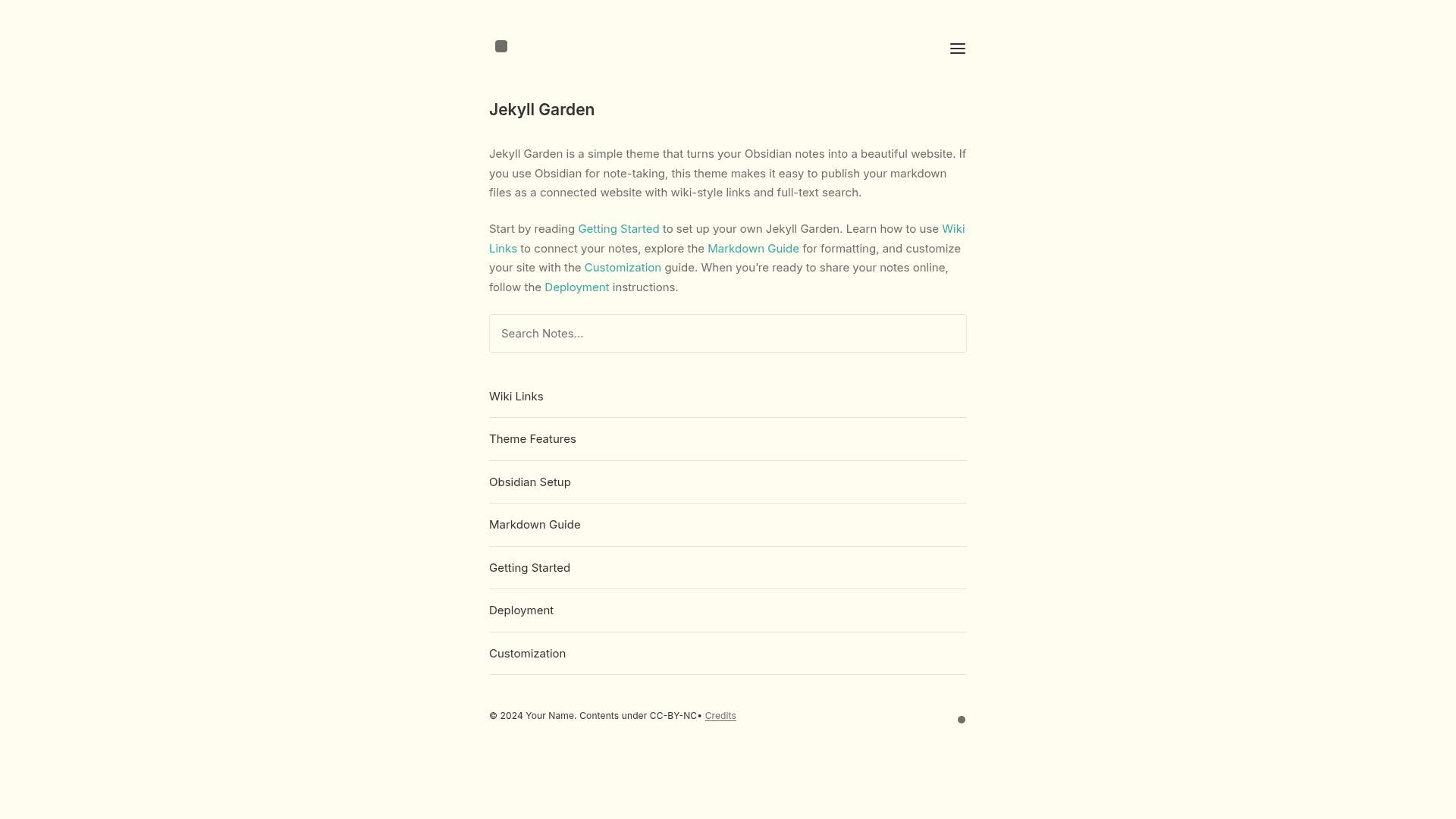
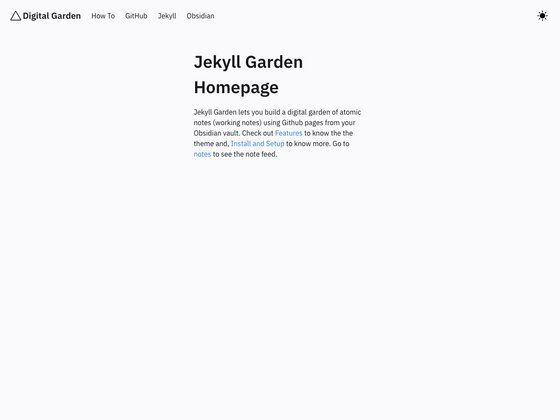
A Jekyll theme that turns Obsidian notes into a connected website with wiki-links, backlinks, search, and math support.
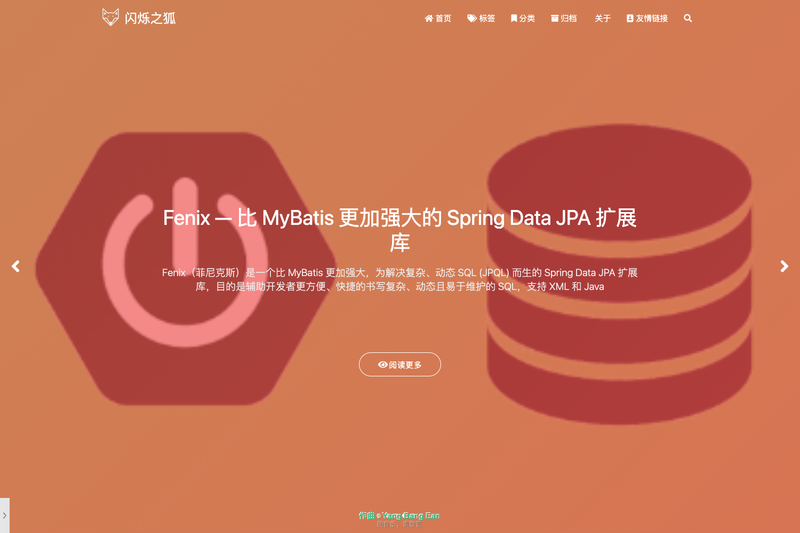
A Material Design Hexo blog theme with responsive layout, carousel posts, tag cloud, radar chart, and multiple comment integrations.
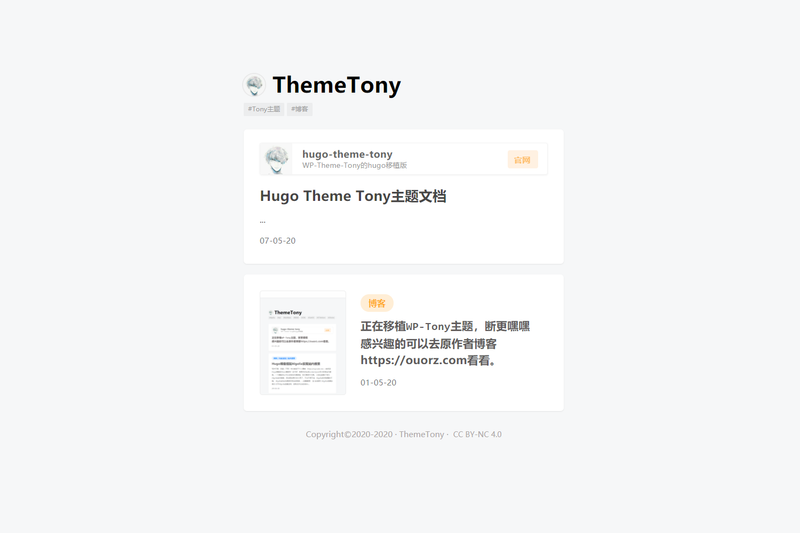
A Hugo blog theme based on WordPress Theme Tony, featuring Bootstrap, Valine comments, and a reading bar.

A clean, elegant Hugo blog theme with dark mode, Algolia search, and support for Giscus, Disqus, and Twikoo comments.

A light and beautiful blog-style template for Jekyll with a demo and GitHub Pages deployment.
Jekyll Garden is a Jekyll theme that transforms Obsidian-style markdown notes into a static website featuring wiki-style links, backlinks, full-text search, and LaTeX math rendering.
Jekyll Garden is an open-source Jekyll theme designed to publish notes written in Obsidian as a connected, navigable website. It takes markdown files stored in the _notes folder that use Obsidian's [[note title]] linking syntax and outputs a static site with hover previews, backlinks, and a live search index. The theme runs on Jekyll, so it works with GitHub Pages, Netlify, or any static hosting service, and is released under the MIT License.
[[note title]] in any markdown note and Jekyll Garden generates automatic links with a hover preview of the target note, mirroring Obsidian's behavior.$x = y$ and display equations using $$...$$ are rendered correctly, useful for technical or academic notes.url and baseurl fields in _config.yml.Jekyll Garden is for Obsidian users who want to share their notes publicly without manually copying content into a separate CMS. It also suits knowledge management enthusiasts who want a free, self-hosted digital garden, and for bloggers who prefer markdown and static site generation over database-driven platforms. Developers comfortable with Jekyll can extend the theme's _layouts/ and CSS to customize the design.
[[note title]] just like in Obsidian.Getting started involves downloading the theme, editing _config.yml with your site title and URL, and placing markdown files with YAML front matter (like a title and date) into the _notes folder. The theme then builds all links and backlinks automatically from the [[note title]] syntax. You can test locally by running bundle install and bundle exec jekyll serve, or deploy directly to GitHub Pages or Netlify, where the site rebuilds automatically when you push updates.
Yes. Jekyll Garden is open source under the MIT License, so you can use it for any project, personal or commercial, without paying licensing fees. Hosting on GitHub Pages or Netlify is also free for public repositories, though private repositories may incur charges on some platforms.
Jekyll Garden is designed for Obsidian notes specifically. It reads the same [[note title]] link format and displays backlinks similarly, so if you already use Obsidian, you can keep your markdown files and publish them with this theme without converting anything.
Since notes are plain markdown, you can embed images using standard markdown syntax. The theme does not require any special image handling, but you will need to store image files in an accessible location, such as an assets folder or an external URL, and reference them from your notes.
The documentation focuses on note linking and backlinks; tags and categories are not explicitly mentioned. If you need taxonomies, you would likely add them via Jekyll's built-in features or a plugin, but the default theme only guarantees wiki-links, search, and blog posts as described.
You can edit assets/css/style.css to change colors, fonts, and visual styles, or modify files in the _layouts/ folder to adjust the HTML structure of pages. The theme is designed to be simple, so custom CSS and JavaScript can be added as needed.