Newsletter
Join the Community
Subscribe to our newsletter for the latest news and updates

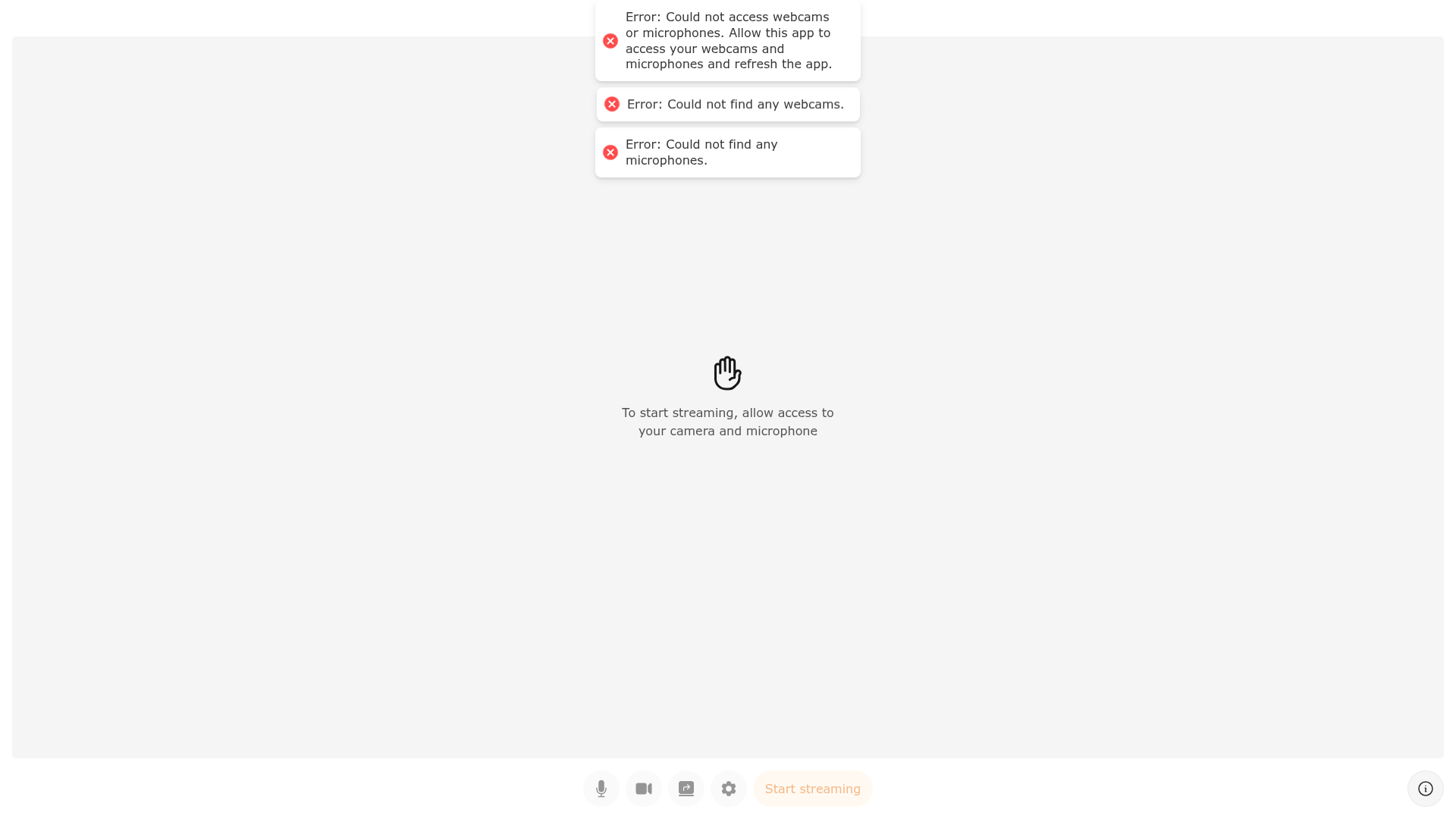
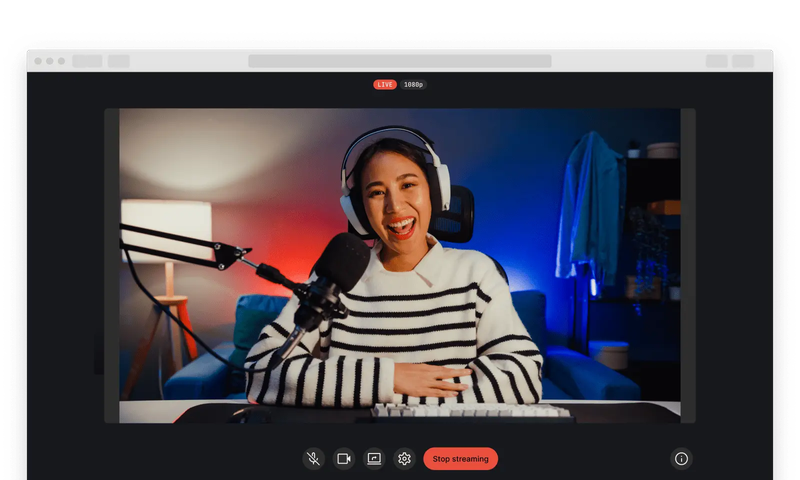
Open-source Next.js demo that publishes browser camera and mic to an Amazon IVS channel via the IVS Web Broadcast SDK.
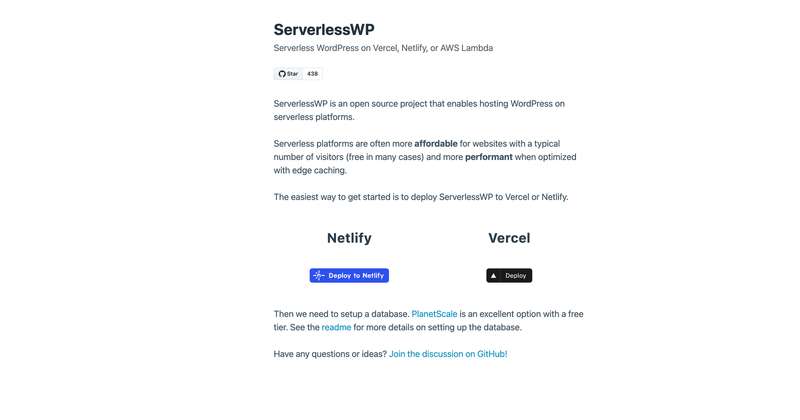
Open-source template that runs WordPress in serverless functions on Vercel, Netlify, or AWS Lambda, with a SQLite database stored in Vercel Blob or S3.
The Amazon IVS Broadcast Web Demo is an open-source Next.js sample application from AWS that streams camera and microphone video from a desktop browser to an Amazon IVS channel using the Amazon IVS Web Broadcast SDK.
It is an educational web application that demonstrates building a browser-based live streaming tool with the Amazon IVS Web Broadcast SDK. You enter your IVS channel's ingest endpoint and stream key on the settings screen, then publish video captured by the browser directly to that channel. The project is published by AWS as a sample under the MIT-0 license, runs locally on NodeJS with the Yarn package manager, and is explicitly labeled as demonstration code rather than production software. A hosted version is available at stream.ivs.rocks for quick testing.
yarn run dev after yarn install.tailwind.config.js, so rebranding means editing one config file.utils/BroadcastLayoutTemplates.js and support math expressions inside template strings using CANVAS_WIDTH, CANVAS_HEIGHT, LAYER_WIDTH, and LAYER_HEIGHT.utils/BroadcastLayoutTemplates.js to build your own canvas compositions.tailwind.config.js to recolor the whole interface.yarn install, then yarn run dev to start the app locally.Yes. The code is released under the MIT-0 License, so you can fork, modify, and redistribute it at no cost. Note that the Amazon IVS service itself is a paid AWS product, so streaming to a channel incurs standard IVS charges.
No. The README states the project is intended for education purposes only and not for production usage. It is a reference implementation for learning the Web Broadcast SDK, not a hardened streaming product with the operational safeguards a live service would need.
Only the latest desktop versions of Chrome and Firefox are officially tested and supported. Mobile browsers and smartphones may work but are not supported, so plan a separate mobile capture path if you need one.
NodeJS, the Yarn package manager, and your IVS channel details, meaning the ingest endpoint and stream key found in the IVS console. Then run yarn install followed by yarn run dev to launch the app.
Edit utils/BroadcastLayoutTemplates.js to change existing layouts or add new ones. The template strings accept math expressions using CANVAS_WIDTH, CANVAS_HEIGHT, LAYER_WIDTH, and LAYER_HEIGHT, which lets you position and size layers relative to the output canvas.