Newsletter
Join the Community
Subscribe to our newsletter for the latest news and updates

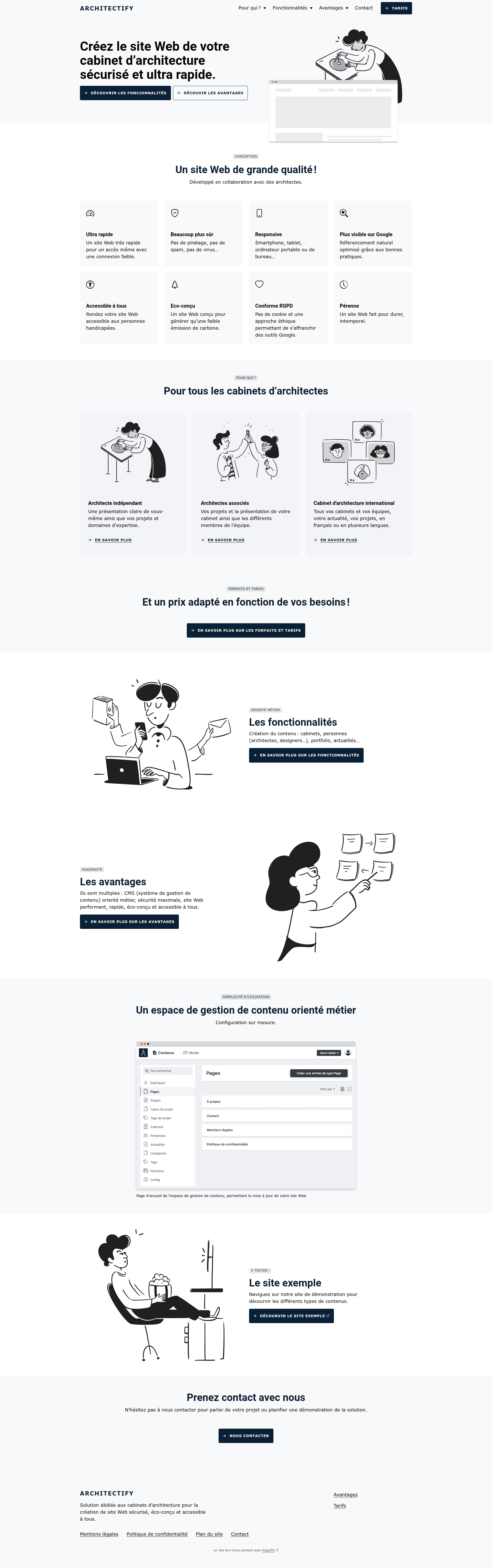
A Hugo template for architecture websites, built on Hugolify with Bootstrap and Netlify deployment.
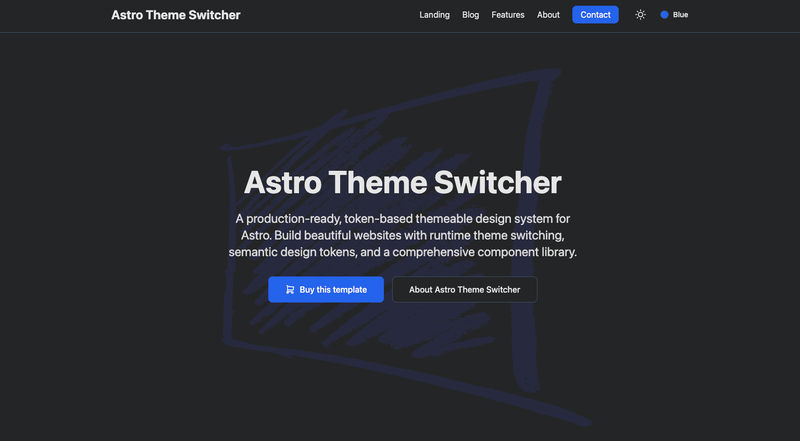
An open-source, token-based themeable design system for Astro with runtime theme switching, semantic design tokens, and a component library.
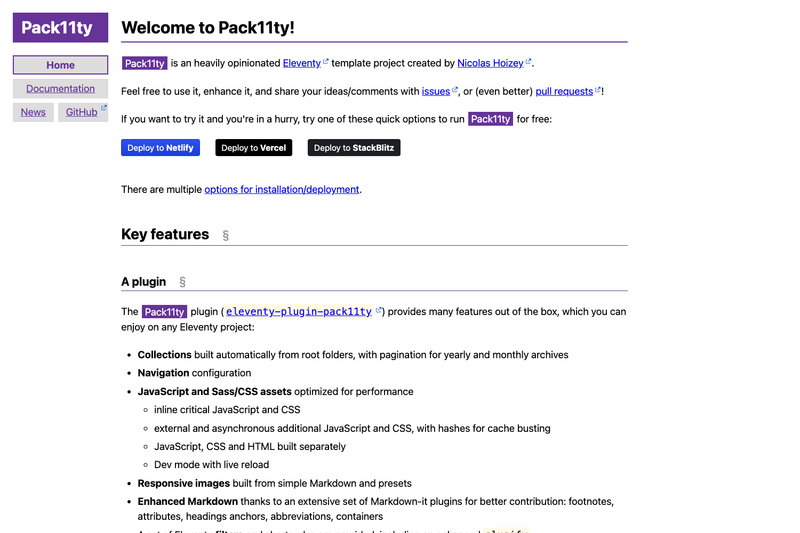
Command to create a new Eleventy site with the Pack11ty starter
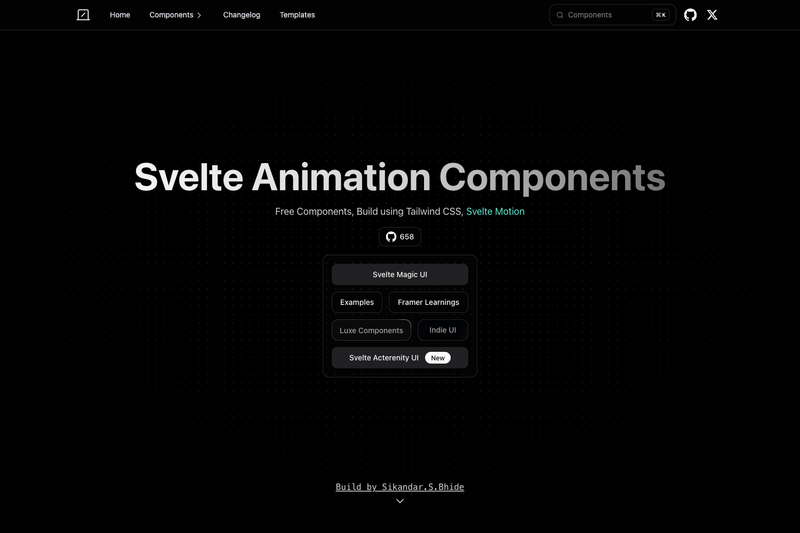
Reusable Svelte animation components and templates built with Tailwind CSS and Svelte Motion, including Magic UI and Aceternity UI ports.
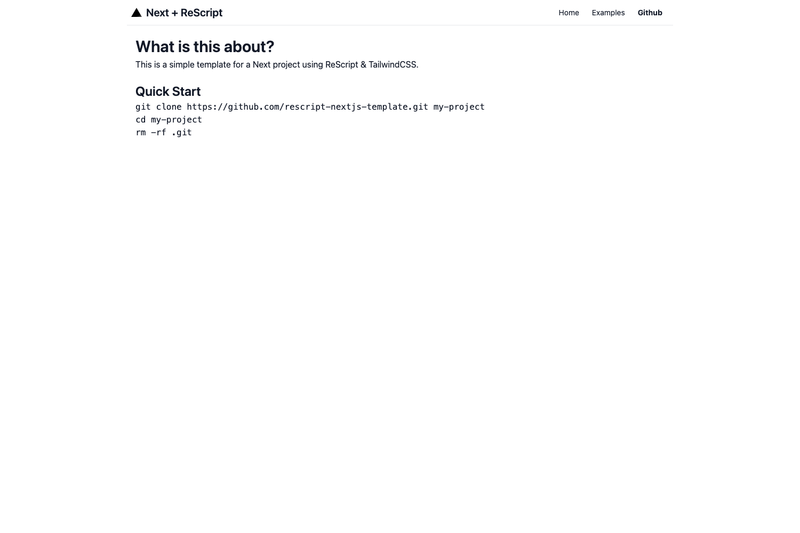
Opinionated boilerplate for NextJS, Tailwind, and ReScript with preconfigured bindings and Fast Refresh support.
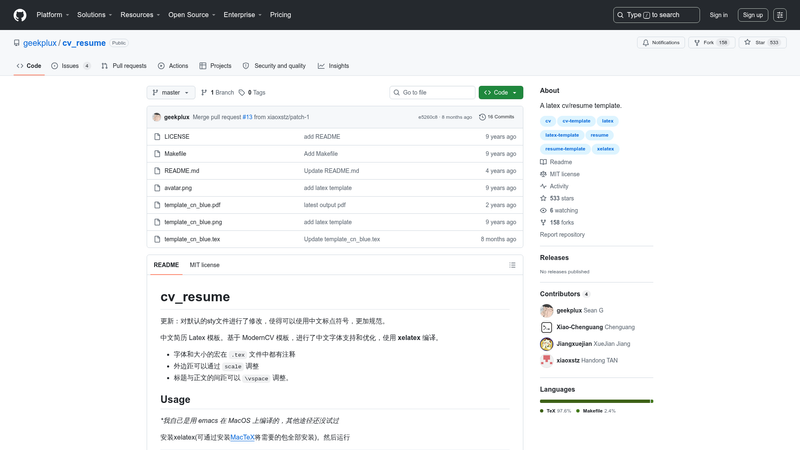
A Chinese-friendly LaTeX CV/resume template based on ModernCV, compiled with XeLaTeX.
Architectify Template is a Hugo-based website starter for architecture and design portfolios, built on the Hugolify theme system and available as a GitHub template.
Architectify Template is a GitHub template repository that scaffolds a Hugo static site for architecture and design projects. It takes a preconfigured Hugo project with content sections and taxonomies and produces a deployable website that runs on any Hugo-compatible host. The template is based on Hugolify, and its documentation points to the Hugolify template wiki. A live demo is hosted at demo.architectify.io with a Netlify deployment badge in the README.
Because the repository is a GitHub template, creating a new project starts with the "Use this template" button on GitHub. The Hugo content directories and taxonomy definitions are already in place; you add markdown files to each section. The README links to the Hugolify wiki for documentation, and the included Netlify badge indicates the project is set up for continuous deployment on Netlify.
Architectify Template is free. It is based on Hugolify, which is licensed under the MIT license, allowing free use for personal or commercial projects.
Yes. The template is based on Hugolify, which is MIT-licensed. You can use it for personal or commercial projects without paying anything.
The template includes pages, persons, places, posts, projects, and publications. Posts have authors, categories, and tags; projects have tags and types; publications have categories and a concerned taxonomy.
Click the "Use this template" button on GitHub to create a new repository. Then clone it locally, add your content under the existing section folders, and deploy the Hugo site to a host like Netlify.
The demo site is deployed on Netlify, and the README includes a Netlify status badge. You can connect your generated repository to Netlify for automatic builds and previews.