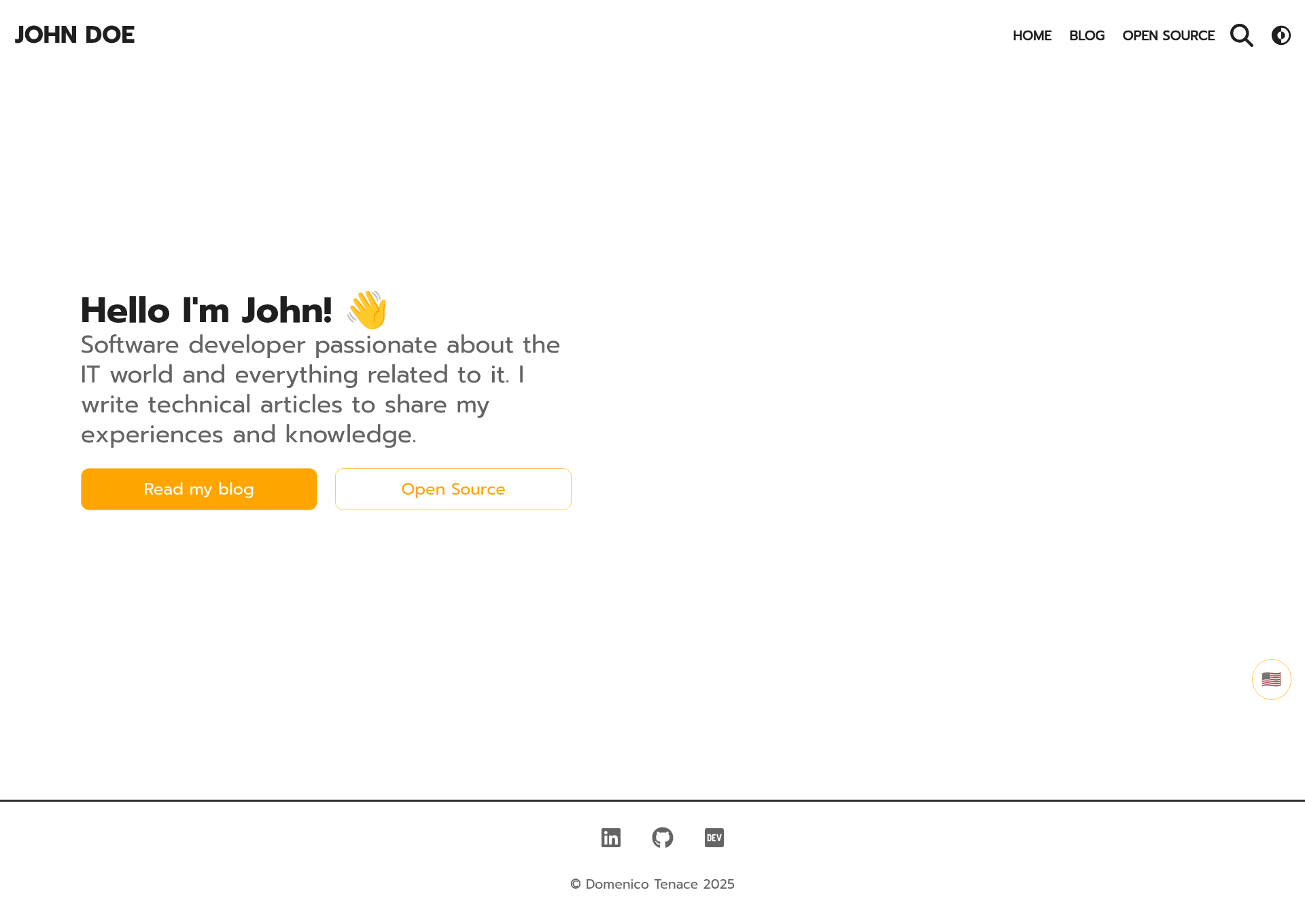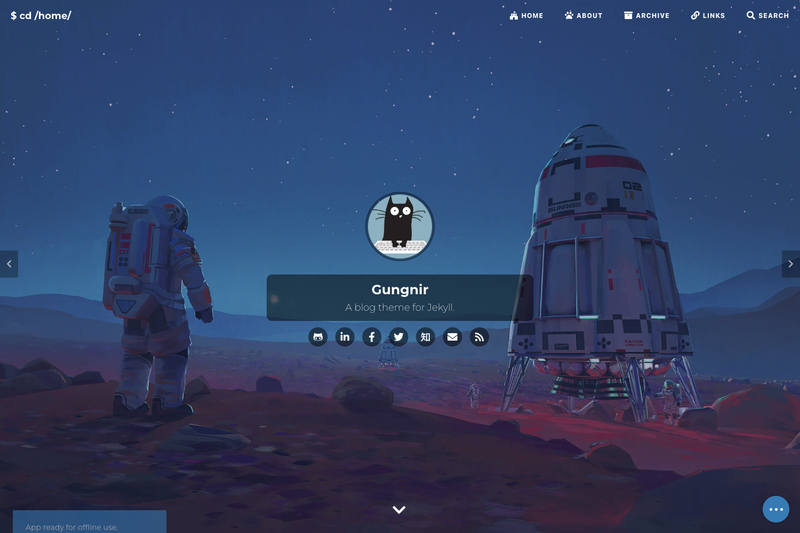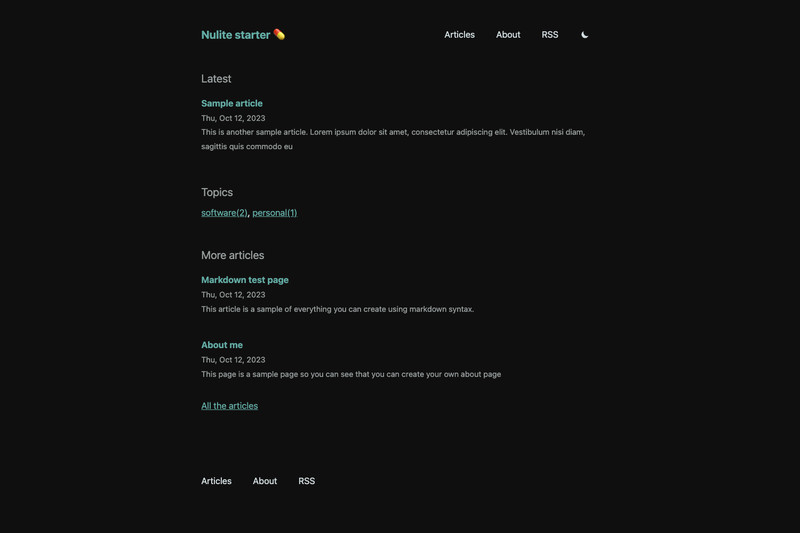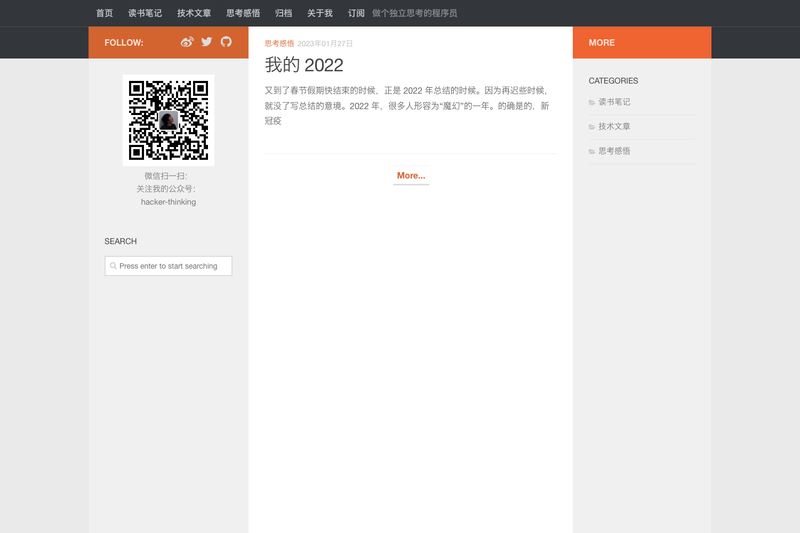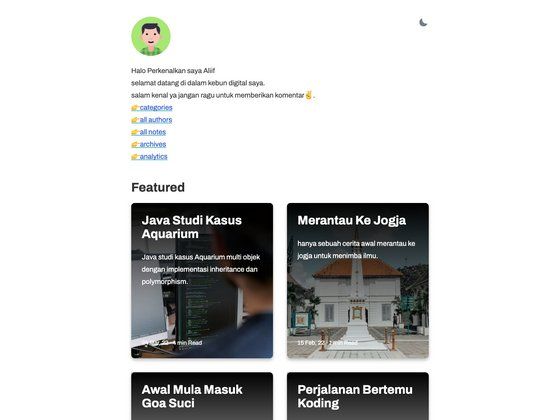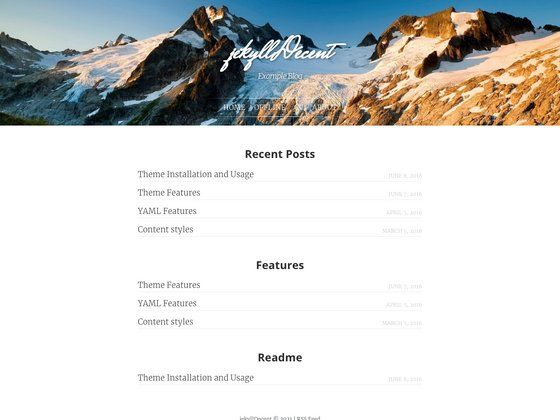
Astro Minimal is an open source blog template built with the Astro framework and styled with Bulma CSS, created by Domenico Tenace as a reusable starting point for his own projects. It accepts Markdown files as blog posts and outputs a static, responsive blog that ships with a light/dark mode toggle, full-text search powered by Orama, and internationalization for interface text. The project is published on GitHub with 62 stars and carries topics that signal its stack: astro, astro-template, astrojs, bulma, css, frontend, hacktoberfest, jamstack, javascript, orama, scss, template, typescript, and vue.
What is Astro Minimal?
Astro Minimal is an open source blog template designed for developers who want a clean, fast blog without pulling in a heavy frontend framework. It uses Astro as the static site generator and Bulma as the CSS framework, with SCSS for styling and TypeScript for scripting, according to the repository's topic tags. The template takes Markdown files as input for blog posts and produces a fully responsive static website with a theme toggle and built-in search. It was developed by Domenico Tenace, who based it on his personal website and released it as a reusable open source project.
Key Features
- Light/dark mode toggle — Visitors can switch between light and dark themes; the template includes both color schemes out of the box.
- Markdown support for blog posts — Blog content is written in Markdown files, which Astro compiles into HTML pages at build time.
- 100% responsive layout — The Bulma-based design adapts to mobile, tablet, and desktop screen sizes.
- Full-text search with Orama — A built-in search feature lets readers find posts by keyword directly on the site, using the Orama library instead of a third-party search service.
- i18n support for UI text — Interface strings can be translated into multiple languages, though Markdown content files are not yet translated.
- Open source and community-ready — The repository includes a CONTRIBUTING.md file, invites bug reports through GitHub issues, and accepts donations via Buy Me a Coffee to support the developer.
Who is it for?
Developers who want a minimal Astro blog template with modern conveniences like search and theme switching can use it as a foundation for their own projects. Bloggers who write in Markdown and prefer a static site generator over a CMS like WordPress will find the workflow straightforward. Contributors looking for a small, approachable open source project can participate through GitHub issues, pull requests, and the Hacktoberfest topics listed in the repository. Designers who favor Bulma's utilitarian class system over utility-first frameworks get a ready-made Bulma layout to customize.
What can you do with Astro Minimal?
- Developers: Fork the repository and reuse it as a base for a personal blog or portfolio, customizing the Bulma SCSS variables to match your brand.
- Bloggers: Write posts in Markdown, run the Astro build, and deploy the static output to any hosting service that serves static files.
- Bilingual site owners: Use the i18n feature to translate the interface labels into a second language, while keeping Markdown posts in a single language (since .md translation is not yet supported).
FAQ
Is Astro Minimal free?
Yes. The template is open source and published on GitHub, so anyone can download, modify, and use it for personal or commercial projects without paying for a license. There is no pricing model attached to the template itself.
What CSS framework does Astro Minimal use?
It uses Bulma, a modern CSS framework based on Flexbox. The source also includes SCSS, so styles are written as Sass and compiled to plain CSS as part of the Astro build.
Does Astro Minimal support multiple languages?
Partially. The user interface text supports internationalization (i18n), but Markdown content files are not yet localizable, as the developer notes that i18n is "not for .md files for now."
What search engine does Astro Minimal use?
It uses Orama, a full-text search library that runs entirely in the browser. There is no external search service or API key required, so the site can be hosted as a static site without a backend.