Newsletter
Join the Community
Subscribe to our newsletter for the latest news and updates

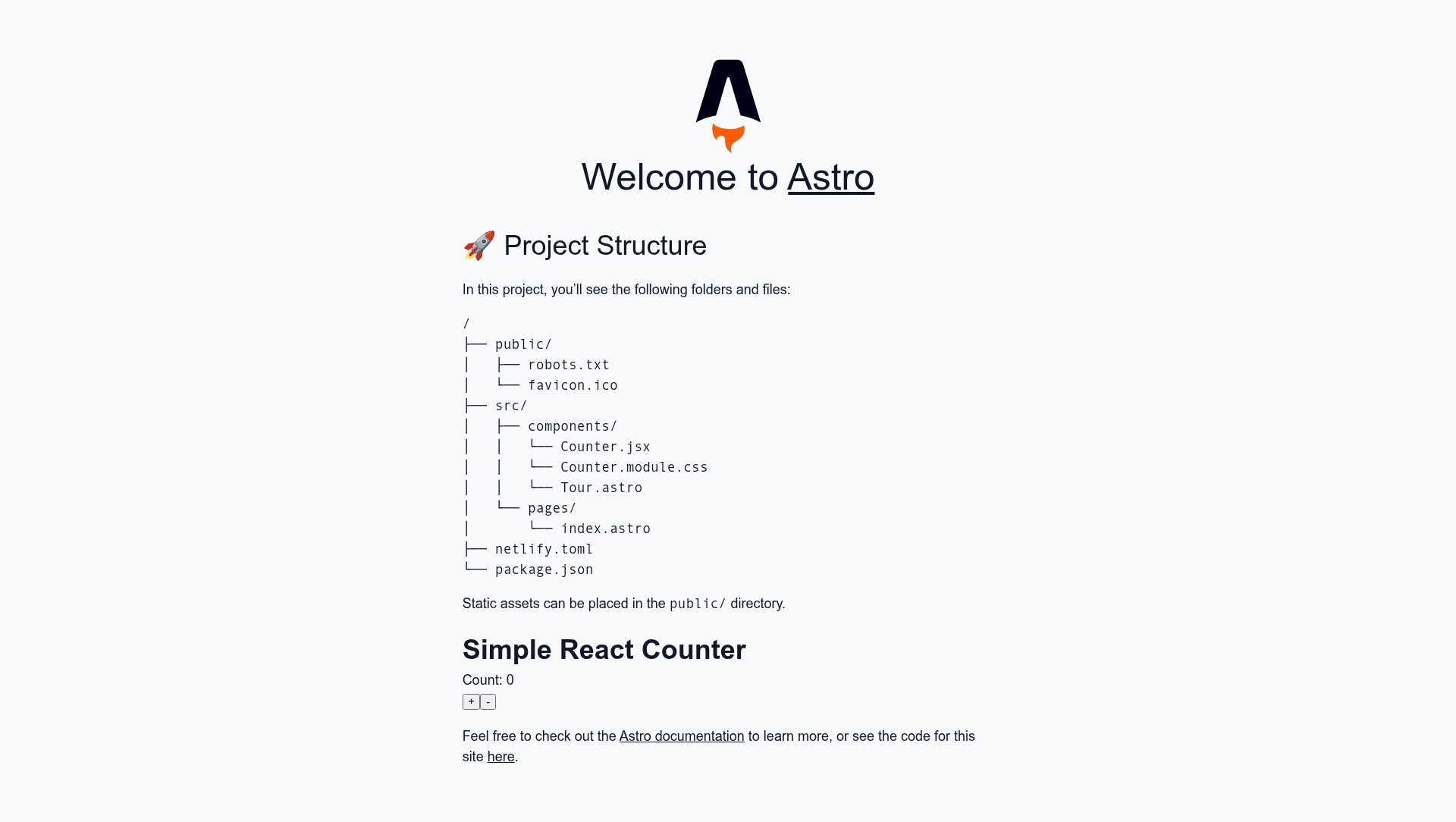
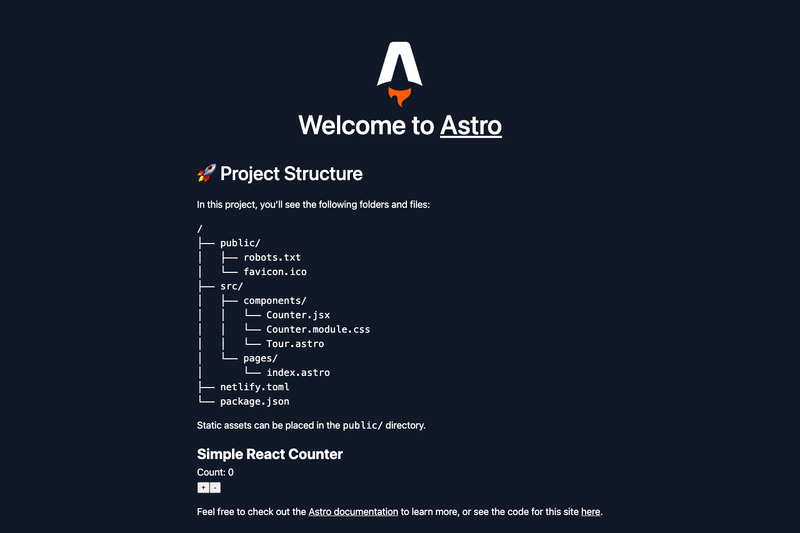
Astro + Netlify Starter is a boilerplate for launching Astro static sites on Netlify with a preconfigured netlify.toml and an example React component.
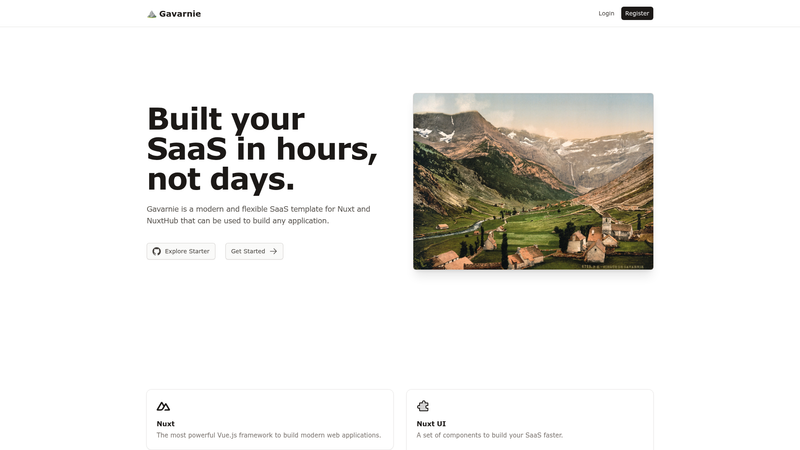
SaaS - Pre-configured and ready-to-use features to help you start your full-stack NuxtHub project faster.
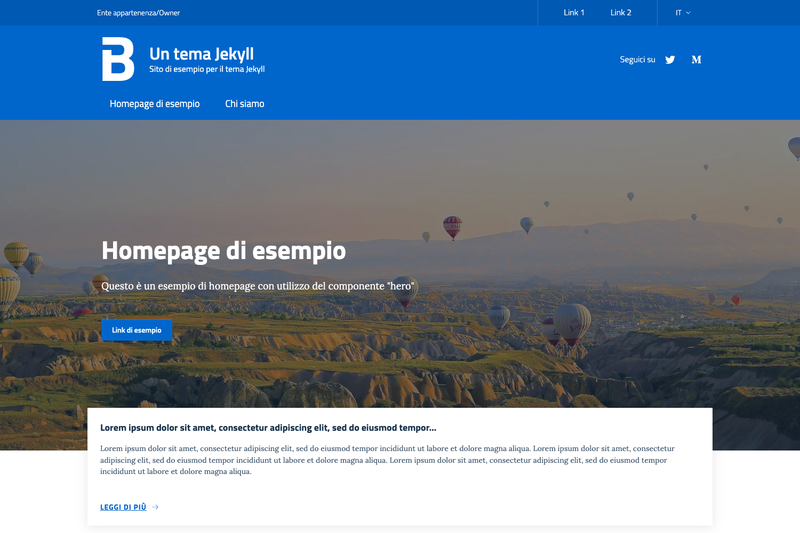
A Jekyll theme implementing the Italia Design System, built with Bootstrap Italia and the UI Kit.
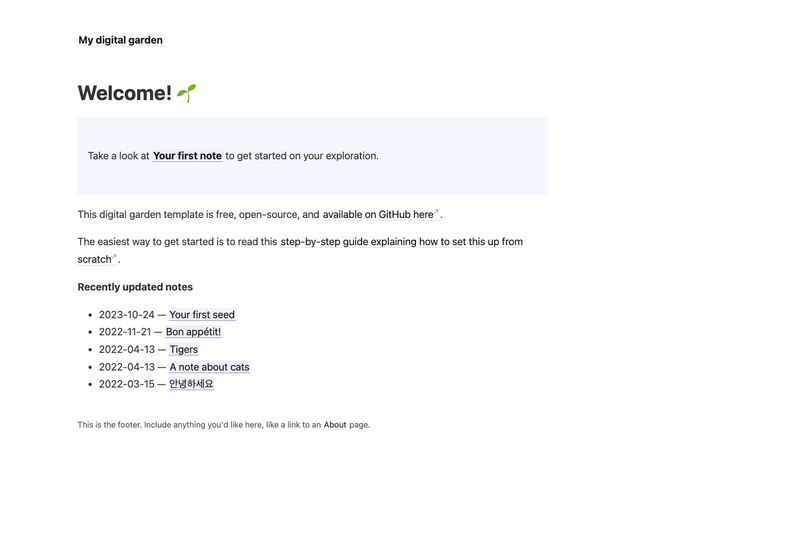
Start your own digital garden using this Jekyll template 🌱
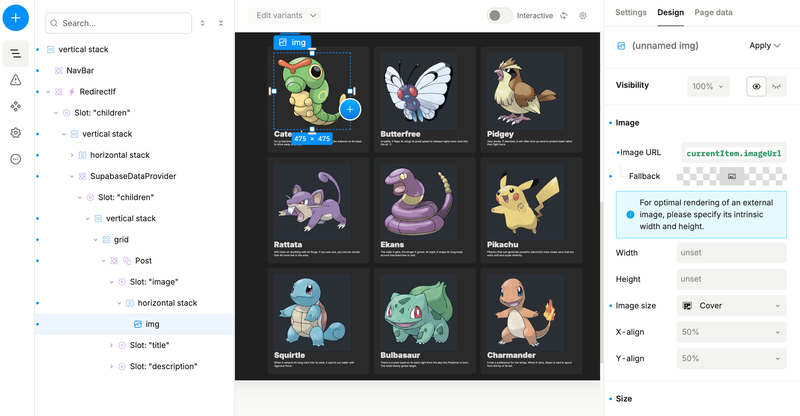
Starter kit for building Next.js apps with Supabase Auth, Tailwind CSS, and shadcn/ui.
Astro + Netlify Starter is a boilerplate template for launching Astro static sites on Netlify, pairing an example React component with a ready-to-use netlify.toml deployment config. It's hosted on GitHub by the user cassidoo and targets Astro v0.20.5, offering both a one-click deploy route and a CLI scaffolding command.
Astro + Netlify Starter is a minimal Astro project that begins as a fork of the official Astro Starter Kit and adds Netlify-specific deployment configuration. It takes a starting set of Astro files and an example React component with a CSS Module and produces a production-ready static site in ./dist/ after running the build command. The template is hosted in the cassidoo/astro-netlify-starter repository on GitHub.
Netlify-ready config — includes a netlify.toml file so build commands and publish directory are predefined for Netlify deploys.
Example React integration — bundles a sample React component paired with a CSS Module, showing how to mix React islands into Astro pages.
One-click deploy — the README's Netlify Deploy button clones the repository to GitHub and creates a new Netlify site without local setup.
CLI scaffolding — npm init astro my-new-project --template cassidoo/astro-netlify-starter generates a new project from the template.
Familiar script commands — npm install, npm run start (dev server on localhost:3000), and npm run build (output to ./dist/) cover the basic workflow.
Based on the Astro Starter Kit — inherits the standard starter structure and file conventions from the Astro project.
JAMstack developers can use it as a baseline for deploying Astro sites to Netlify without writing deployment configuration from scratch. Front-end developers interested in layering React components into Astro can learn from the included example component and CSS Module. Rapid project starters can click the Deploy button or run the CLI command to get a new Astro site live on Netlify in minutes.
Prototype a static site: scaffold a new Astro project and push it to Netlify, then edit the Astro files and React component to build a custom landing page or blog. Learn Astro's island architecture: examine the example React component to see how Astro handles interactive islands alongside static HTML. Set up a continuous deployment workflow: after connecting the GitHub repo to Netlify, each push triggers a new build with the netlify.toml settings.
To get started, either click the Netlify Deploy button, which forks the repository and links it to a new Netlify project, or run the CLI command npm init astro my-new-project --template cassidoo/astro-netlify-starter. After that, install dependencies with npm install, then use npm run start for local development at localhost:3000 or npm run build to generate the static site in ./dist/.
Yes, the template is publicly available in the cassidoo/astro-netlify-starter GitHub repository and can be cloned or used as a template without payment. Netlify itself offers a free tier for deploying sites, though the template does not include any pricing information.
The README specifies Astro v0.20.5 as the foundational version. Since it's a starter kit, you can update the dependency to a more recent Astro release, but the template's configuration was written against that version.
No CSS framework like Tailwind or Bootstrap is included. The only styling example is a CSS Module attached to the React component, plus whatever base styles come with the Astro Starter Kit.
The repository includes a netlify.toml specifically for Netlify. While Astro sites can be deployed elsewhere, the template's deployment configuration is Netlify-oriented and the one-click deploy button targets Netlify only.
The README links to the Astro documentation on GitHub for further guidance on building with Astro.