Newsletter
Join the Community
Subscribe to our newsletter for the latest news and updates

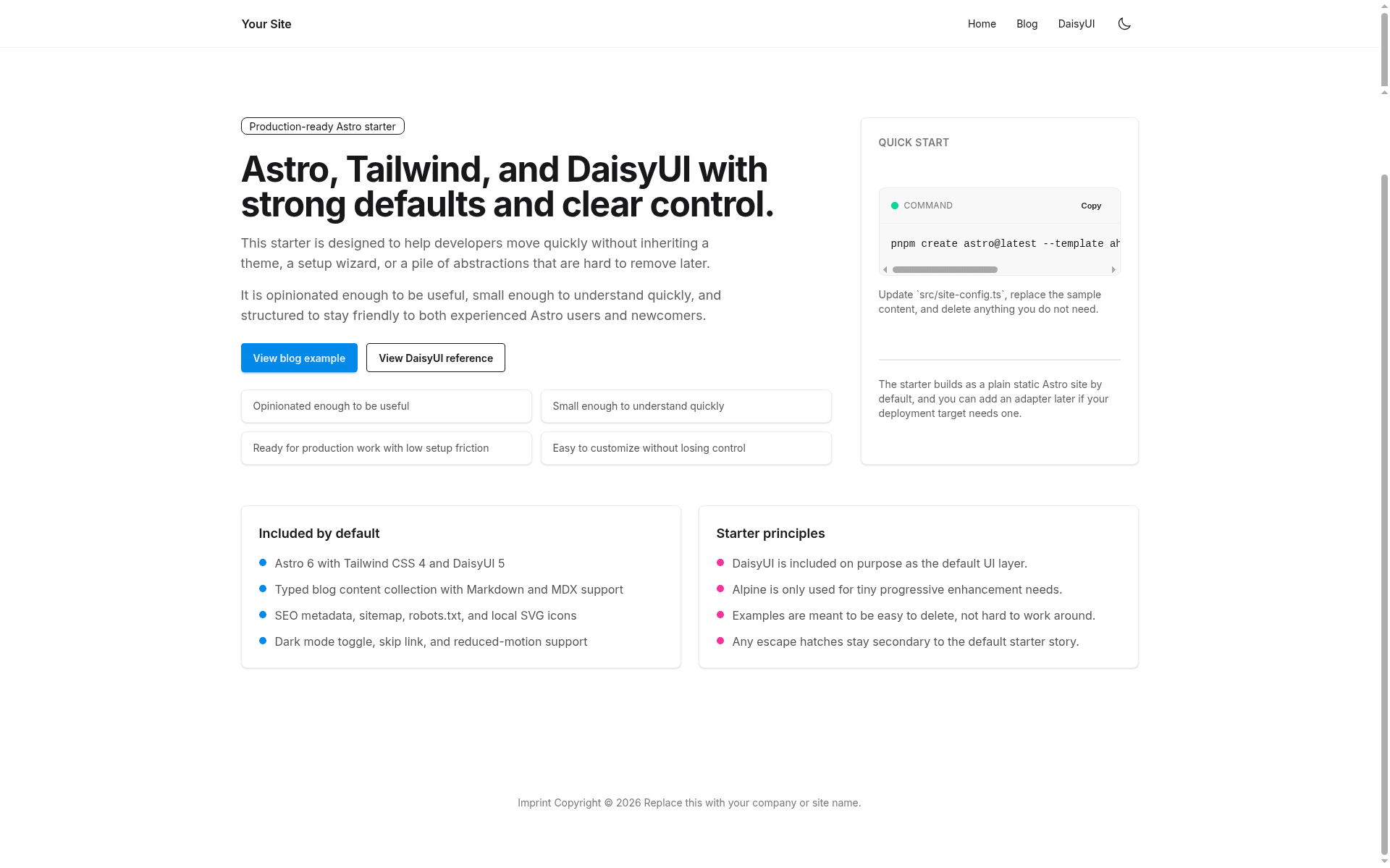
Production-ready Astro starter with Tailwind CSS 4, DaisyUI 5, blog support, SEO basics, and optional Alpine JS for tiny progressive enhancement.
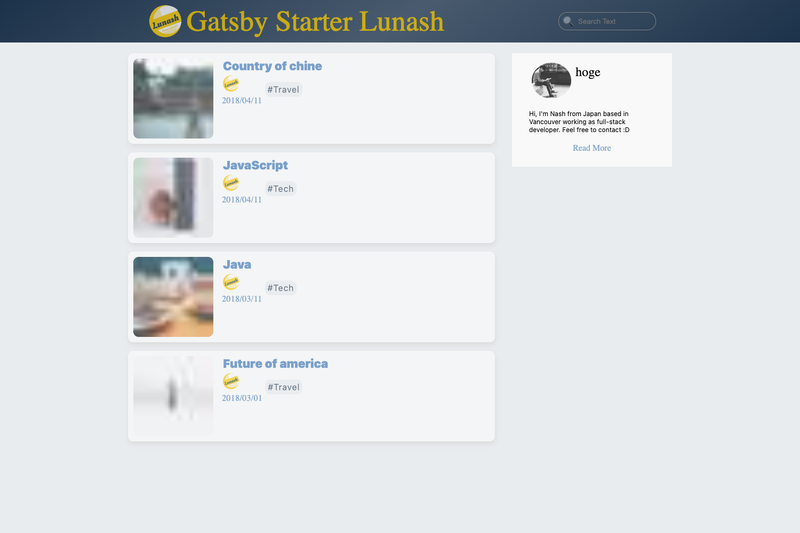
A Gatsby.js v3 blog starter using TypeScript, styled-components, and Atomic Design.
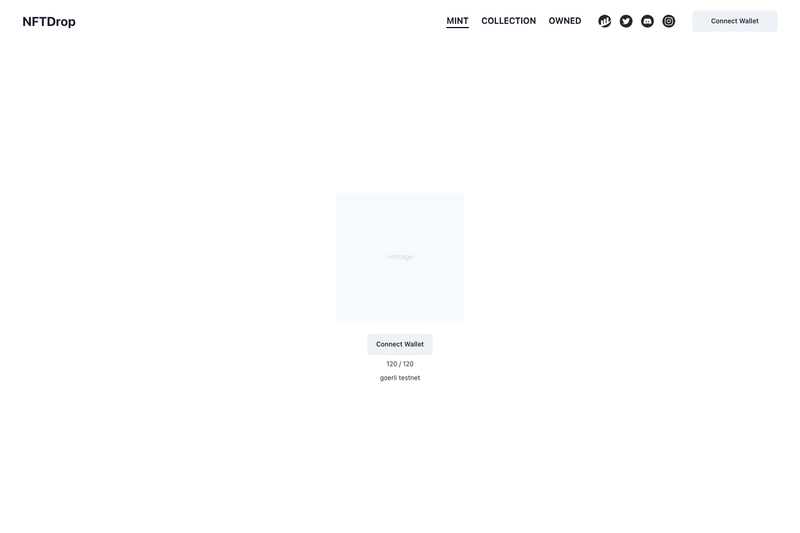
Next.js example connecting to thirdweb's NFTDrop contract for minting NFTs and viewing collections on Ethereum testnet.

Django, Vercel and Postgres Setup using Tailwind CSS and new Vercel Storage (Beta)
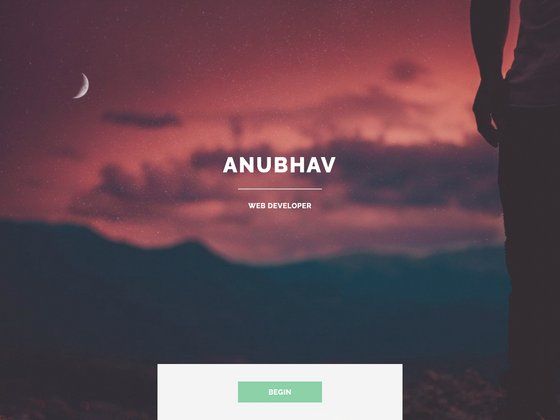
Gatsby.js V4 starter template based on the Highlights design by HTML5 UP for one-page portfolio sites.
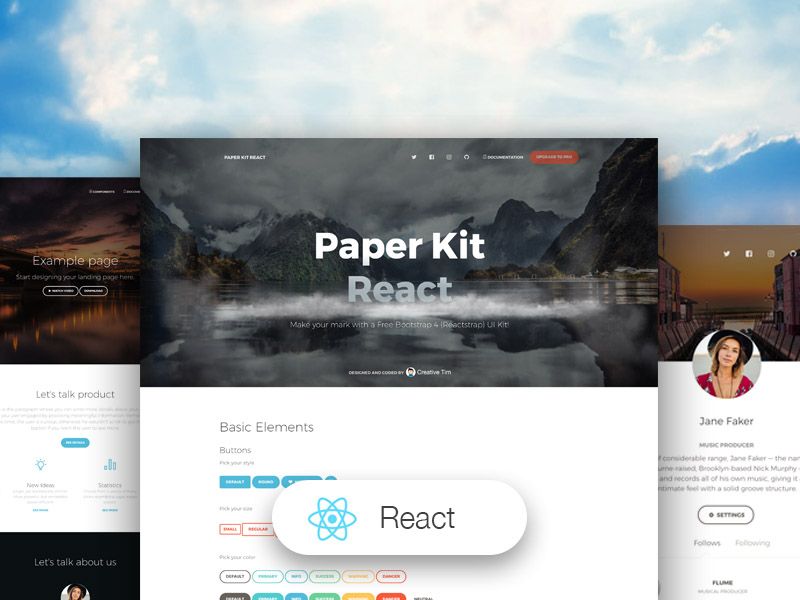
Free Bootstrap 4, React Hooks, and Reactstrap UI kit with pastel colors and paper-inspired design from Creative Tim.
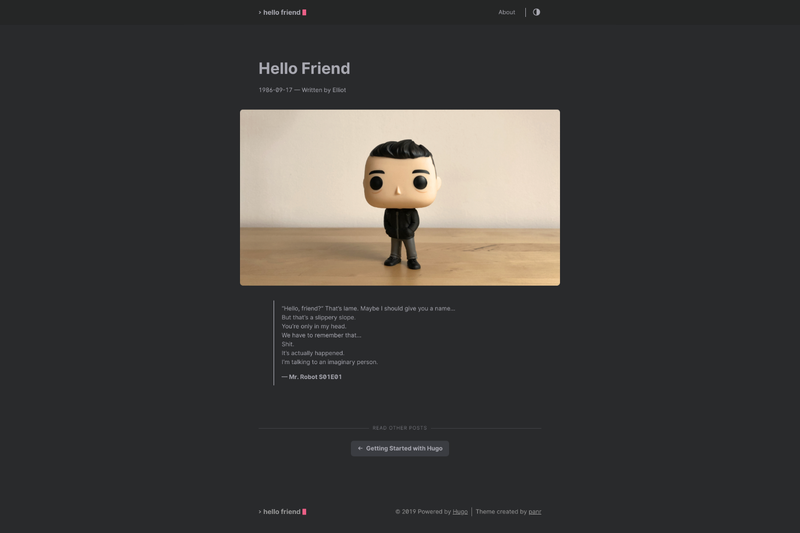
Pretty basic starter for Gatsby that covers all of the essentials. All you have to do is start typing!
What is the astro-tailwind-daisyui-starter? The astro-tailwind-daisyui-starter is a production-ready Astro boilerplate that combines Astro 6, Tailwind CSS 4, and DaisyUI 5 to generate a static content-first website with built-in blog support, SEO metadata, and dark mode. It is created by aholbreich and released under the MIT license. The repository contains a base layout, a small set of components, a minimal typed blog collection in Markdown and MDX, and a single DaisyUI reference page, all intended to be kept, adapted, or deleted. You supply your site URL and metadata through .env and src/site-config.ts, add posts to src/content/blog/, and it produces a static HTML site with sitemap, robots.txt, and accessibility features.
It focuses on a small, opinionated stack: Astro for the site shell, Tailwind for styling, and DaisyUI for UI components, with Alpine JS used only where a few lines of client-side behavior help.
This starter suits developers who want a production-ready but understandable Astro project instead of a blank repo or a large scaffolding system.
With the blog collection and example pages already in place, the starter supports several concrete projects.
You can scaffold a project with pnpm create astro@latest --template aholbreich/astro-tailwind-daisyui-starter, or clone the repository and run pnpm install. Then pnpm dev starts the dev server at localhost:4321. Set PUBLIC_SITE_URL and PUBLIC_TWITTER_HANDLE in .env, edit the site config, add content, and run pnpm build to generate the static site.
Yes. The starter is open source under the MIT license, so it is free to use and modify for personal or commercial projects.
No. The README explicitly lists these as intentionally not included. It is a static starter focused on content, SEO, and styling, with no app-style state management.
Not out of the box. The default output is a static site with no adapter. You can add a deployment adapter later if your platform needs SSR, an image service, or edge runtime support.
Astro 6 requires Node 22.12.0 or newer. The repository includes an .nvmrc that pins this baseline.
Set PUBLIC_SITE_URL and PUBLIC_TWITTER_HANDLE in .env; the starter validates them in astro.config.mjs, then uses them in src/site-config.ts for sitemap, canonical URLs, and social metadata. Other settings like title, navigation, and footer text live in src/site-config.ts.