Newsletter
Join the Community
Subscribe to our newsletter for the latest news and updates

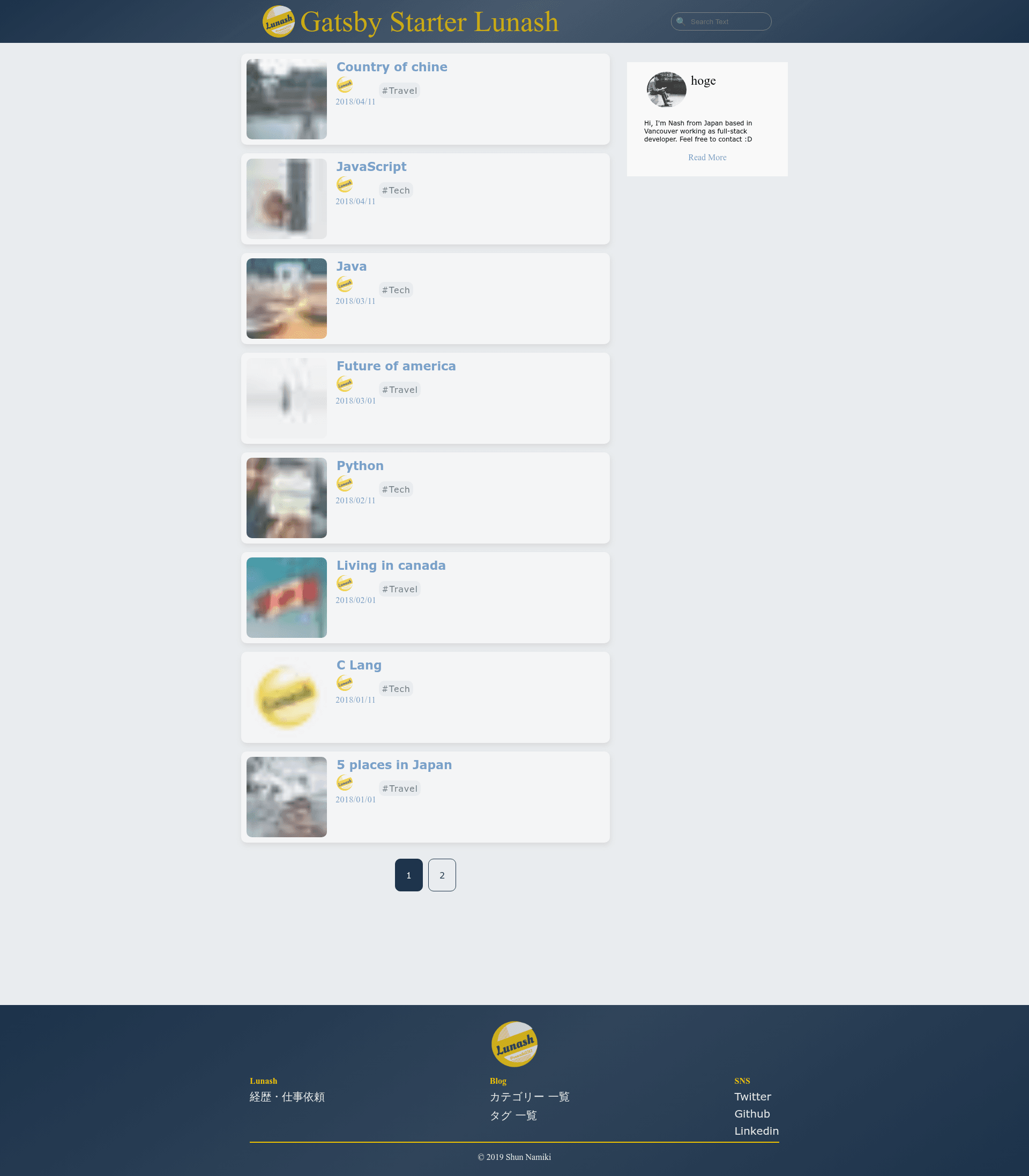
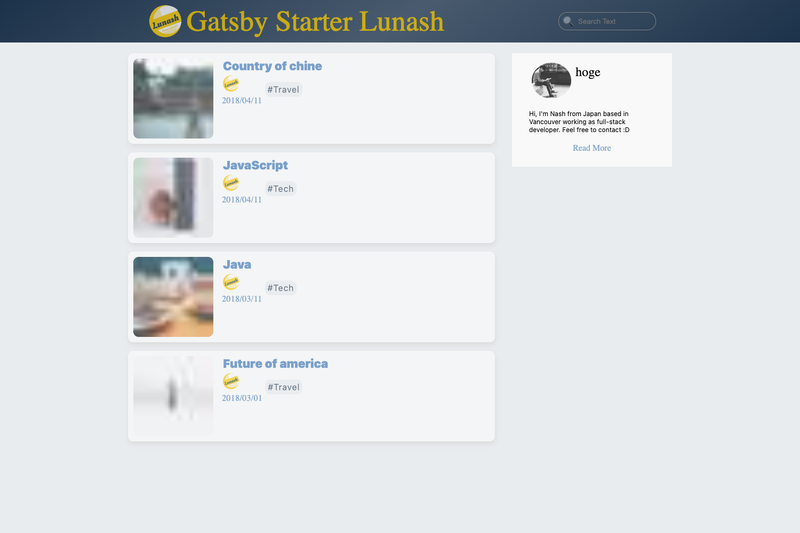
A Gatsby.js v3 blog starter using TypeScript, styled-components, and Atomic Design.
A Jekyll theme showcasing the U.S. Web Design System
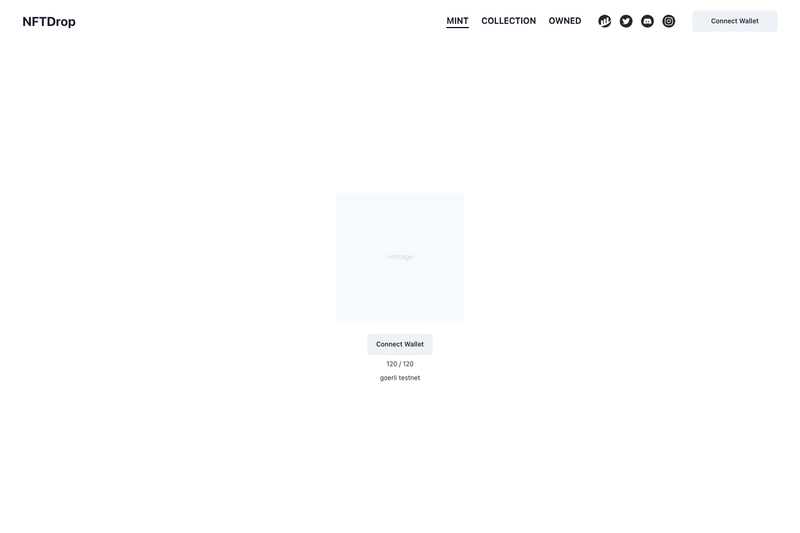
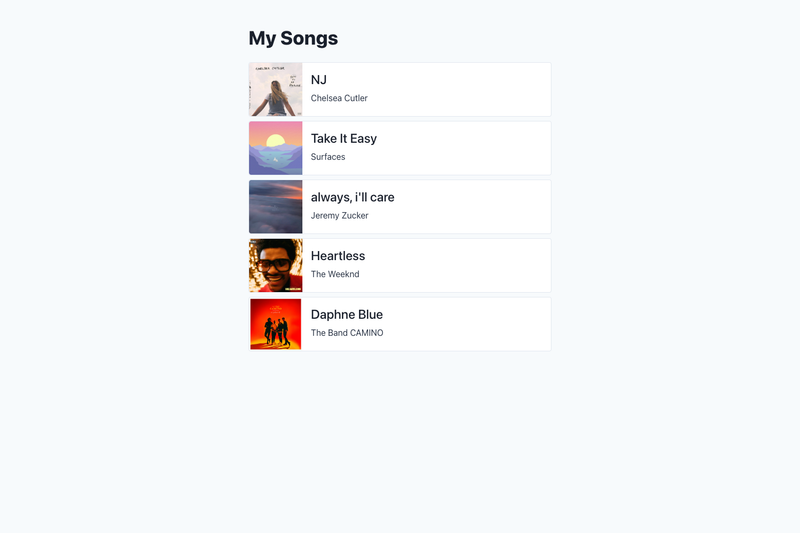
Next.js example connecting to thirdweb's NFTDrop contract for minting NFTs and viewing collections on Ethereum testnet.
Gatsby Starter Lunash is a free, MIT-licensed Gatsby.js v3 boilerplate for building static blogs with TypeScript, styled-components, and Atomic Design.
Gatsby Starter Lunash is a blog-focused starter template built on Gatsby.js v3, configured with TypeScript and styled-components for CSS-in-JS. It takes Markdown files placed in a contents directory as input and compiles them into a fully static blog site that can be hosted on GitHub Pages. The template was created by the developer behind the Lunash blog (snamiki1212), who uses it for his own Japanese-language blog. It includes a GitHub Actions workflow for continuous integration, and its UI was originally designed in Figma following Atomic Design principles.
contents folder stores blog articles, a data folder holds constant values, and a gatsby-node folder contains build-time logic for generating static files.contents directory using Markdown.contents folder and deploy a static blog to GitHub Pages with CI.The starter is used through the Gatsby CLI: after installing the gatsby-cli package globally, run yarn to install dependencies and yarn start to launch a development server. The site content lives in the contents directory as Markdown files; during a build, gatsby-node scripts transform those files into static pages, and the GitHub Actions workflow handles CI and publication to GitHub Pages.
Free — the template is released under the MIT license, and there are no paid tiers or usage fees. You only pay for your own hosting if you choose a service other than GitHub Pages.
Yes, the starter is completely free to use. It is released under the MIT License, so you can use, modify, and distribute it without charge, including for commercial projects.
The template is built on Gatsby.js v3, the third major version of the static site generator. This affects the plugin ecosystem and API patterns you will work with.
Install the Gatsby CLI globally, then run yarn to install dependencies and yarn start to preview the site locally. To create a new project, you would use the Gatsby CLI to clone the starter repository.
Yes, the repo includes a GitHub Actions workflow configured for GitHub Pages deployment. The demo site is hosted on GitHub Pages and updates automatically through CI.
Yes. The starter is written in TypeScript and includes type definitions for its components, so you get compile-time type checking during development.