Newsletter
Join the Community
Subscribe to our newsletter for the latest news and updates

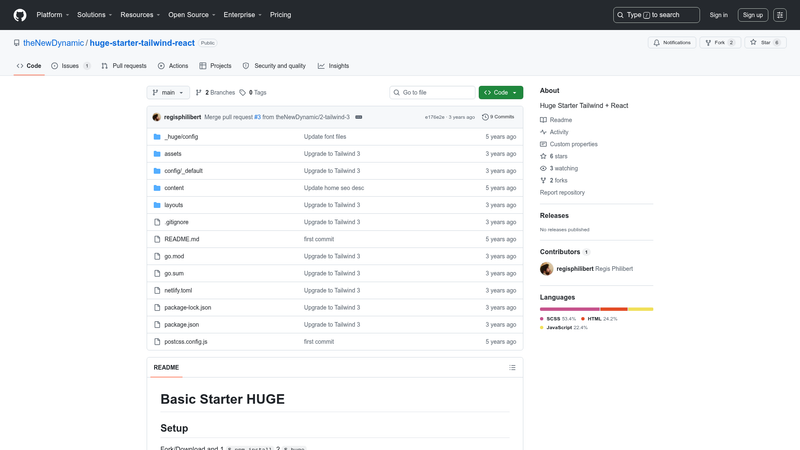
A Hugo starter template with Tailwind CSS and React for building static websites.
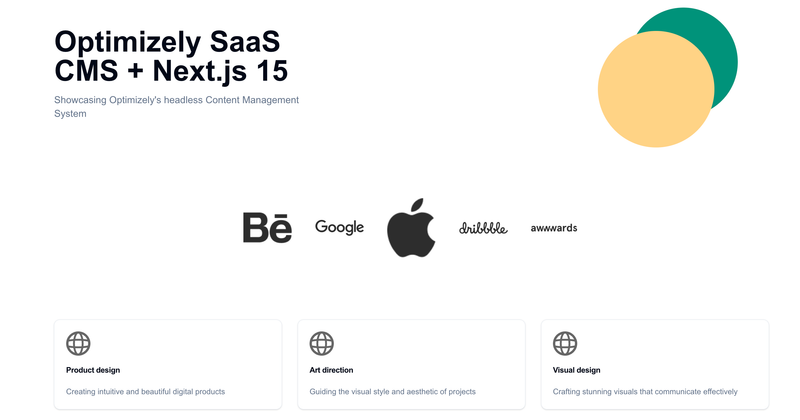
Next.js starter that connects a blog site to Sitecore XM Cloud via JSS, with headless SXA components.
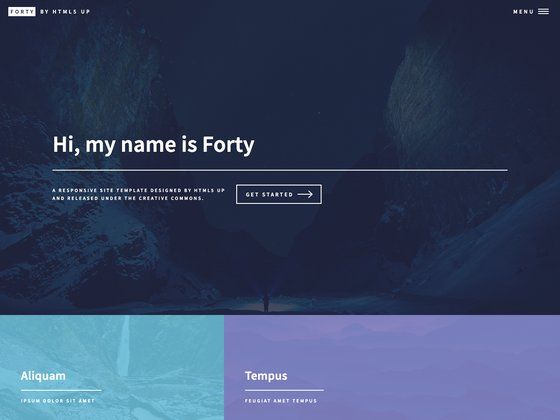
Gatsby.js V2 starter based on the Forty site template by HTML5 UP, with a custom CSS Grid layout.

Next.js starter site for the Collège Maisonneuve Multimedia Integration department, built with Contentful, SCSS, and Three.js.
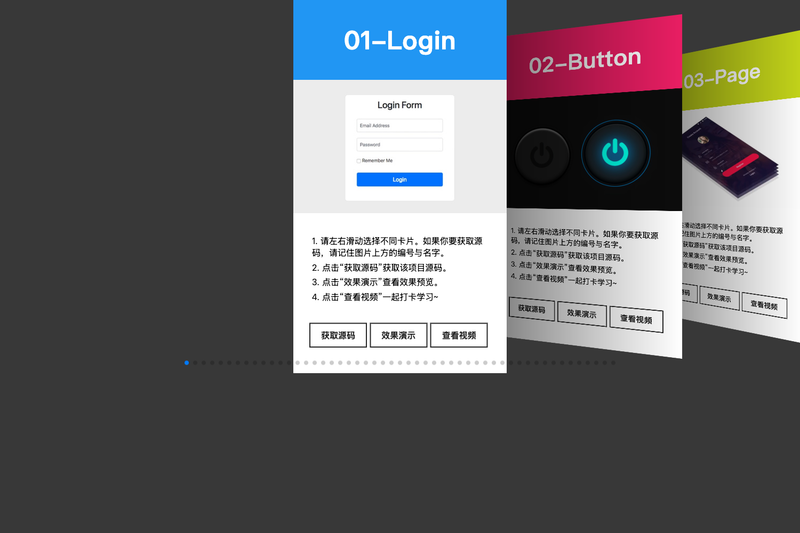
A collection of HTML and CSS web design templates for learning, with online previews and downloadable source code.
Basic Starter HUGE is a Hugo starter template that combines the Hugo static site generator, Tailwind CSS, and React for building static websites.
Basic Starter HUGE is a boilerplate repository for creating Hugo-powered static websites with a modern frontend stack. It takes markdown content and Hugo templates as input, and runs them through a build step to produce a static site ready for deployment. The project is set up with npm for dependency management and the Hugo CLI for site generation. Its name suggests a basic starting point for Hugo projects, and the repository metadata describes it as a "Huge Starter Tailwind + React".
npm install command.npm install and hugo commands are needed to generate the site.The template is distributed as a GitHub repository that you fork or download. After obtaining the source, install dependencies by running npm install in the project root. Then run hugo to generate the static site; Hugo compiles the content and templates into the output directory.
You need Node.js for running npm and the Hugo static site generator installed on your computer. No other global tools are mentioned in the setup instructions.
Fork or download the repository, open a terminal in the project folder, and run npm install. After dependencies are installed, run hugo to build the site.
Yes, the repository description explicitly states it is a "Huge Starter Tailwind + React", so React is part of the dependency stack, though the exact integration pattern is not detailed.