Newsletter
Join the Community
Subscribe to our newsletter for the latest news and updates

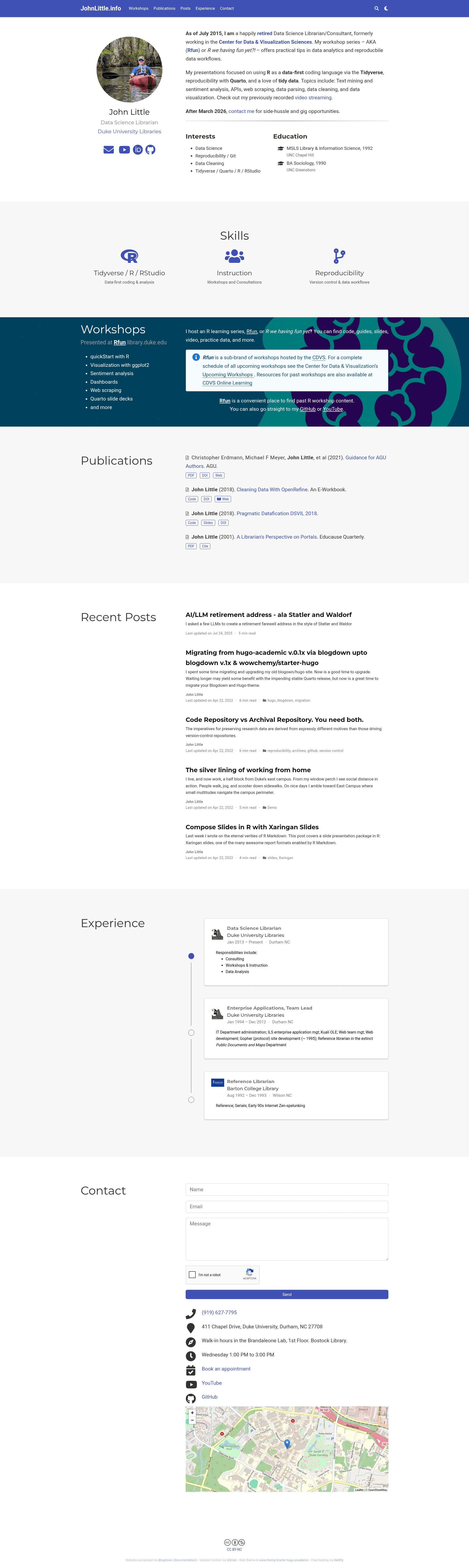
Using hugo academic theme and blogdown to create a personal website for libjohn. Hosted on netlify.

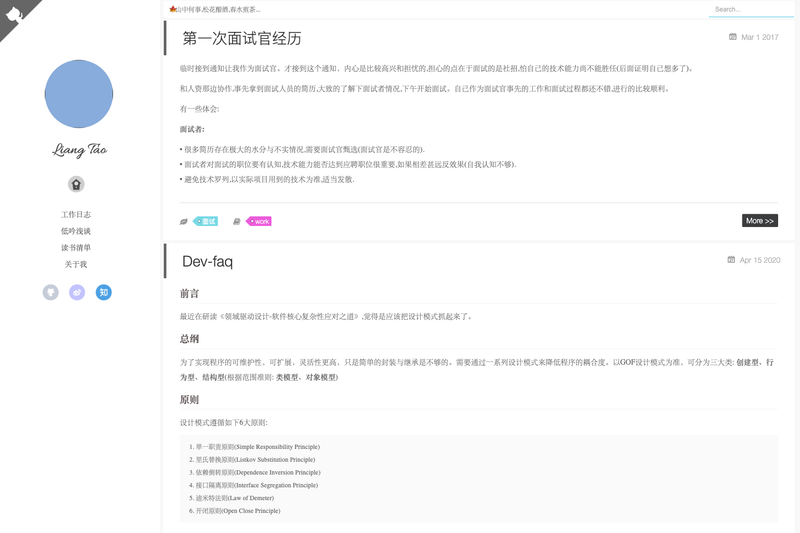
Free newspaper-style Jekyll theme with AMP support, Google Analytics, Disqus comments, and JSON-LD markup.

Free multi-page Bootstrap 4 food blogging template with recipe pages, lightbox gallery, email subscription, and social icons.
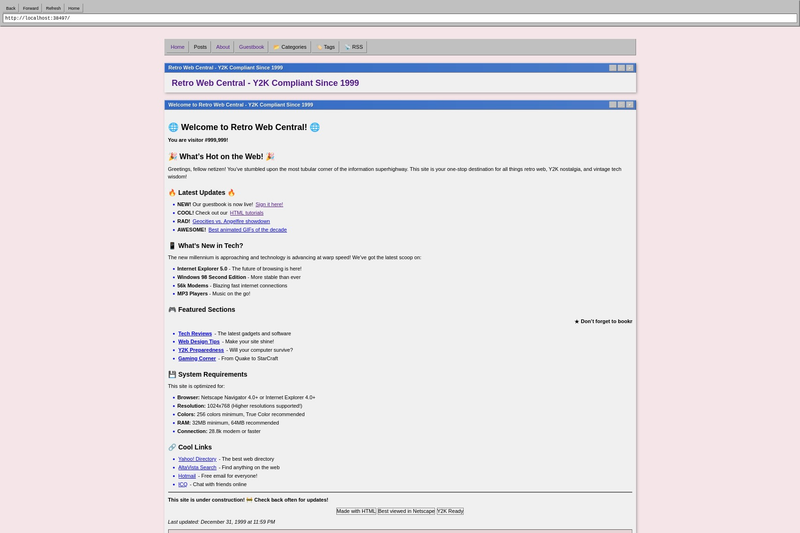
A nostalgic Hugo theme inspired by late 90s/early 2000s web design with a retro windowed interface.
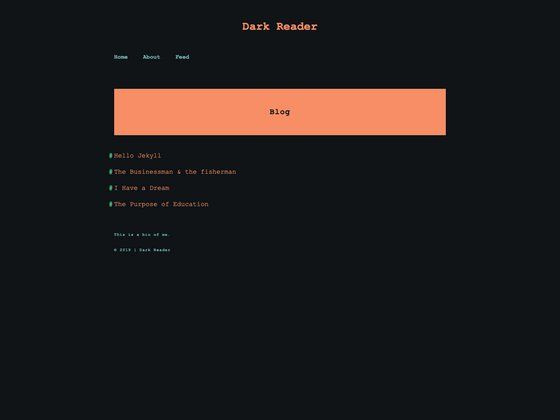
A minimal dark-mode Jekyll theme with minimal CSS and fast page loading, created by Sharad Raj Singh Maurya.
Blogdown-libjohn is a starter repository that pairs the R package Blogdown with the Hugo academic theme (wowchemy/starter-hugo-academic) to generate a personal academic website, hosted on Netlify.
Blogdown Libjohn is a template for building a personal website where the content is authored in R Markdown and compiled into a static Hugo site. It uses Blogdown, the R package that bridges R Markdown files and Hugo, and the wowchemy/starter-hugo-academic theme for the site's design. The input is a set of R Markdown posts and publication files placed under the content/ directory; the output is a deployable static website. The template is hosted on GitHub and is configured for Netlify hosting, as shown by the Netlify deploy status badge on the README.
content/ with a dedicated subdirectory for publications (content/publication/) and blog posts, following Hugo conventions.blogdown::find_hugo() then hugo new content/publication/... in the terminal.config/_default, assets/media for images, and layouts/partials for template overrides.hugo new content/publication/my-publication and edit the generated file to add citation details.To add a blog post, open the project in RStudio and choose Addins > New Post, which scaffolds an R Markdown post. For publications, open the R console, load Blogdown with library(blogdown), run blogdown::find_hugo() to get the Hugo executable path, then in the terminal run hugo new content/publication/name. After editing content, regenerate the site with Blogdown and push to the connected Netlify repository.
Use the RStudio IDE: go to the Addins menu and select New Post. Blogdown creates a new R Markdown file in the content directory, ready for you to write.
In the RStudio console, load Blogdown with library(blogdown), run blogdown::find_hugo() to locate the Hugo binary, then run hugo new content/publication/my-publication from the terminal. This generates a publication entry that you can edit.
The README states that hosting is on Netlify, and the repository includes a Netlify deploy status badge linked to the live site's deploys page.
The site uses the wowchemy/starter-hugo-academic theme, with documentation available at wowchemy.com/docs/getting-started/customization.