Newsletter
Join the Community
Subscribe to our newsletter for the latest news and updates
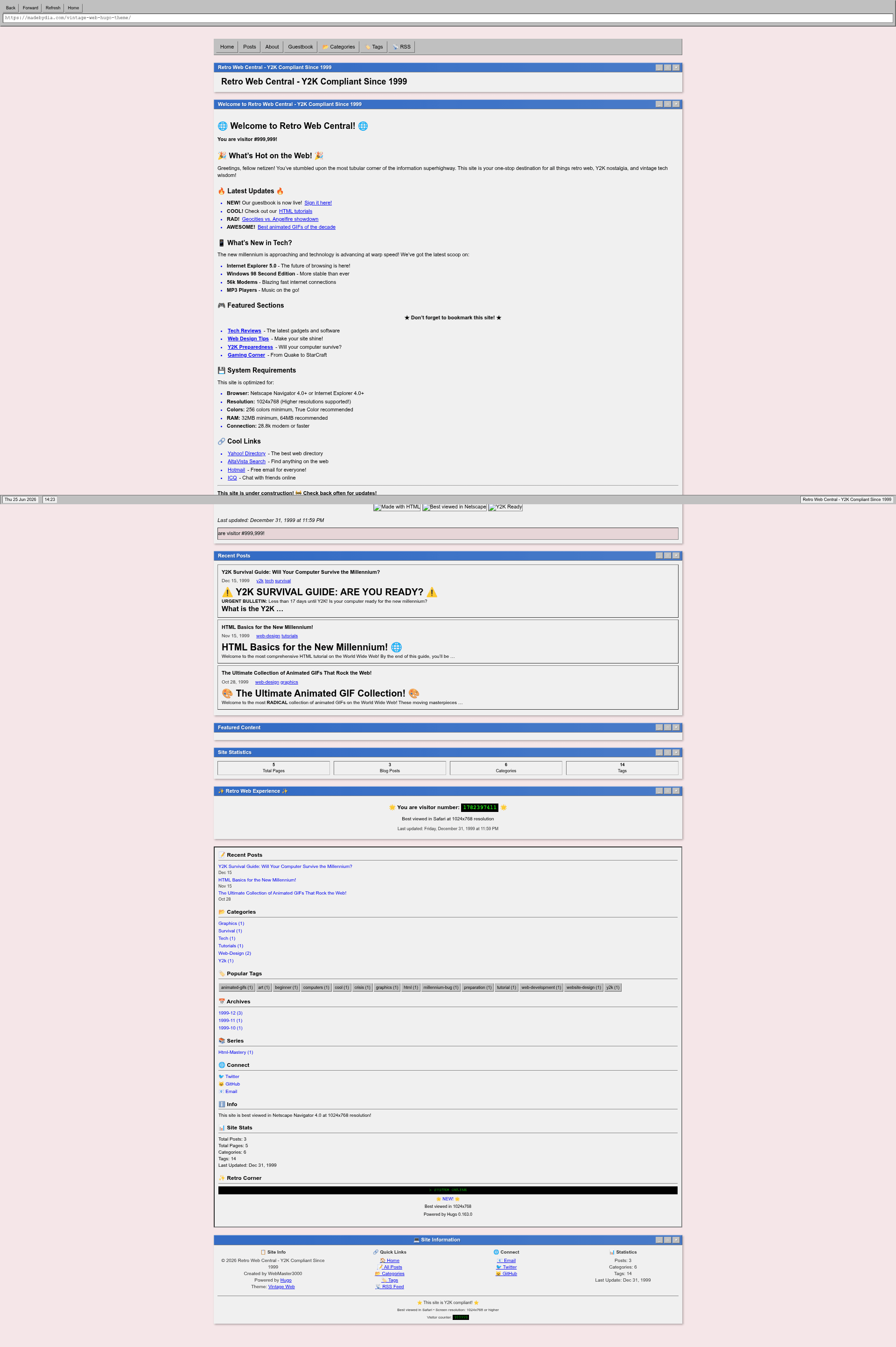
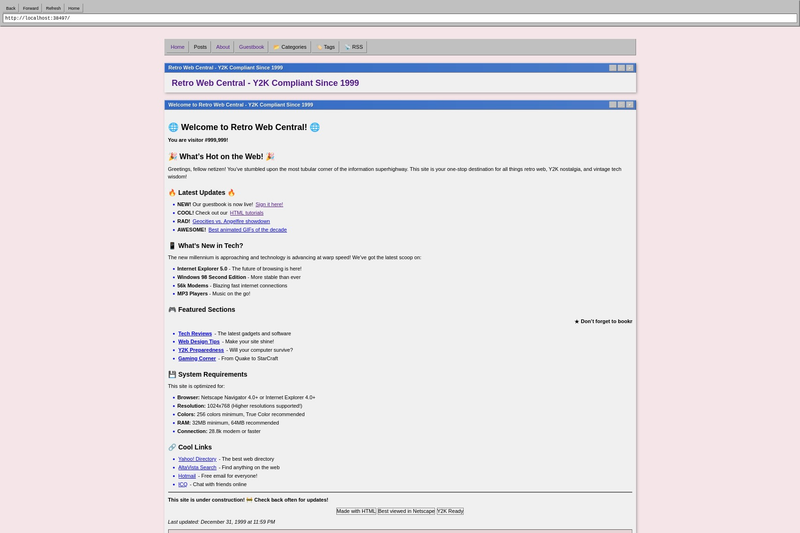
A nostalgic Hugo theme inspired by late 90s/early 2000s web design with a retro windowed interface.
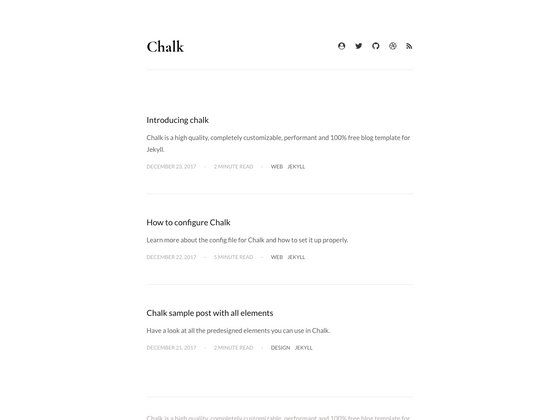
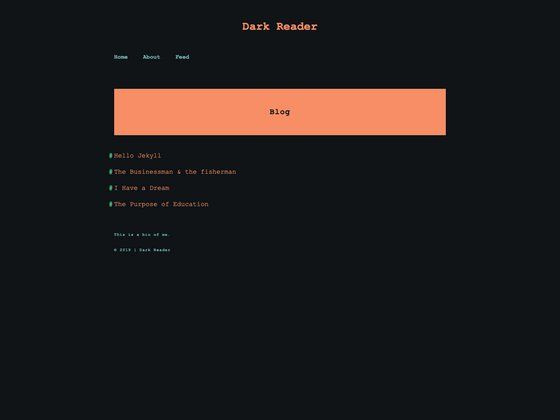
Chalk is a free, customizable Jekyll blog theme with dark/light mode, tag filtering, and automated deployment to GitHub Pages.
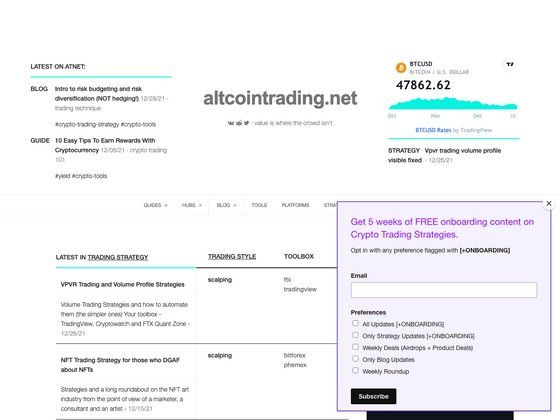
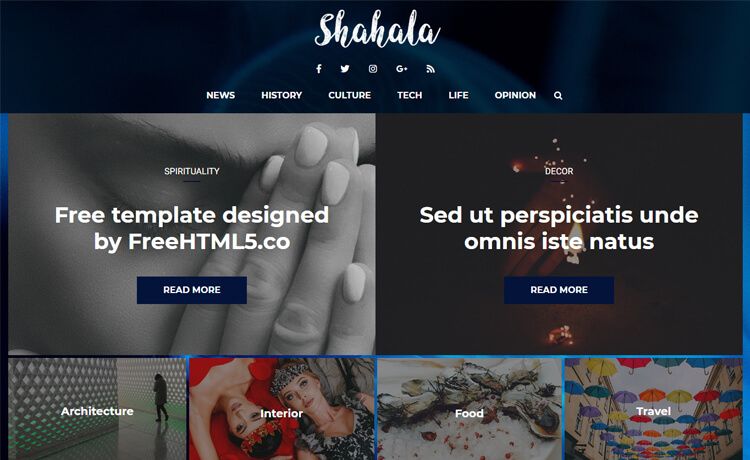
Free newspaper-style Jekyll theme with AMP support, Google Analytics, Disqus comments, and JSON-LD markup.

Free multi-page Bootstrap 4 food blogging template with recipe pages, lightbox gallery, email subscription, and social icons.

Using hugo academic theme and blogdown to create a personal website for libjohn. Hosted on netlify.
Vintage Web Hugo Theme is a Hugo theme that recreates the look and interaction of late-90s/early-2000s web pages with a windowed desktop interface, built for static blogs and personal sites. It is developed by designer madebydia and released under the MIT License.
Vintage Web Hugo Theme is a theme for the Hugo static site generator that turns content written in Markdown into a retro-styled website with draggable windows, title bars, status bars, and classic browser chrome. It takes standard Hugo content (posts, pages, taxonomies) as input and outputs a fully responsive static site with SEO metadata, RSS feeds, and client-side interactions. The theme is authored by madebydia and distributed as a GitHub repository with 33 stars at the time of this writing.
:root let you change the entire color scheme.custom_css and custom_js parameters in the Hugo config file to change fonts, colors, and behavior.Install the theme by adding it as a git submodule, clone, or download, then set theme = "vintage-web-hugo-theme" in your Hugo config file. Content lives in the content/posts and content directories with standard front matter; the exampleSite in the repository can be served locally with hugo server for previewing all features. Production builds use hugo --minify to output optimized static files.
Yes, the theme is released under the MIT License, so you can use, modify, and redistribute it freely, including in commercial projects. The repository is public on GitHub and has received 33 stars.
You can add the theme as a git submodule with git submodule add https://github.com/madebydia/vintage-web-hugo-theme.git themes/vintage-web-hugo-theme, clone it directly, or download a release. Then set the theme name in your Hugo configuration.
Yes, the theme is fully responsive. The retro window layout adapts to smaller screens, and the documentation states it supports modern browsers with mobile responsive design and progressive enhancement.
Beyond standard posts and pages, the theme supports galleries, syntax-highlighted code blocks, tables, lists, and interactive elements like forms and buttons. Front matter options include featured images, categories, tags, series, and automatic table of contents.
Yes, all colors are defined as CSS custom properties in :root, and you can override them in your site's own CSS or through the custom_css param in your Hugo config. The default palette includes a pinkish background and blue link colors.