The Automated Bus Alley Management System using RFID is a university thesis project that combines an ESP32-based RFID toll gate with a Next.js admin dashboard to automate the bus alley payment process.
What is the Bus Alley RFID Management System?
The system reads MIFARE 1KB Classic RFID cards through an MFRC522 reader attached to an ESP32 WROOM 32 microcontroller, validates them, and controls a servo motor barrier. On the software side, a Next.js dashboard provides pages for logging in, managing authenticated RFID cards, viewing data analytics, recording bus departures, computing revenue, and saving billing statements. The project also integrates a thermal printer, an I2C LCD screen, an ultrasonic sensor, an SD card module, and a relay with magnetic contactor. It was built as a university thesis project and is hosted on GitHub by Darwin Camahalan.
Key Features
- ESP32 WROOM 32 controller — the main microcontroller that connects two MFRC522 RFID readers (one for admin, one for the toll gate) plus sensors and actuators.
- MIFARE 1KB Classic RFID cards — the authentication tokens used to identify buses or drivers at the alley.
- Servo motor barrier — GPIO 25 drives the servo to open and close the toll gate automatically.
- Thermal printer — prints billing statements or receipts for departing buses.
- I2C LCD screen — the 16x2 LCD (with pinout to SDA 21 and SCL 22) displays status messages.
- Ultrasonic sensor — trigger on GPIO 26 and echo on GPIO 27 detect vehicle presence at the gate.
- SD card module — stores billing statement files and trip records, wired on the ESP32 SPI bus with CS on GPIO 5.
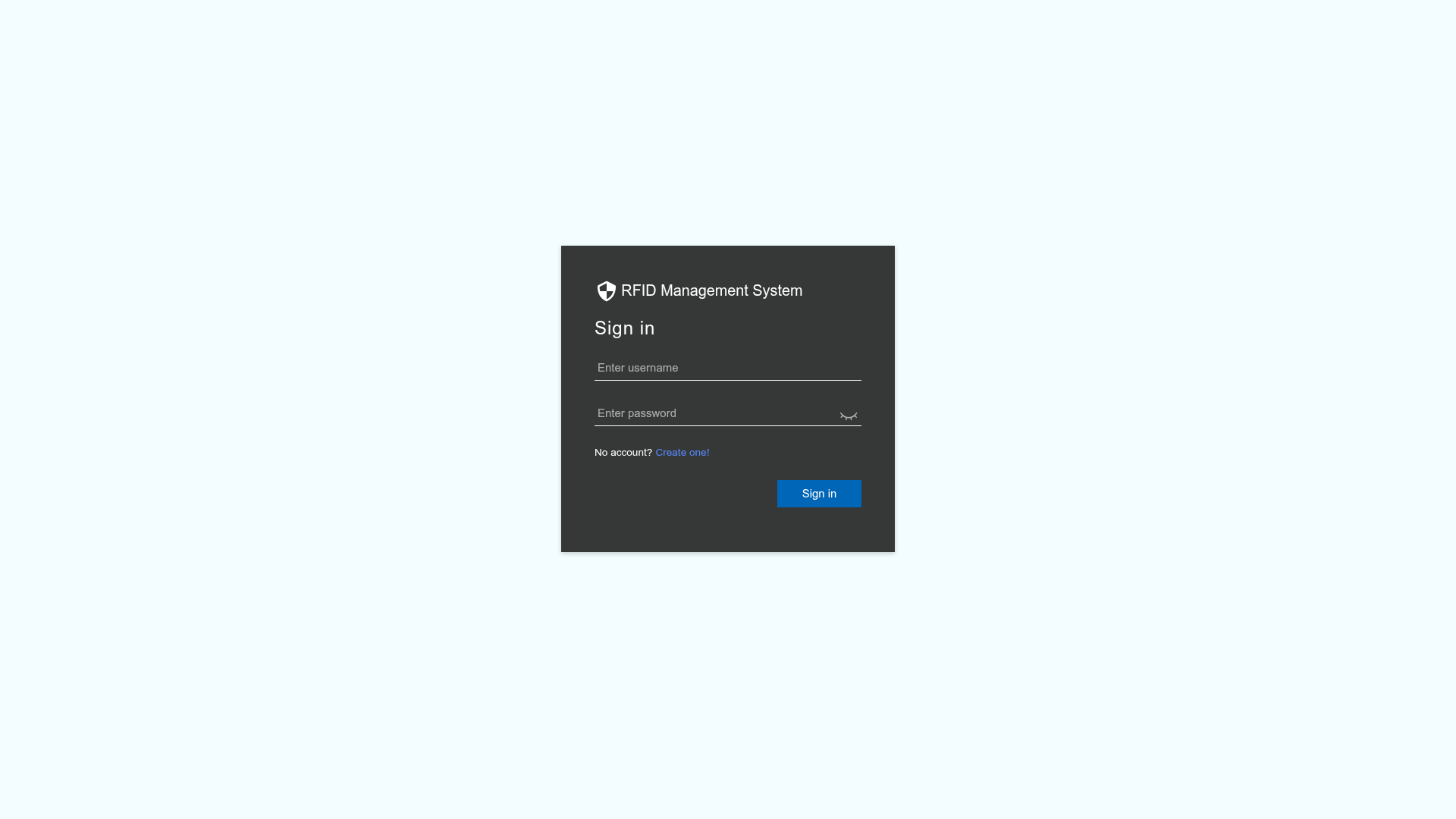
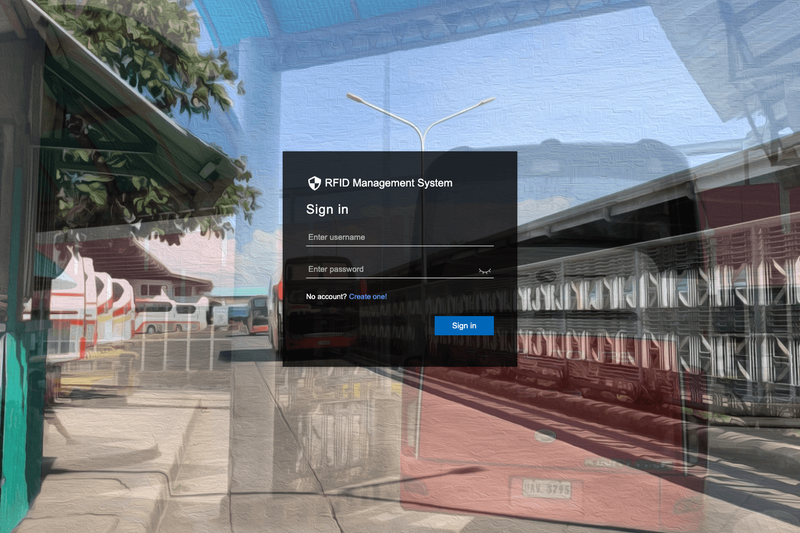
- Next.js admin dashboard — includes Login, Authenticated RFID Cards, Data Analytics, Bus Departed Records, Compute Revenue, and Saved Billing Statements pages.
Who is it for?
- University engineering students — use this as a reference implementation for an RFID-based automated toll system thesis project.
- Public transport terminal operators — deploy the system to automate bus alley payments, gate access, and revenue computation.
- IoT developers — study the hardware-software integration pattern between an ESP32 fleet and a Next.js web dashboard.
What can you do with it?
- Transportation administrators: manage a registry of authenticated RFID cards and revoke access through the dashboard's Authenticated RFID Cards page.
- Terminal accountants: compute revenue for a period using the Compute Revenue page and save billing statements as files.
- Operations managers: track bus departures and review the Data Analytics page to understand alley usage trends.
- Students and researchers: extend the hardware layout (documented pin tables are included for every module) or the dashboard pages as part of a final-year project.
FAQ
What microcontroller does the system use?
The system uses an ESP32 WROOM 32 (NodeMCU) as its main controller. It connects to two MFRC522 RFID readers, a servo motor, an ultrasonic sensor, an I2C LCD, an SD card module, a relay, and a thermal printer.
Which RFID card is supported?
The project uses MIFARE 1KB Classic RFID cards, which are read by the MFRC522 reader modules. The readers are wired with specific pins to the ESP32, and the dashboard has a page to manage authenticated card IDs.
What dashboard pages are included?
The Next.js dashboard includes a Login page, an Authenticated RFID Cards page, a Data Analytics page, a Bus Departed Records page, a Compute Revenue page, and a Saved Billing Statements Files page.
How is the toll gate barrier controlled?
A servo motor connected to GPIO 25 of the ESP32 opens and closes the barrier. A relay on GPIO 13 controls a magnetic contactor, and an ultrasonic sensor with trigger on GPIO 26 and echo on GPIO 27 detects vehicle presence to drive the automation.