Newsletter
Join the Community
Subscribe to our newsletter for the latest news and updates

A modern, feature-rich Hexo theme with card design, dark mode, and dozens of integrations.
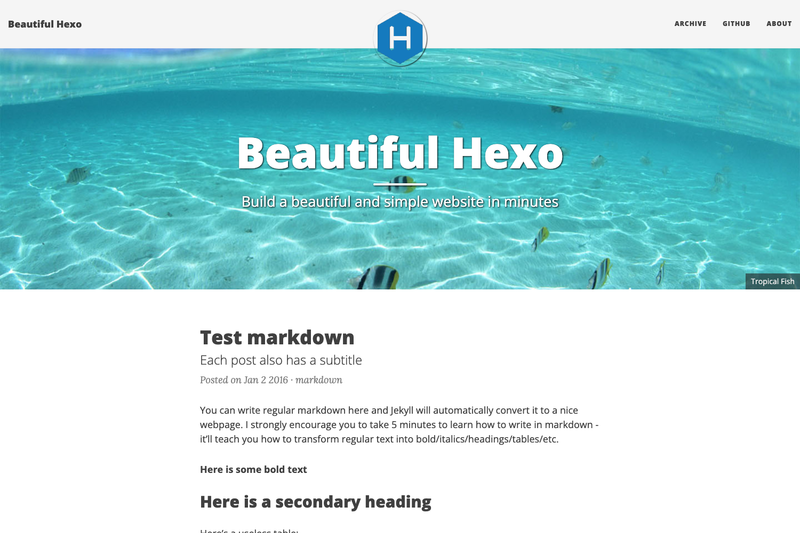
A simple elegant Hexo blog theme ported from Beautiful-jekyll.
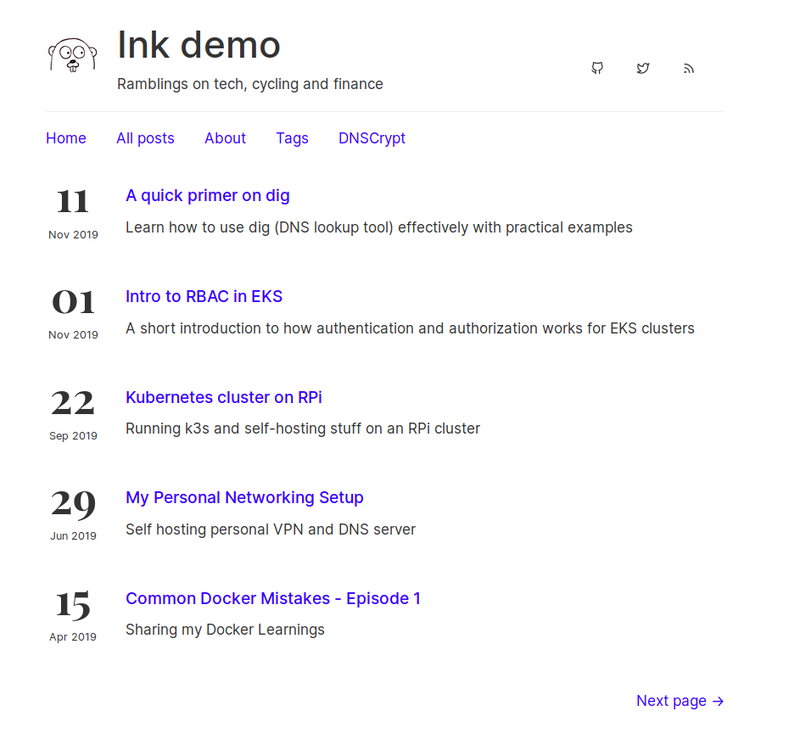
Crisp, minimal personal website and blog theme for Hugo, forked from Ezhil.
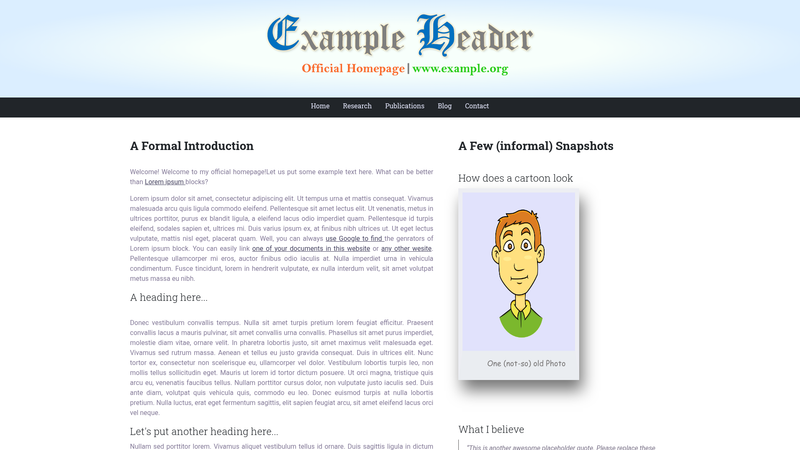
Minimal Hugo blog theme built with Bootstrap 5, featuring LaTeX support, Disqus comments, and SEO-friendly templates.
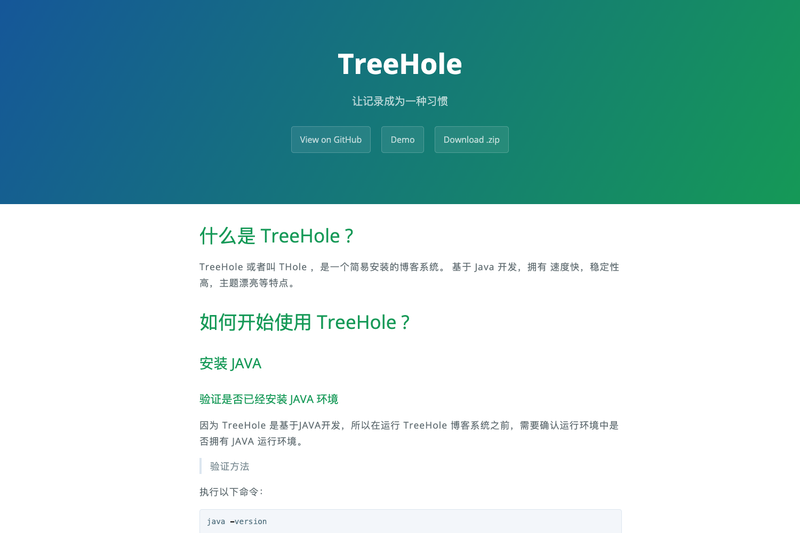
A self-hosted blog system built with Spring Boot and Jekyll themes, offering an admin backend, visitor statistics, and Docker deployment.
Butterfly is a modern, feature-rich theme for Hexo static site generators that turns markdown source files into a card-based, responsive blog with dark mode and dozens of optional integrations. Maintained by Jerryc127 under the Apache 2.0 license, it has over 8,000 GitHub stars and is one of the most widely adopted Hexo themes.
Butterfly is a Hexo theme that takes your markdown posts and renders a two-column, card-style blog with dark mode, a built-in 404 page, and customizable rounded or square corners. It runs on Hexo 5.3.0 and newer, uses pug templates and stylus stylesheets, and can be installed by cloning the master or dev branch from GitHub or by running npm install hexo-theme-butterfly (npm requires Hexo 5.0.0+). After installation you set theme to butterfly in _config.yml and install the hexo-renderer-pug and hexo-renderer-stylus packages.
Butterfly is installed by cloning the repository into the themes directory or using npm, then specifying theme: butterfly in the Hexo _config.yml. After installing the pug and stylus renderers, Hexo's normal generate command compiles the theme's templates and your markdown into a static HTML site. The dev branch offers early access to new features while the master branch provides a stable release.
Yes, Butterfly is open source and distributed under the Apache 2.0 license, so it can be used for personal or commercial blogs without licensing fees.
Yes, dark mode is a built-in feature that gives an eye-friendly night-time color scheme. You can enable or configure it from the theme settings.
At minimum you need hexo-renderer-pug and hexo-renderer-stylus. The npm installation method only works with Hexo 5.0.0 and above; the git clone method works with earlier versions as well.
Butterfly supports Disqus, Gitalk, Valine, Waline, Twikoo, Giscus, Artalk, and more. It also allows enabling two comment systems simultaneously, so readers can choose their preferred service.
Yes, live demos are available at butterfly.js.org and blog.crazywong.com. The project documentation is hosted at butterfly.js.org with both English and Chinese versions.