Newsletter
Join the Community
Subscribe to our newsletter for the latest news and updates

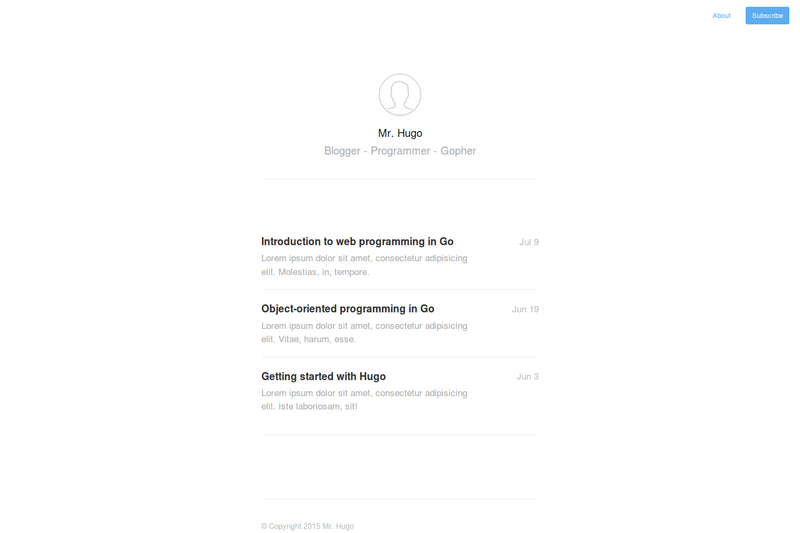
A minimalistic Hugo theme for bloggers with Disqus comments, an about page, and RSS support.
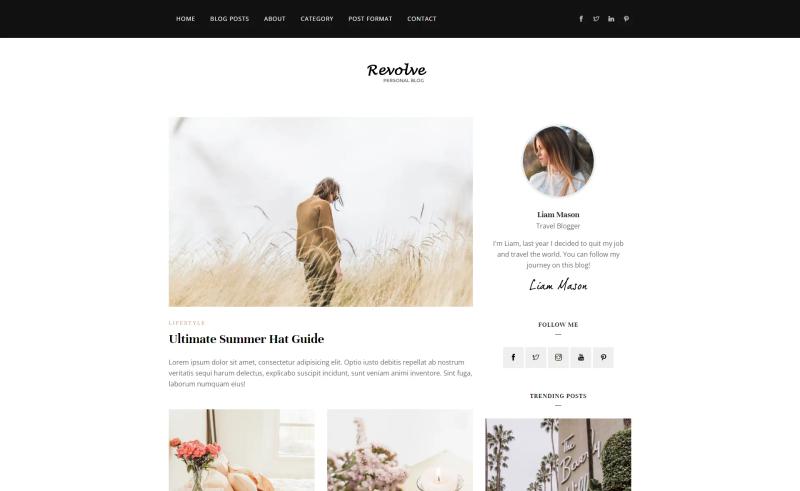
Free responsive blogging website template with Bootstrap 4, 18 HTML pages, 6 homepage designs, and multipurpose blog layouts.
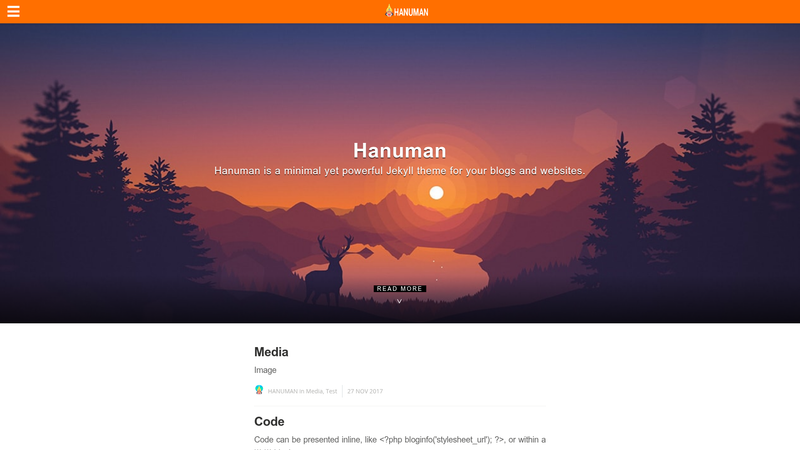
A minimal, AMP-powered Jekyll theme for fast blogs and websites.
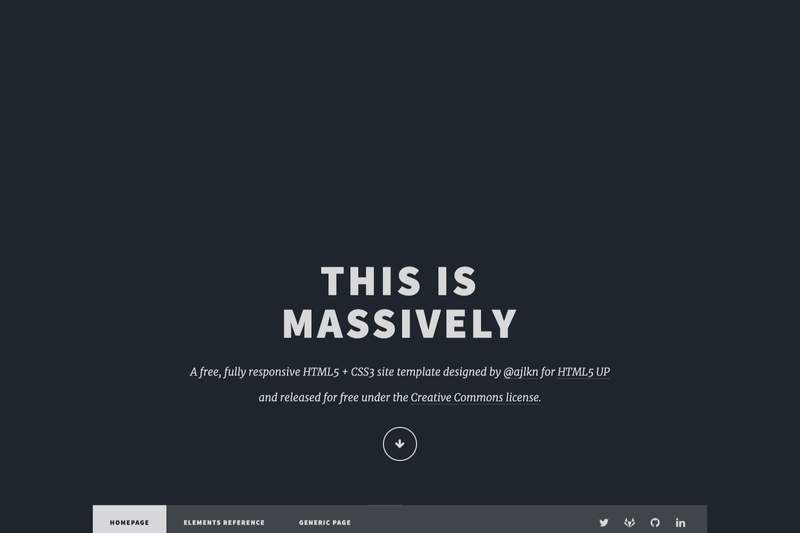
A Jekyll version of HTML5 UP's Massively theme with Formspree contact form and configurable social profiles.
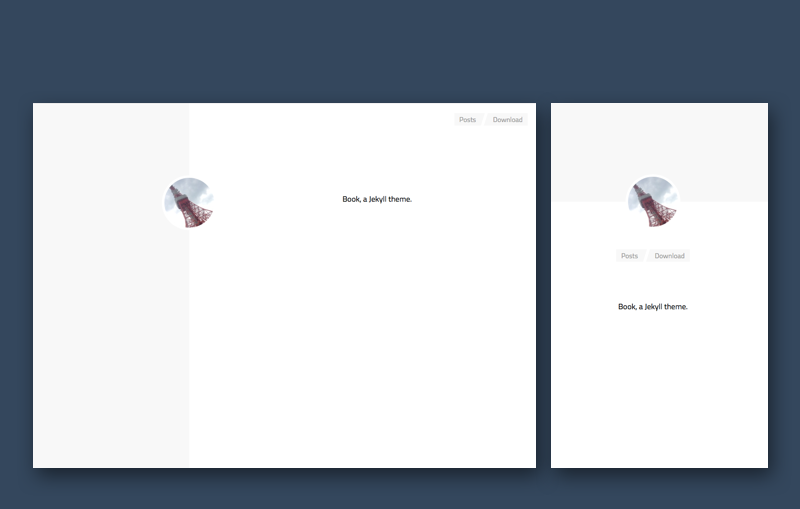
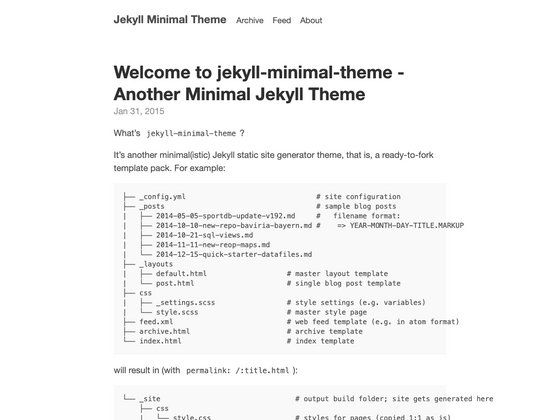
A simple, ready-to-use Jekyll theme for blogging with GitHub Pages deployment.
Cactus is a minimalistic Hugo theme for bloggers that ports the classic Cactus design to Hugo, bundling Disqus comments, a customizable about page, RSS support, and syntax highlighting into a single clean layout.
Cactus is a minimalistic theme for the Hugo static site generator, built as a port of Nick Balestra's Cactus theme for Jekyll, which itself derives from the default theme of the Python-based Cactus static site generator. It takes Markdown content from a Hugo site and renders a blog with an about page, social links, and post-specific sharing options. The theme is maintained in the digitalcraftsman/hugo-cactus-theme repository on GitHub and is released under the MIT license.
Cactus is suited for bloggers who want a simple, content-focused site and are comfortable configuring a static site generator. Developers using Hugo will appreciate the straightforward config.toml setup and the ability to theme a personal blog without extra build tools. It also appeals to users migrating from the Jekyll Cactus theme who want the same visual style in the Hugo ecosystem.
Installation is straightforward: clone the repository into your Hugo site's themes directory, copy the exampleSite/config.toml to the root of your site, and update the themesDir property. Then run the built-in Hugo server to preview the site at localhost:1313.
Cactus is free and open source, released under the MIT license. There are no paid tiers or activation fees.
The original Hugo Cactus theme is no longer maintained, as stated on the GitHub page. A maintained fork, hugo-theme-cactus-plus, is available at github.com/nodejh/hugo-cactus-theme-plus.
Clone the repository into your themes folder with the command: git clone https://github.com/digitalcraftsman/hugo-cactus-theme.git. Then copy the config.toml from the exampleSite folder to your Hugo site root and adjust the themesDir property.
Add your Disqus shortname to the config.toml file inside the Disqus section. The theme will display the Disqus comment widget on your blog posts.
Yes, the footer social icons accept either Font Awesome or Mono social icons. Set the iconFont variable in config.toml to either font-awesome or mono-social, and define your social links in the social block.