Newsletter
Join the Community
Subscribe to our newsletter for the latest news and updates

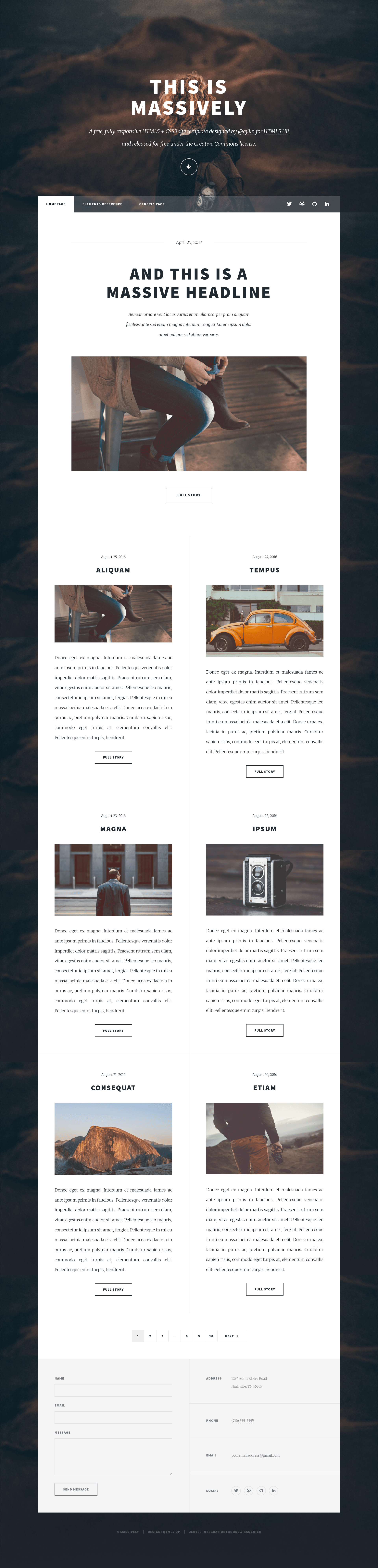
A Jekyll version of HTML5 UP's Massively theme with Formspree contact form and configurable social profiles.
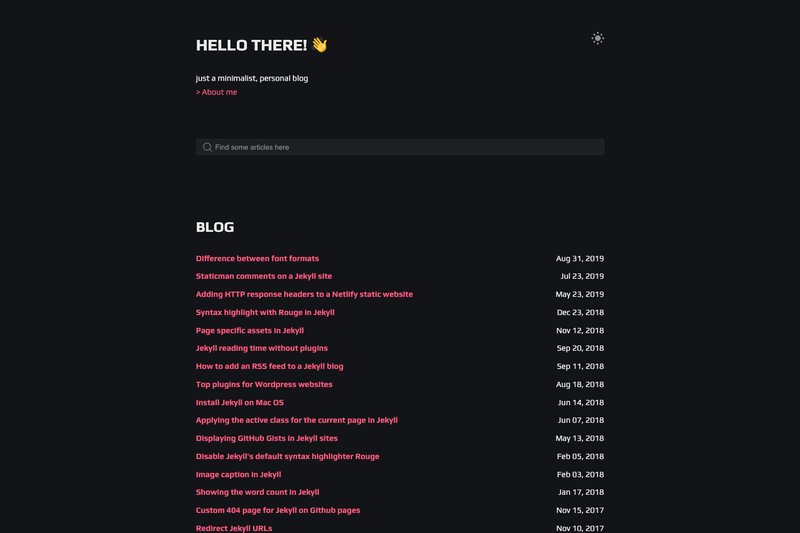
Gesko is a simple and minimalistic jekyll blogging theme.
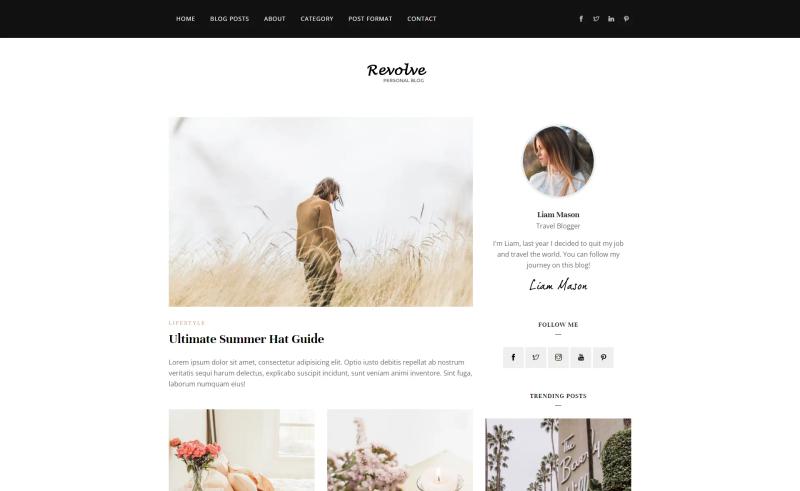
Free responsive blogging website template with Bootstrap 4, 18 HTML pages, 6 homepage designs, and multipurpose blog layouts.
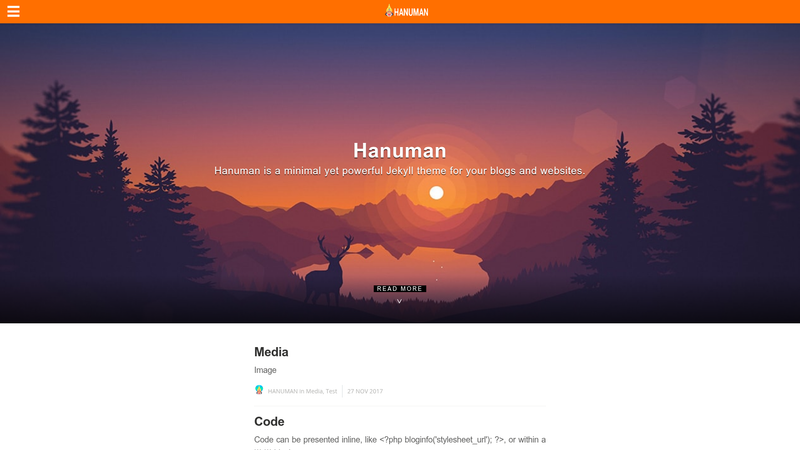
A minimal, AMP-powered Jekyll theme for fast blogs and websites.
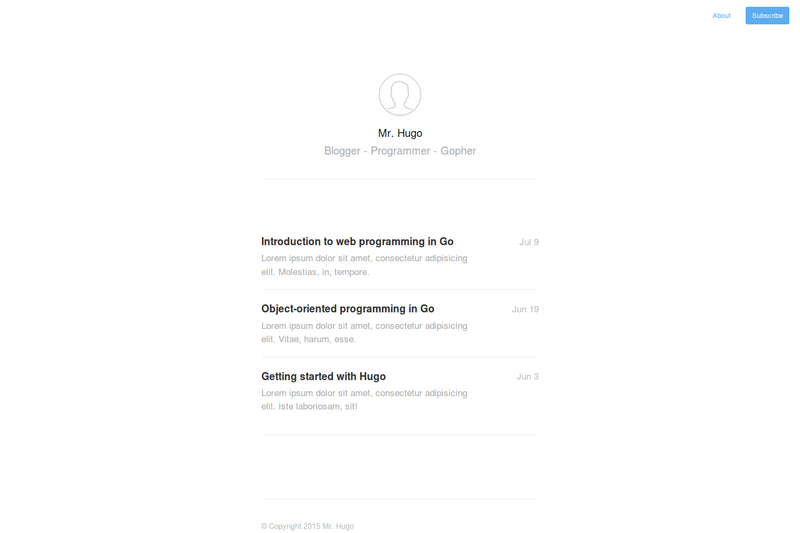
A minimalistic Hugo theme for bloggers with Disqus comments, an about page, and RSS support.
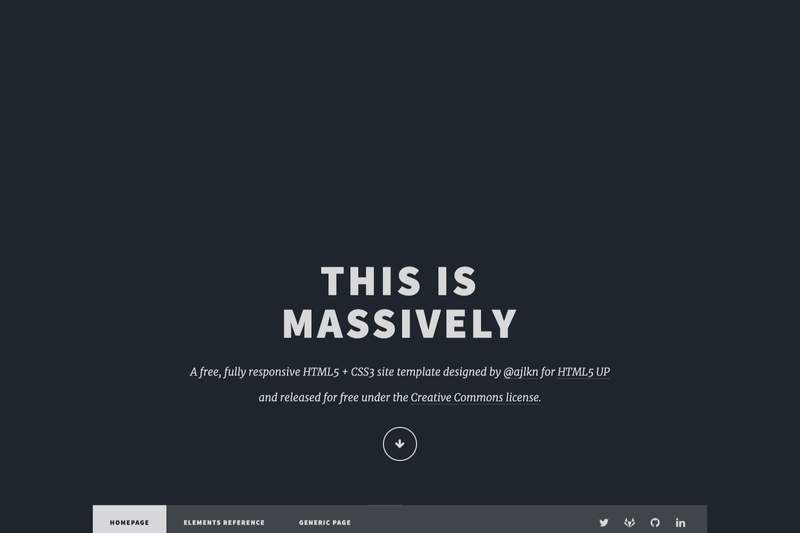
Massively Jekyll Theme is a Jekyll port of HTML5 UP's Massively template that produces text-heavy, article-oriented static sites with a full-screen parallax background image and scroll effects.
Massively Jekyll Theme is a Jekyll theme that converts Jekyll posts and pages into a text-focused website layout originally designed by HTML5 UP. It takes _config.yml settings and front matter (including featured images) as input and generates a static HTML site ready for deployment on GitLab Pages or GitHub Pages. The theme is maintained by Andrew Banchich, with the original HTML5 UP design by AJ (ajlkn). It is distributed free for personal and commercial use under the CCA 3.0 license.
_config.yml, so the contact form works without building a backend._config.yml; only the profiles you enter appear in the site footer.gh-pages branch to deploy._config.yml and the Formspree integration handles form submissions.To use the theme, fork the repository on GitLab (or on GitHub and create a branch named gh-pages), then edit _config.yml to set your site details, social profile URLs, and your Formspree email address. Existing Jekyll knowledge of front matter and posts is recommended; the README links to Jekyll's docs on front matter, posts, and pages.
The theme is free for personal and commercial use under the CCA 3.0 license, as stated in the original HTML5 UP README. No paid tier is mentioned.
Yes, it is free for personal and commercial use under the CCA 3.0 license. You can fork and use it without a paid license, though the original design requires retaining the license notice.
Fork the repository and create a branch named gh-pages, then edit _config.yml. The README notes the GitHub repository is a mirror of the GitLab repo, so issue tracking happens on GitLab.
Add your email address to _config.yml. The included Formspree.io integration activates the form without needing a custom backend or server-side code.
The scroll effects rely on jQuery plugins, including Scrollex, and Font Awesome icons are used for social buttons, so JavaScript must be enabled for those interactions.
The README recommends reading Jekyll's documentation on front matter, posts, and pages before use. Basic familiarity with Jekyll's _config.yml and post file format is expected.