Newsletter
Join the Community
Subscribe to our newsletter for the latest news and updates

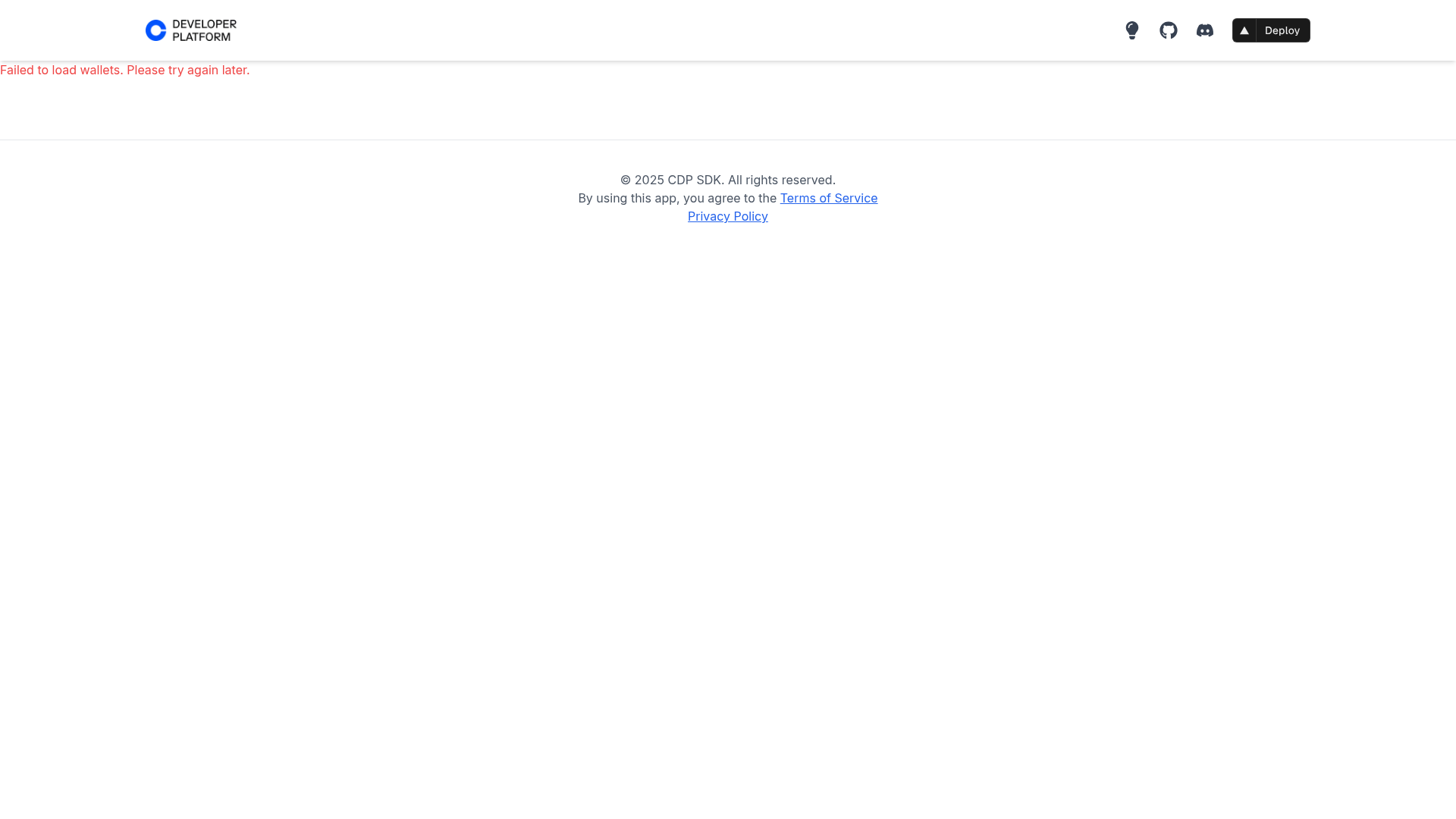
Wallet manager dashboard built with Coinbase Developer Platform to create and manage wallets, track balances, and fund wallets.
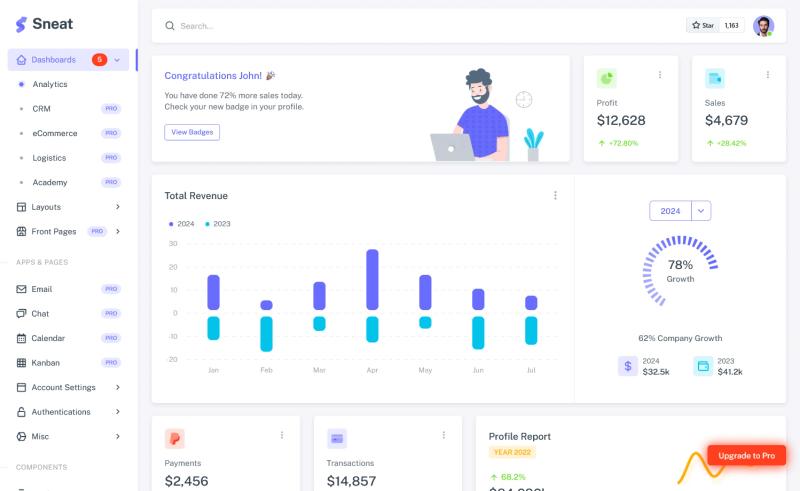
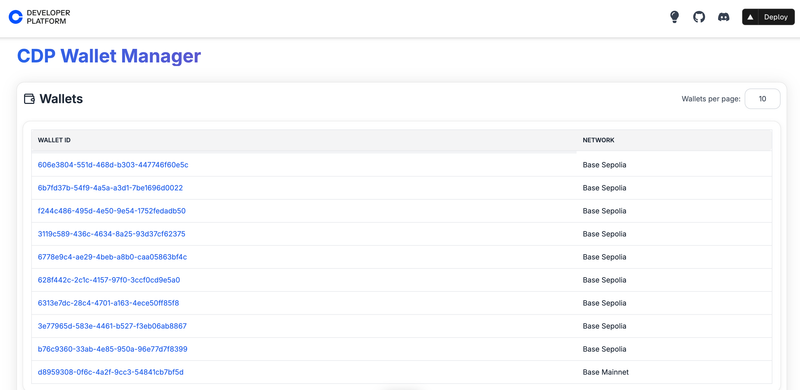
Free Bootstrap 5 HTML5 admin dashboard template with 42 pages, built-in authentication pages, and a vertical layout.
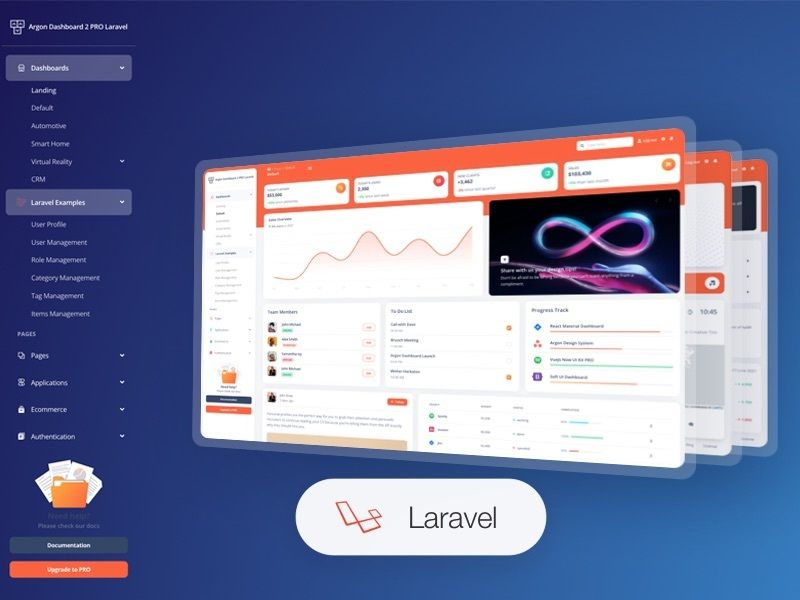
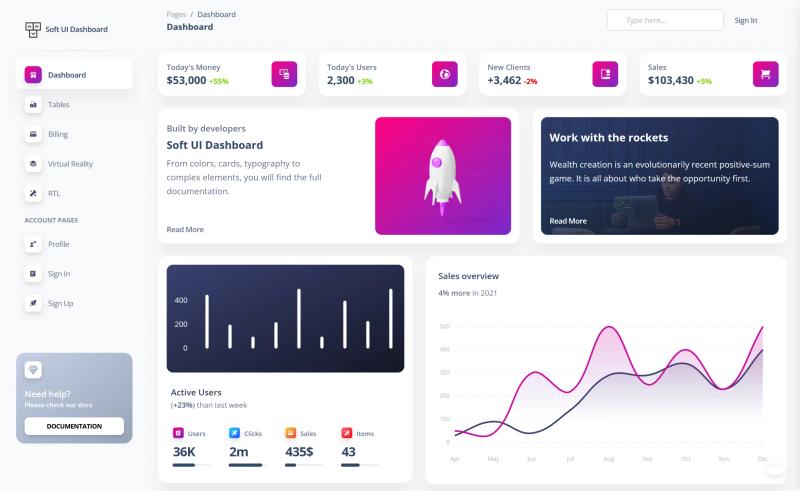
Premium Laravel admin dashboard with role-based access, authentication, and CRUD management
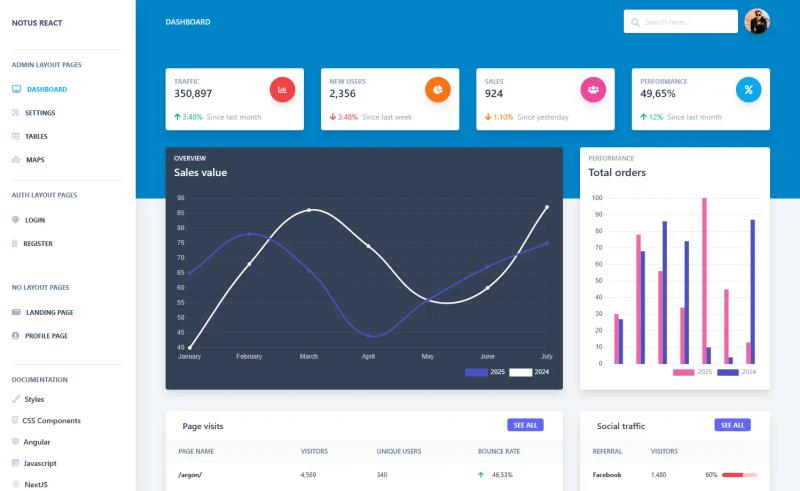
Free React and Tailwind CSS admin dashboard UI kit with charts, authentication pages, and a landing page.
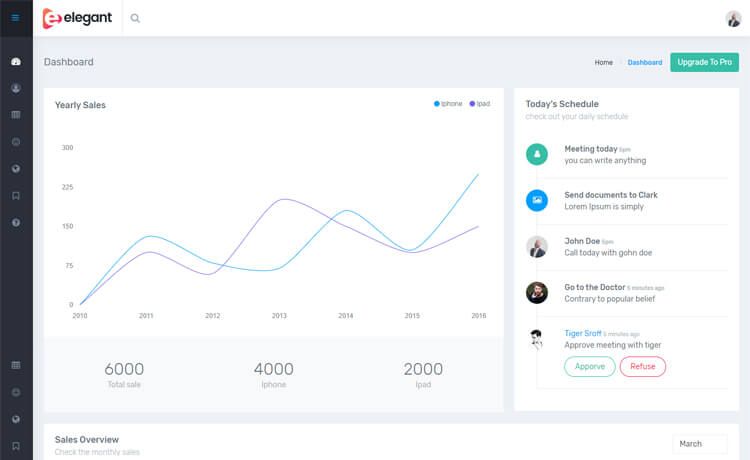
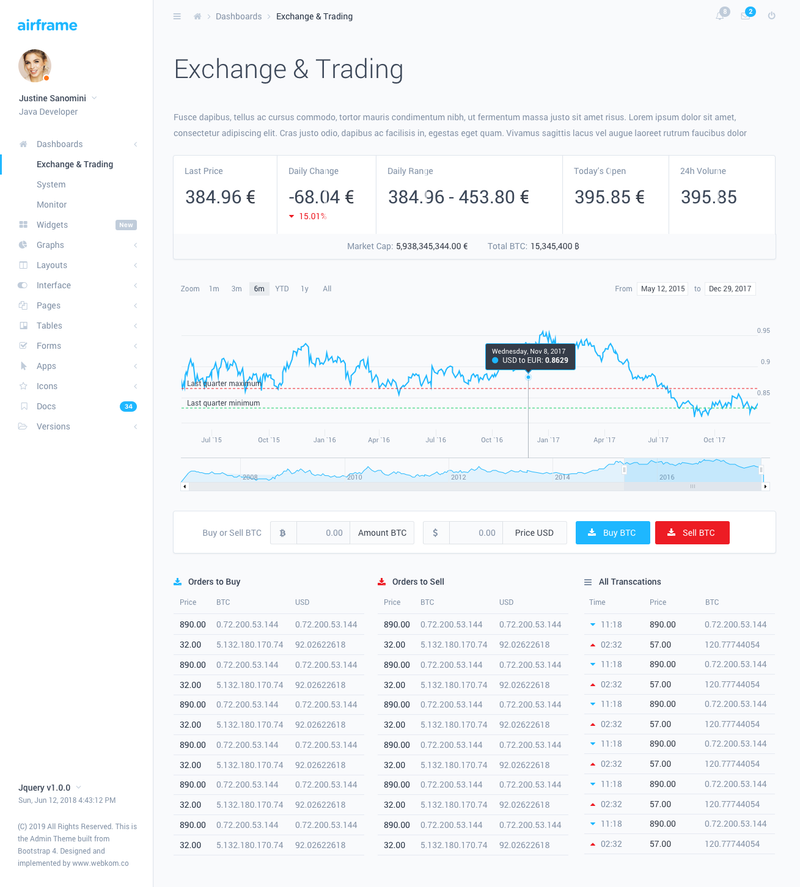
Free Bootstrap 4 HTML5 dashboard template with a clean, minimal design for admin panels, backends, and ecommerce dashboards.
CDP Wallet Manager is an open-source Next.js web application that demonstrates the Coinbase Developer Platform (CDP) SDK by providing a working dashboard for creating and managing MPC wallets. It is maintained by Coinbase and is available on GitHub under the coinbase/cdp-wallet-manager repository.
CDP Wallet Manager is a full-stack Next.js (App Router) application that wraps the Coinbase Developer Platform SDK in a user interface. It takes CDP API credentials, an encryption key, and a Postgres connection string as configuration, and produces a live dashboard where you can create MPC wallets, generate addresses, track balances, and send transfers. The project demonstrates real CDP SDK calls and stores wallet data in Vercel Postgres via Prisma.
The setup process is documented in the README: get an API key from the CDP portal, generate a 32-byte hex encryption key with openssl rand -hex 32, set the environment variables (CDP_API_KEY_NAME, CDP_API_KEY_SECRET, ENCRYPTION_KEY, POSTGRES_URL, NEXT_PUBLIC_CDP_PROJECT_ID), then run npm run db:up to start Postgres and npm run db:setup to apply the Prisma schema. Finally, npm run dev starts the app at http://localhost:3000. The README explicitly warns that the application has no built-in authentication, so an auth layer must be added before any production deployment.
Yes. You must create an API key at the CDP portal (https://portal.cdp.coinbase.com/). The app uses the key name and secret to authenticate with the Coinbase Developer Platform SDK.
The encryption key (generated with openssl rand -hex 32) is used to secure the private keys stored in Vercel Postgres. It is a required environment variable and is critical for protecting wallet secrets at rest.
No. The README explicitly states that the application does not have built-in authentication. You should add an authentication layer before deploying to production. The app otherwise supports one-click deployment to Vercel with configured environment variables.
The app includes testnet faucet integration, which lets you request funds for addresses from testnet faucets directly in the UI during development and testing.
The setup uses Vercel Postgres. A local Postgres instance can be started with Docker using the command in the README, and the Prisma schema is applied with npm run db:setup.