Newsletter
Join the Community
Subscribe to our newsletter for the latest news and updates

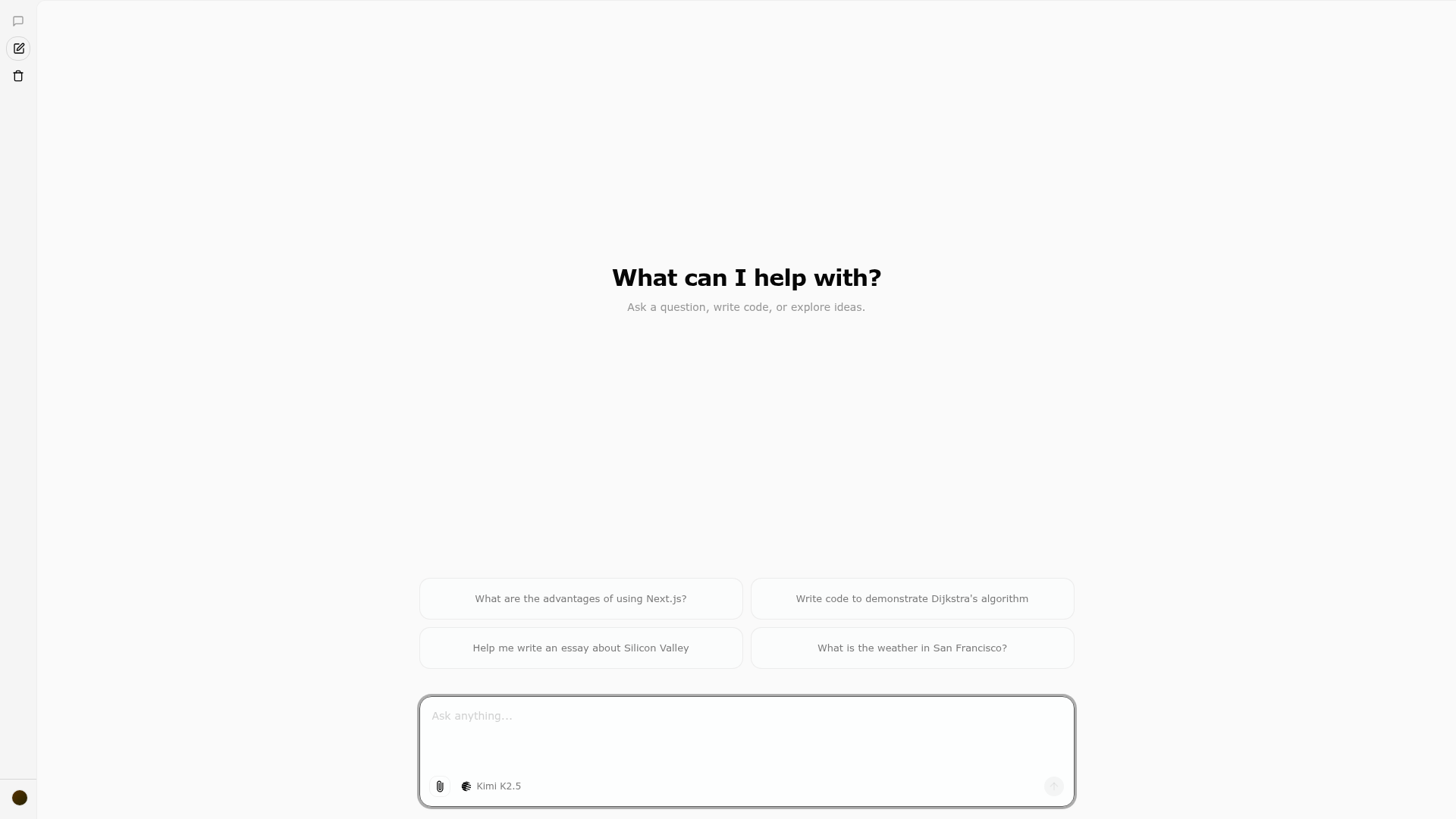
A free, open-source Next.js chatbot template from Vercel built with the AI SDK, shadcn/ui, and Neon Postgres.
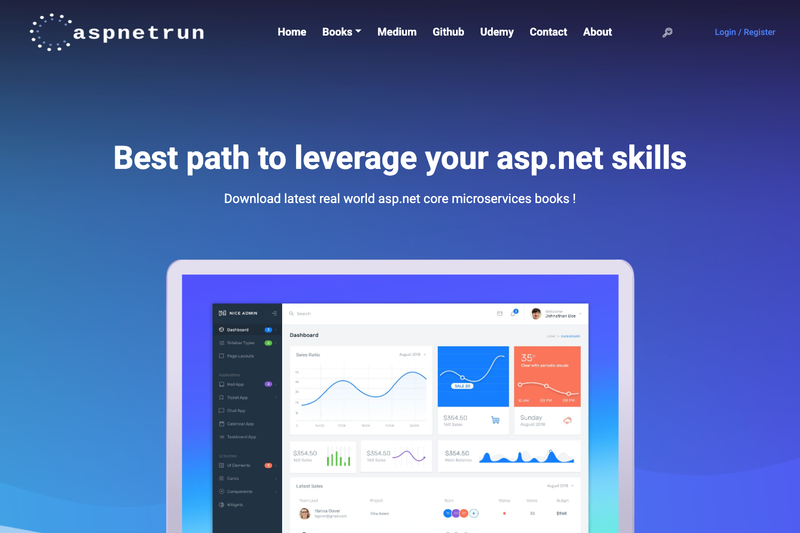
One-solution, one-project ASP.NET Core boilerplate for a basic e-commerce web app with Razor Pages, EF Core, and Identity.
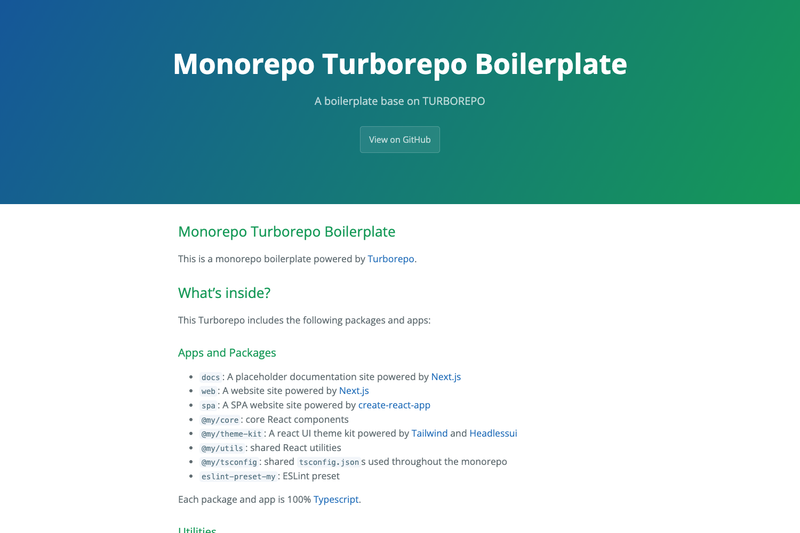
A Turborepo monorepo boilerplate with a Next.js app, shared React UI library, Tailwind CSS, and preconfigured ESLint and TypeScript settings.
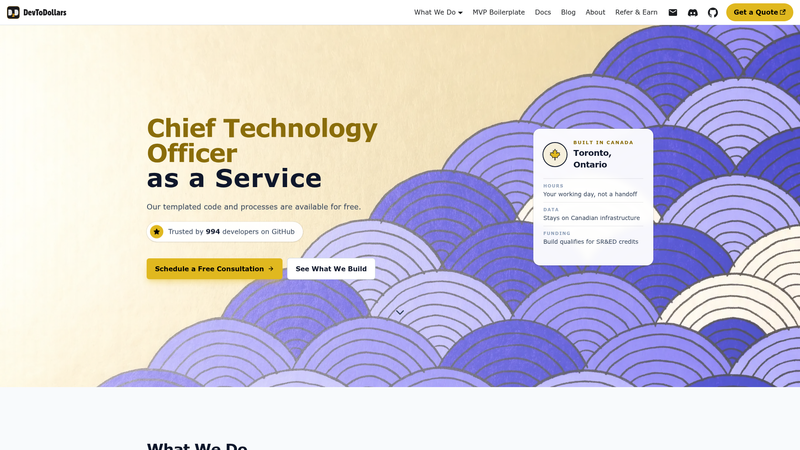
A mobile and/or web boilerplate that covers all your MVP needs
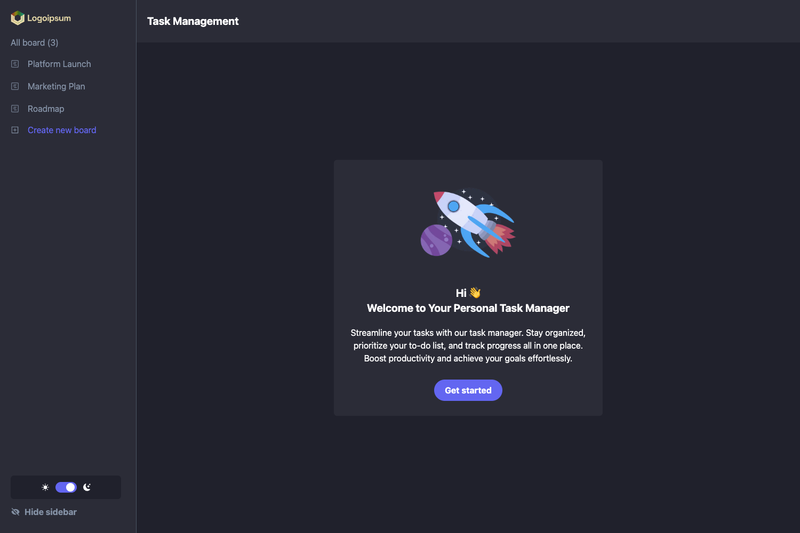
Next.js kanban board template with Joy UI, Effector, React Hook Form, and Yup for task management.
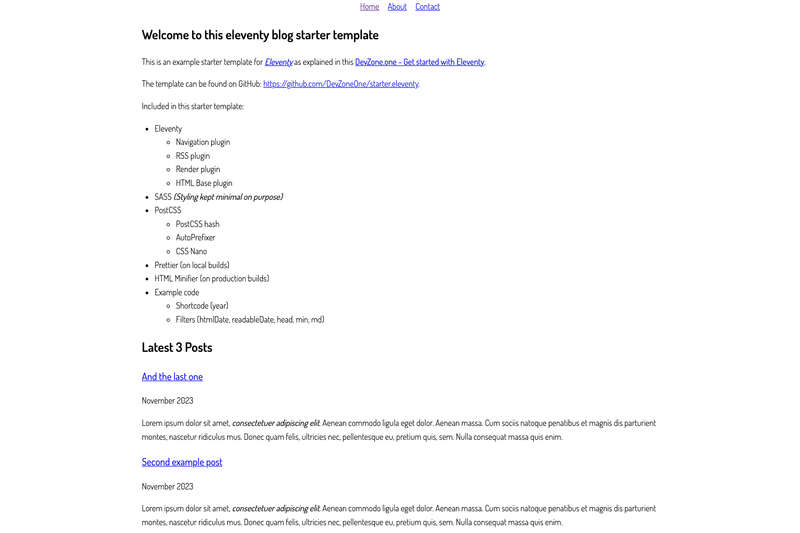
Archived Eleventy 3 starter template with Liquid templates, SASS, PostCSS, RSS and navigation plugins.
Chatbot is a free, open-source template built by Vercel that gives developers a production-ready starting point for AI chat applications using Next.js and the AI SDK.
Chatbot (formerly AI Chatbot) is a free, open-source template built by Vercel that provides a complete Next.js application for building LLM-powered chat interfaces. It accepts user text messages as input and streams responses from configured language models, while persisting chat history and user data to Neon Serverless Postgres and storing files in Vercel Blob. The template runs on the Next.js App Router, supports deployment to Vercel via a one-click button, and is configured entirely through environment variables defined in .env.example.
lib/ai/models.ts.After cloning the repository, you install the Vercel CLI, run vercel link to connect your local setup, and vercel env pull to fetch environment variables. Then execute pnpm install, pnpm db:migrate to set up the database, and pnpm dev to start the app on localhost:3000. For non-Vercel deployments, you must set the AI_GATEWAY_API_KEY environment variable manually.
The template itself is free and open source, with no licensing cost. You are responsible for costs from the underlying services: Neon Serverless Postgres, Vercel Blob, and the LLM tokens consumed by your configured model providers.
Yes, Chatbot is a free, open-source template. You pay only for the external services you use, such as Neon Postgres, Vercel Blob, and API calls to the LLM providers.
Out of the box, the template uses the Vercel AI Gateway to support Mistral, Moonshot, DeepSeek, OpenAI, and xAI. It can also be switched to direct providers like Anthropic and Cohere by modifying the AI SDK setup.
No. You can run it locally with any environment variables, but the recommended workflow uses Vercel CLI and Vercel Environment Variables. For non-Vercel deployments, set AI_GATEWAY_API_KEY in .env.local.
Use the "Deploy with Vercel" button on the template page, which creates a new Vercel project with the repository and environment variables preconfigured. You can then connect your own database and model provider keys.