Newsletter
Join the Community
Subscribe to our newsletter for the latest news and updates

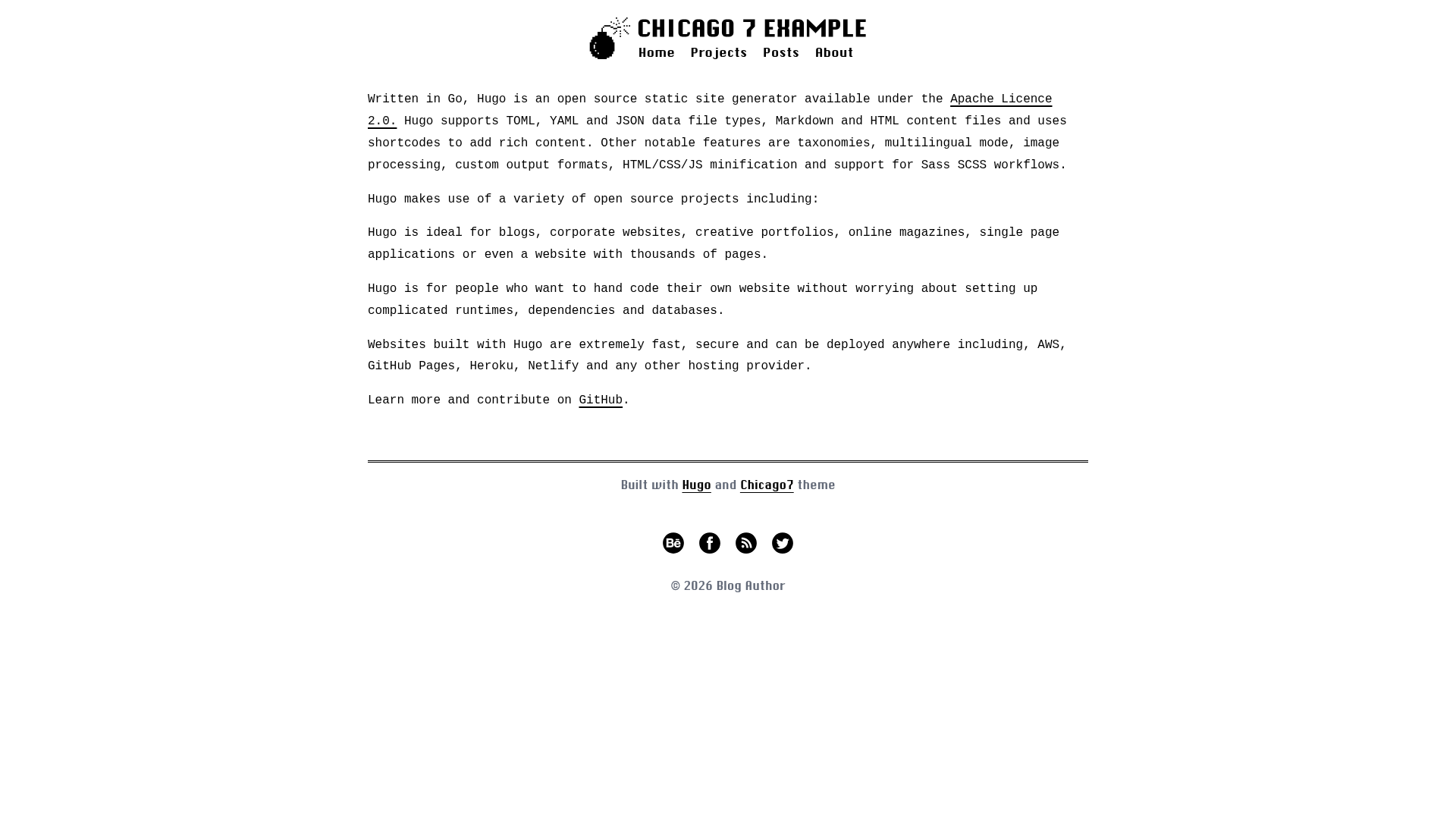
A minimal, zero-JS Hugo theme with a retro Apple System 7 aesthetic built on PicoCSS.
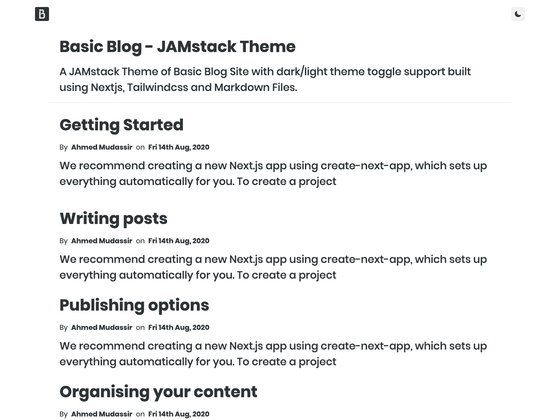
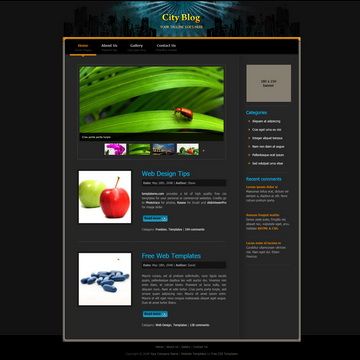
A JAMstack blog theme built with Next.js and Tailwind CSS, featuring a dark/light toggle and Markdown content.
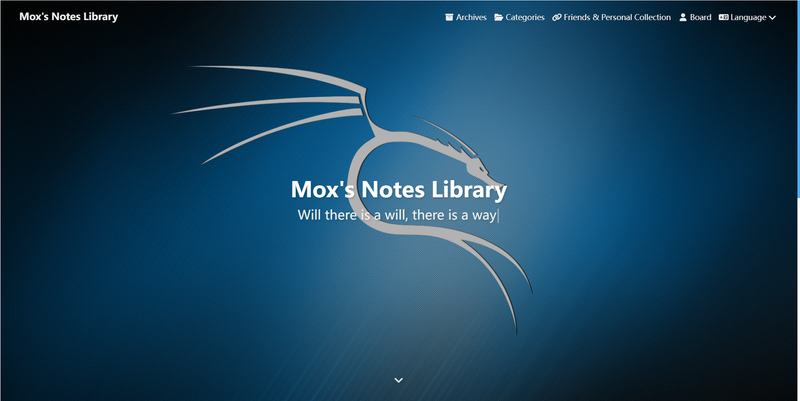
An Astro v6 blog theme inspired by hexo-theme-butterfly, with bilingual support, Pagefind search, PWA, and Waline comments.
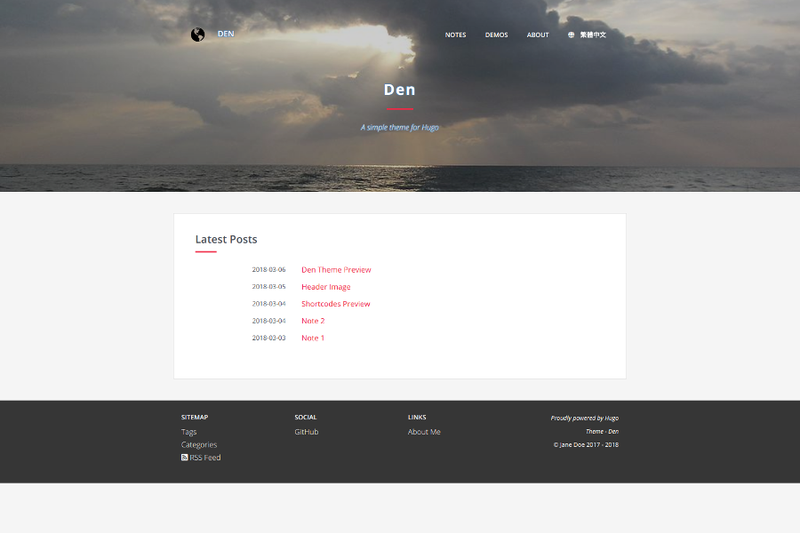
A simple, responsive Hugo blog theme ported from the Nest Pelican theme, with Bootstrap 4 and i18n support.
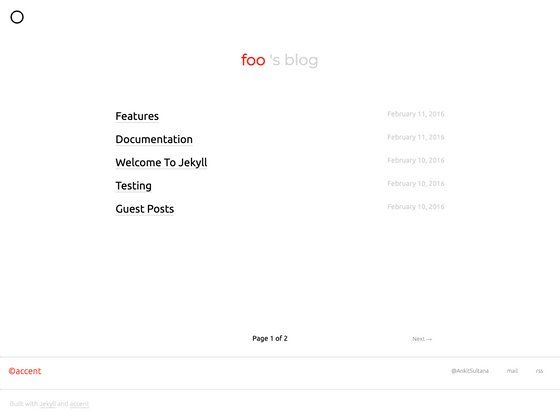
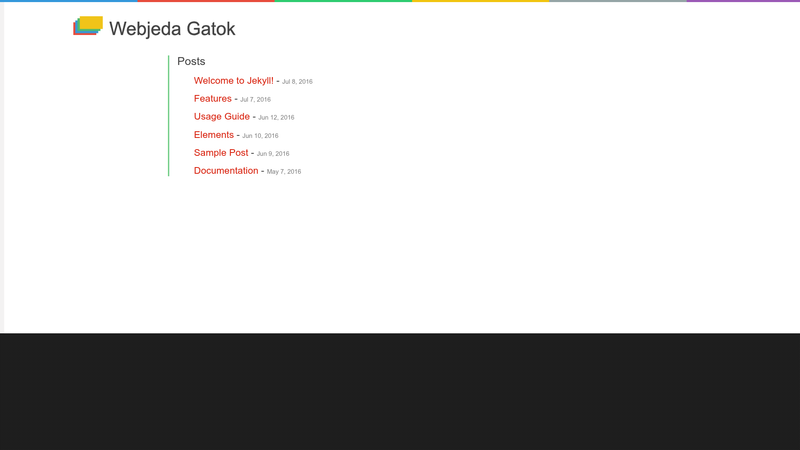
A single accent, single column Jekyll theme for minimal blogs and portfolios.
Chicago 7 is a minimal, zero-JavaScript Hugo theme that recreates the look and feel of Apple System 7 with a monospaced Chicago-style font, designed for blogs and personal sites.
Chicago 7 is a Hugo theme for static websites, developed by akopdev and available on GitHub. It takes Markdown content and Hugo configuration as input and produces a fully static, responsive website with light/dark mode and semantic HTML output. The theme runs on Hugo, requires version 0.90.0 or newer, and is listed on the Hugo Themes directory. A live demo is available at https://akop.dev/hugo-theme-chicago7.
git submodule add https://github.com/akopdev/hugo-theme-chicago7.git themes/chicago7) or imported as a Hugo module through the theme array in hugo.toml.hugo.toml, and generate a static site that loads instantly without client-side scripts.Install the theme by cloning it into the themes/ directory or by importing it as a Hugo module in hugo.toml. Then set the theme name in your configuration and run hugo server to see your content styled with the System 7 look. Social links and other options are set through fields in the configuration file, and the theme's templates render your Markdown files into static HTML.
Yes, the theme is open source and listed on the Hugo Themes site, so you can use it for personal or commercial projects. The source is freely available on GitHub.
No. The theme is intentionally zero JavaScript; all features like dark mode switching and responsive behavior are implemented with pure CSS and HTML.
Create a new Hugo site (hugo new site my-blog), initialize a Hugo module (hugo mod init), then add theme = ['github.com/akopdev/hugo-theme-chicago7'] to hugo.toml and run hugo server. The README provides this full example.
The theme supports Behance, Goodreads, Dribbble, Facebook, Feed, GitHub, Google+, Instagram, LinkedIn, Pinterest, Soundcloud, Twitter, Vimeo, and YouTube — 15 platforms in total, configured via your hugo.toml.