Newsletter
Join the Community
Subscribe to our newsletter for the latest news and updates

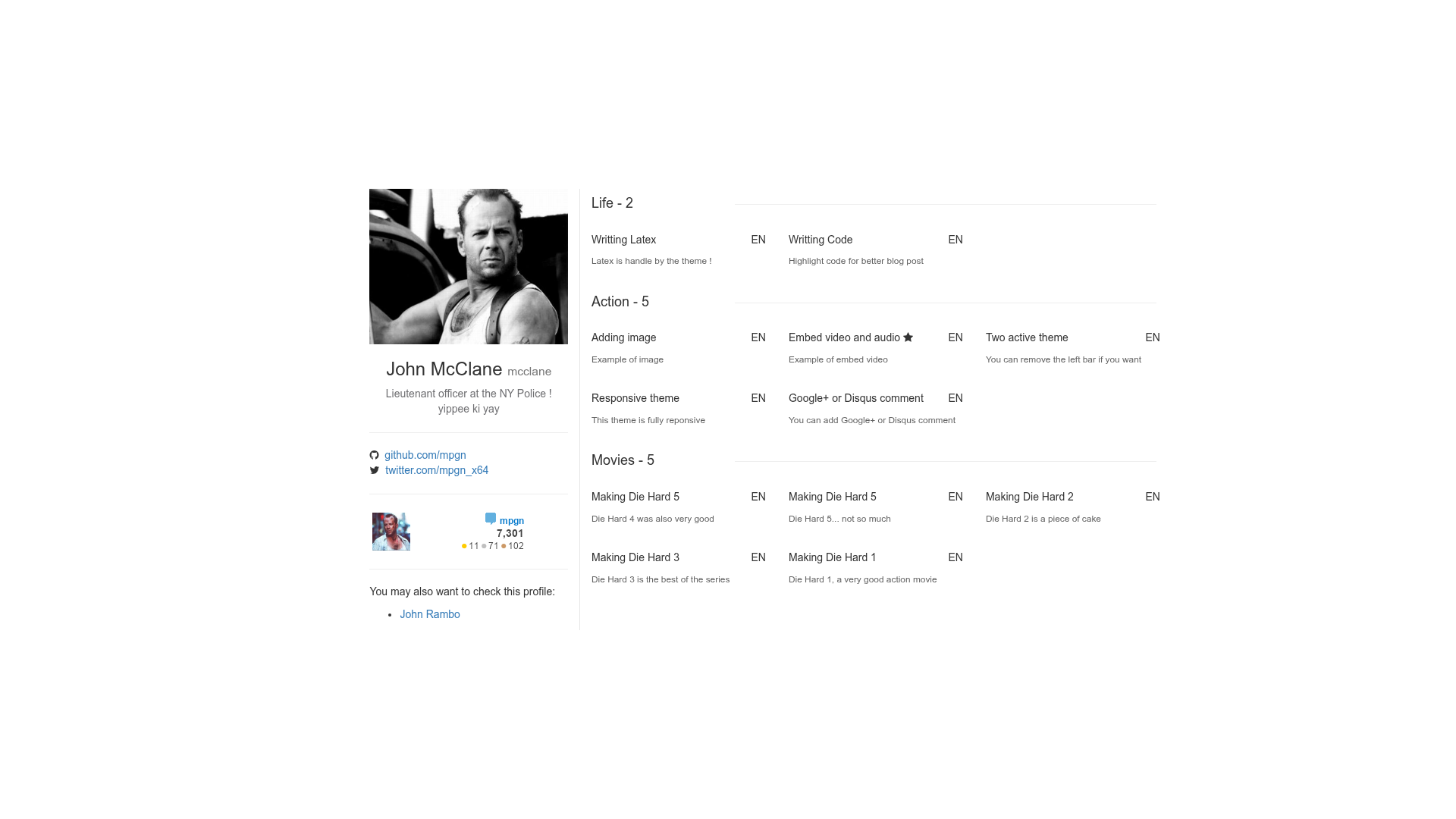
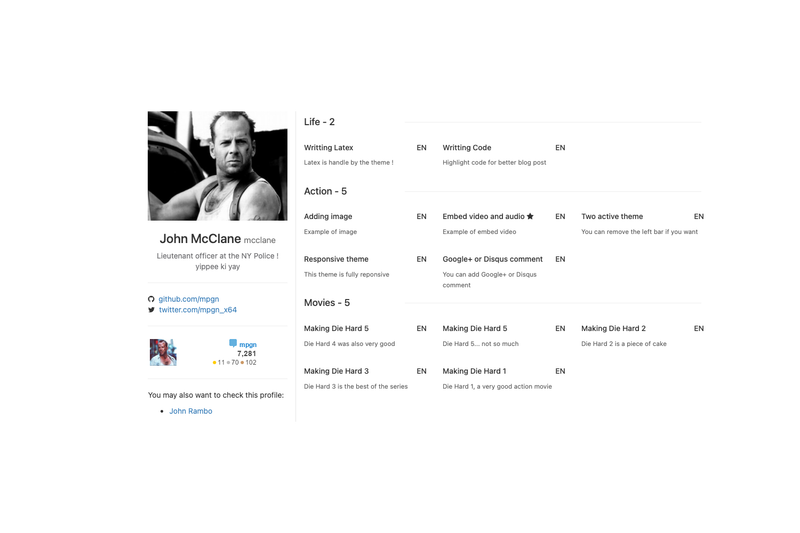
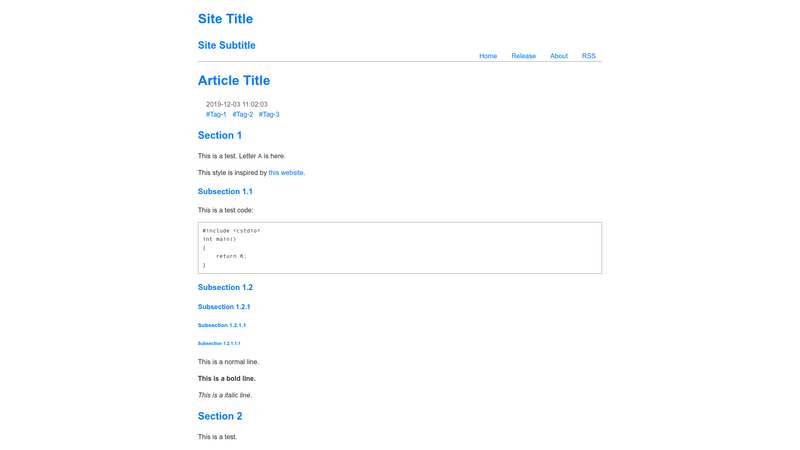
A free, responsive Jekyll theme for Markdown blogging with two layouts, LaTeX support, syntax highlighting, and GitHub Pages deployment.
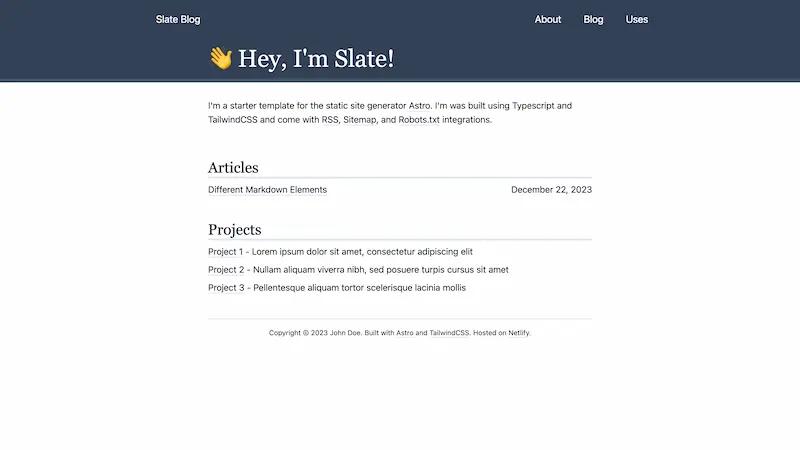
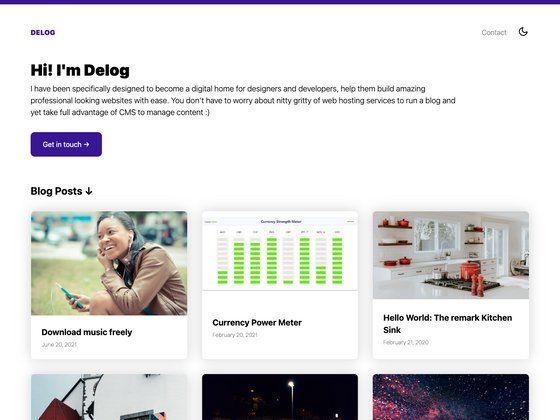
A minimal blog starter for Astro with Tailwind CSS, RSS, sitemap, robots.txt, and Markdown support.
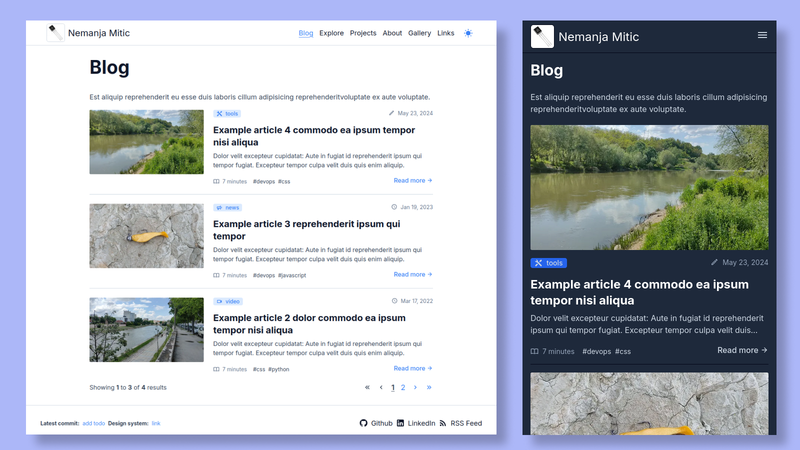
Open-source developer blog template built with Astro and Tailwind, featuring content collections, themes, and multi-platform deployment.
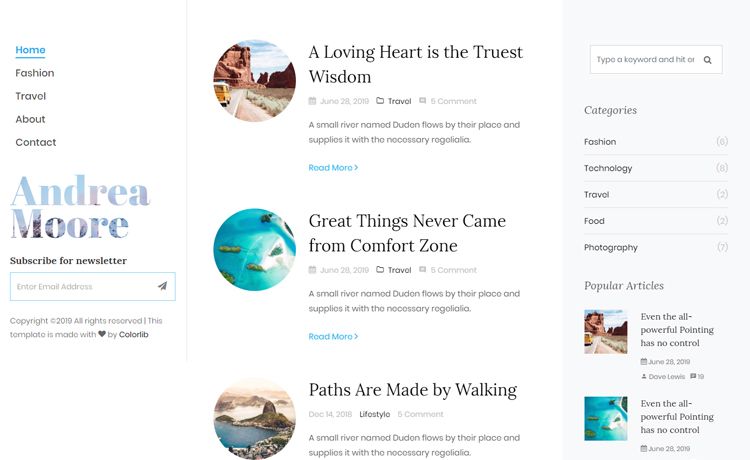
Free Bootstrap 4 HTML5 multipage blog template with sticky sidebar, newsletter form, SVG preloader, and contact form.
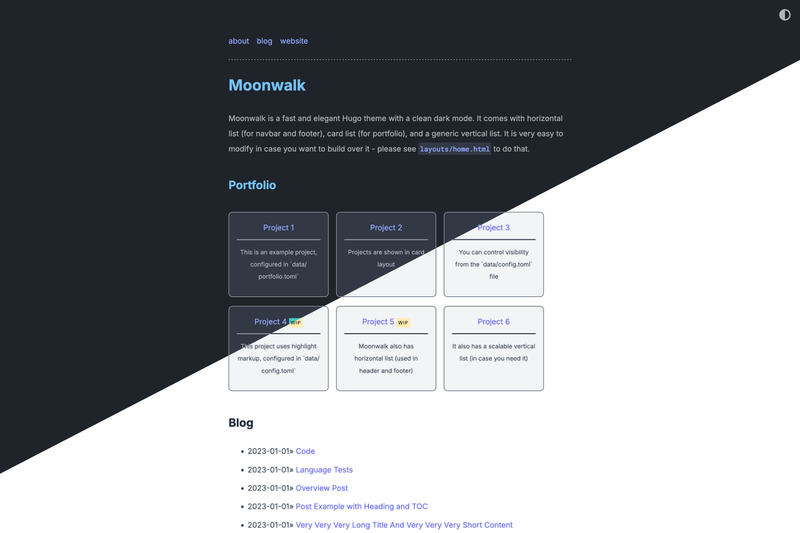
A fast and minimalistic Hugo blog theme ported from the original moonwalk, with light/dark mode and data-driven sections.
Copper Jekyll Theme is a free, open-source Jekyll theme for Markdown blogging that runs on GitHub Pages and offers two layout variants, syntax highlighting, LaTeX support, and category handling.
Copper Jekyll Theme is a static blog theme built on Jekyll, using the Jekyll Now repository as its starting base. It takes Markdown posts with YAML front matter and a _config.yml configuration file, and produces a fully static, responsive blog site that can be hosted on GitHub Pages with no additional setup. The theme is published under the MIT licence and is available for anyone to fork and customize.
The theme includes Bootstrap 3 SASS for responsive styling and FontAwesome for icons. It supports three distinct content categories, a left sidebar that can be toggled on or off, and generates an RSS feed automatically. Posts can carry metadata such as a category, language, description for Twitter cards, a GitHub project link, and a sticky flag that displays a star icon in the post listing.
left_bar to true or false in _config.yml; this switches between a two-column and a one-column blog layout.category layout._config.yml, and pushing to GitHub Pages — you get a live site in minutes._config.yml file with your site title, author name, and other settings._posts directory using the required front matter (layout, title, category, lang, description, and optionally github and sticky).index.html with the category layout and a permalink matching your category name.Yes. The theme is open-source and released under the MIT licence, so you are free to use, modify, and redistribute it, including for commercial projects.
Yes. The theme lets you choose between Google+ comments and Disqus in its configuration. Since Google+ no longer exists, Disqus is the practical choice for enabling discussion on posts.
Set the left_bar value in _config.yml. Setting it to true shows the left bar; false removes it, giving a single-column layout.
The instructions in the repository specifically cover GitHub Pages, but because the output is static Jekyll-generated HTML, it can be built and deployed to any static host by running Jekyll locally or via a CI service.