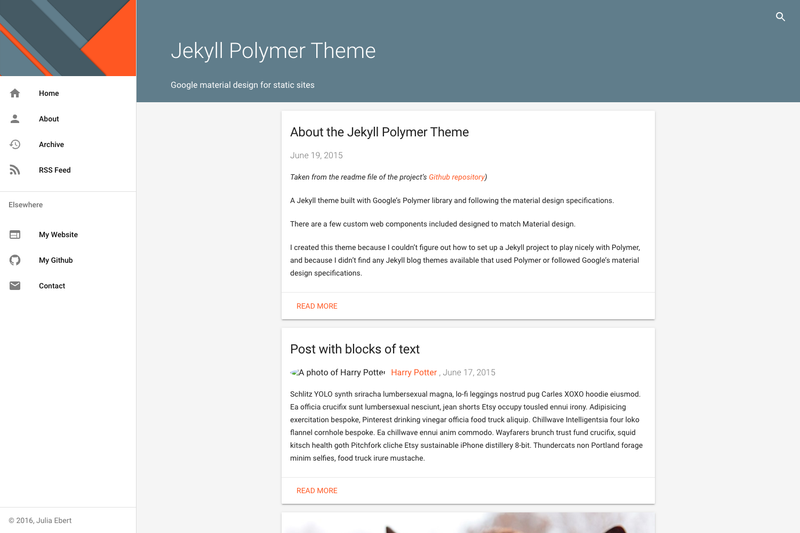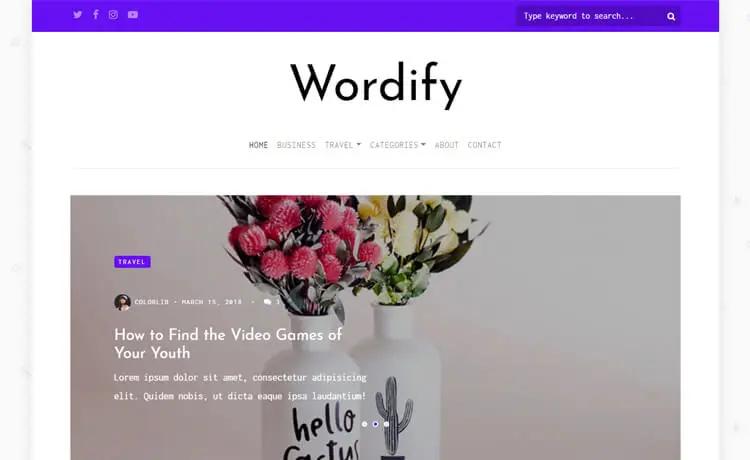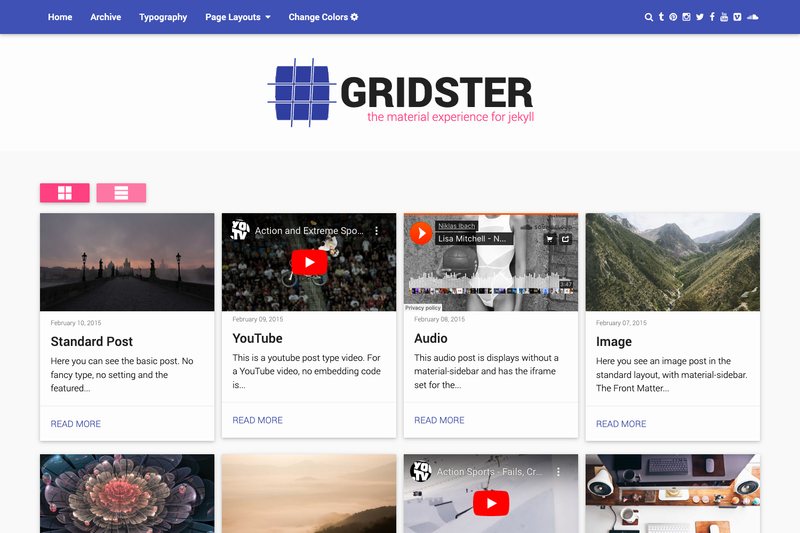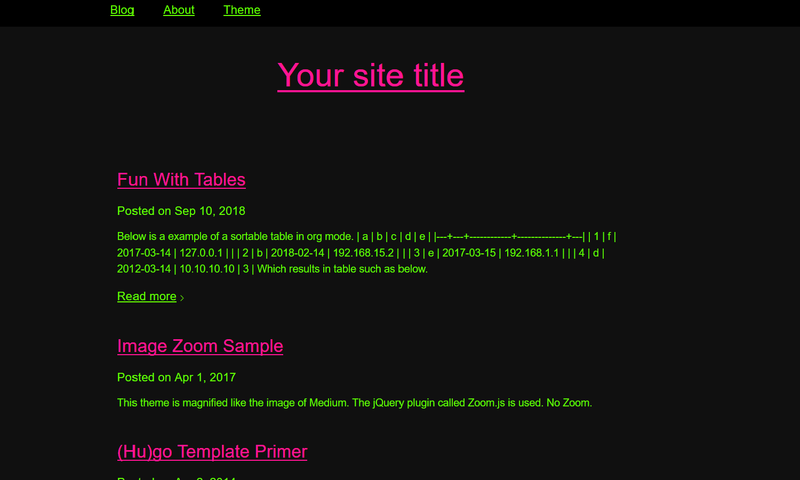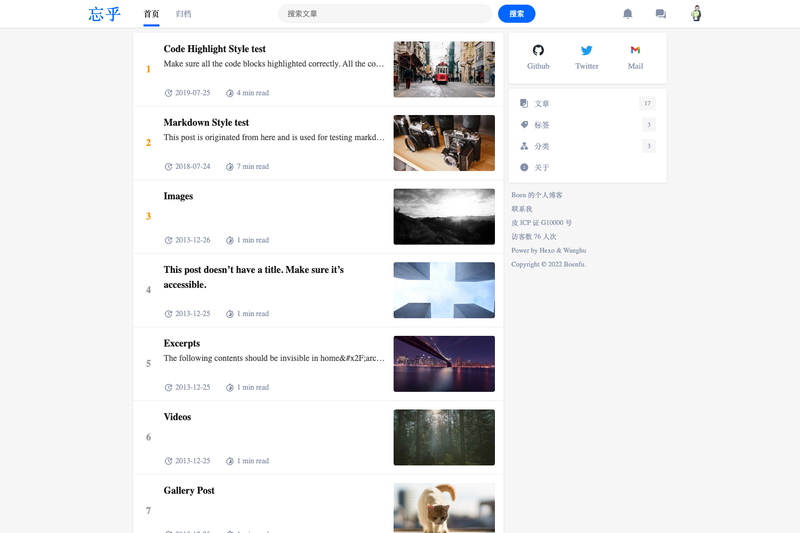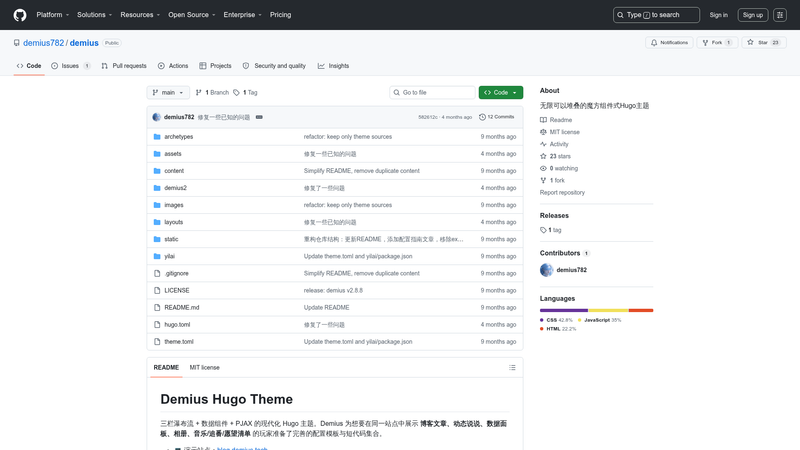
Demius is a Hugo theme built around a three-column masonry (waterfall) layout, data-driven pages, and PJAX no-refresh navigation, designed for personal blogs that mix articles with life-log content such as photo albums, music, and anime tracking.
What is Demius Hugo Theme?
Demius is a modern Hugo theme that turns a static personal blog into a multi-purpose site with blog posts, short status notes (说说), data panels, photo albums, music and anime tracking lists, and wish lists. It takes Markdown content, Hugo data files, and a hugo.toml configuration as input, and outputs a fully static website. It requires Hugo 0.146.0 or higher, with the Extended version recommended for PostCSS/SCSS processing. The theme is maintained in the demius782/demius-blog GitHub repository.
Key Features
- Masonry homepage variants — switch between waterfall (masonry), two-column, and single-column layouts; article cards support transparent and frosted-glass modes.
- PJAX navigation and reading tools — page transitions without full reloads, plus a floating toolbar and an immersive reading mode.
- Data-driven special pages — music planet, anime tracking planet, equipment, friends circle, notes, wish list, and supporters pages are populated from Hugo data files.
- Rich shortcode set — buttons, timelines, collapsible sections, tabs, partial encryption, and video/music embeds are included.
- Sidebar widget suite — visitor info, random quotes, popular and newest articles, a table of contents, social media links, and ad slots.
- 80+ toggleable configuration options — control site-wide grayscale, fonts, backgrounds, comments, tipping, and a floating music player from the config file.
- Three installation paths — act as a plain theme folder, a git submodule, or a Hugo Module (the module path enables updates via
hugo mod get -u). - MIT license — free to use in personal and commercial projects with the copyright notice retained.
Who is it for?
- Gamers and anime fans — build a personal blog that also hosts anime tracking, music lists, and wish lists without a database.
- Hugo users wanting modern UX — get masonry layouts, PJAX transitions, immersive reading, and a floating toolbar out of the box.
- Developers who customize — extend a theme with atomic CSS/JS in
assets/, shortcodes inlayouts/, and 80+ config switches. - Independent creators — add a supporters page, tipping, and comment sections to accept community support.
What can you do with Demius Hugo Theme?
- Personal bloggers: publish long-form articles and quick status notes (说说) under one roof, displayed in a masonry grid.
- Anime and music enthusiasts: maintain an anime tracking planet and a music planet by editing data files, with no backend required.
- Photographers: assemble a photo album page (相册) from data files and image assets.
- Community builders: create a friends circle (友圈) page to link and showcase friend sites.
How does Demius Hugo Theme work?
Installation follows a copy-and-configure workflow. Download or clone the repository into your Hugo site's themes/demius directory, copy everything from the yilai/ folder (package.json, postcss.config.js, go.mod, scripts/) and the bundled hugo.toml to your site root, then run Hugo. Alternatively, add it as a git submodule or import it as a Hugo Module with hugo mod get github.com/demius782/demius-blog.
FAQ
Is Demius Hugo Theme free?
Yes, Demius is released under the MIT License, so you can use it freely in personal or commercial projects as long as you keep the copyright notice.
What Hugo version do I need?
Demius requires Hugo 0.146.0 or higher. Hugo Extended is recommended because it supports PostCSS/SCSS processing; if you use the regular version, you need Node.js 16 or newer to run the CSS merge scripts.
Does the theme include example content?
Yes, the repository has a demius2/ folder containing sample pages (about, album, equipment, music planet, etc.) and data files (carousel, album, equipment, anime tracking) that you can copy into your site to see the features in action.
Can I use Hugo Modules to install Demius?
Yes, Demius supports installation as a Hugo Module. After initializing modules with hugo mod init, run hugo mod get github.com/demius782/demius-blog and add the module import to your config. You still need to copy the yilai/ folder and hugo.toml.
What content types can I publish with Demius?
Beyond standard blog posts, Demius supports status notes (说说), photo albums, music and anime tracking pages, equipment lists, wish lists, and a supporters page, all driven by Hugo content and data files.