Newsletter
Join the Community
Subscribe to our newsletter for the latest news and updates

A recreation of the Deplace Maison ecommerce website using React/Next JS with Stripe payment integration and Firebase for storing orders.
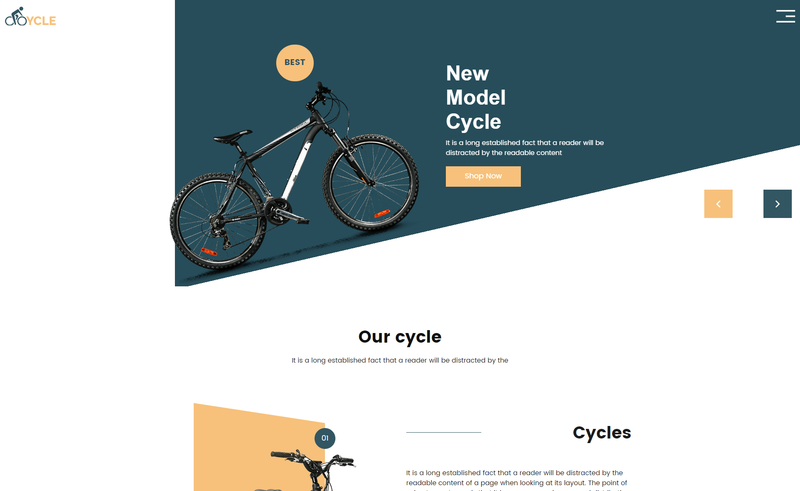
Free multi-page eCommerce landing page template built with Bootstrap 4, HTML5, and CSS3, featuring carousels, burger menu, and cart UI.

A simple Jekyll theme for small e-commerce shops, integrating Snipcart for cart and checkout.

Nuxt 3 eCommerce starter with Nuxt UI components, Nitro API routes, and Vue Designer integration.

A Gatsby-based front-end template that recreates the Daangn marketplace main page.
Deplace Maison Ecommerce Webapp is an open-source ecommerce storefront built with Next.js and React that recreates the Deplace Maison online shop, complete with Stripe payment processing and Firebase order storage.
This is a full-stack ecommerce web application built with Next.js and ReactJS that recreates the Deplace Maison website. It reads products from Firebase Realtime Database, lets users add them to a cart stored in local storage, processes payments through Stripe, and saves completed orders to Firebase Firestore. The project runs on Node.js and was created by GitHub user destructo570 for frontend practice.
The storefront loads product data from Firebase Realtime Database on page load, then lets customers add items to a cart persisted in local storage. When checking out, the user logs in via NextAuth, and the client calls Stripe to initiate a payment session. After Stripe processes the payment, a webhook triggers a server function that stores the order in Firebase Firestore.
Yes, the code is open source and can be downloaded from the GitHub repository. You will need your own API keys for Stripe, Firebase, and Google, and any service usage may incur costs.
Create a .env.local file in the root directory and define STRIPE_PUBLIC_KEY, STRIPE_SECRET_KEY, STRIPE_SIGNING_SECRET, HOST, FIREBASE_SERVICE_ACC_KEY, GOOGLE_CLIENT_ID, GOOGLE_CLIENT_SECRET, and SECRET. The README links to official documentation for obtaining each key.
Firebase Realtime Database stores the product catalog, while Firebase Firestore stores order records after successful Stripe payments. Both are configured through a Firebase service account key.
It can be adapted, but the project is intended for learning only. You would need to replace the sample data, implement real product management, and add features like inventory tracking and email notifications before going live.