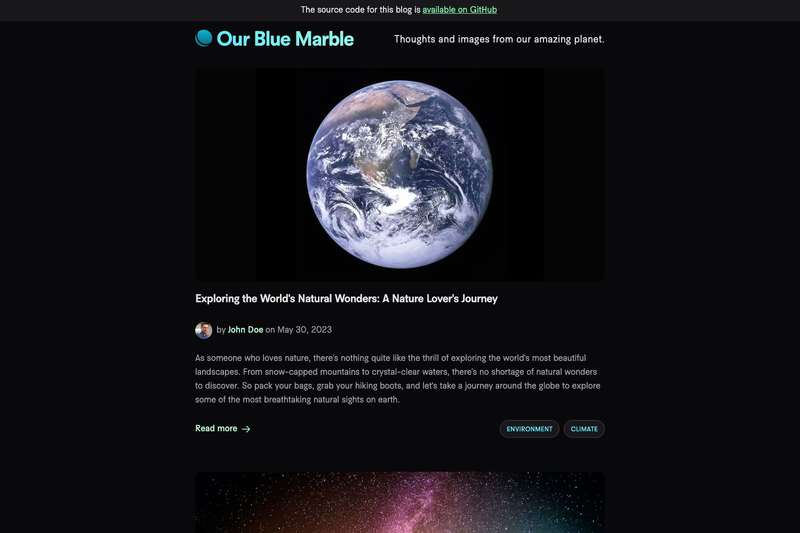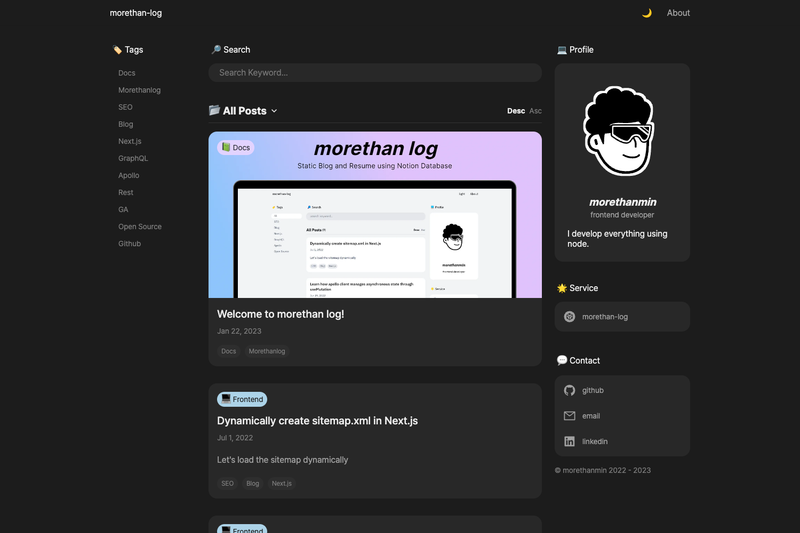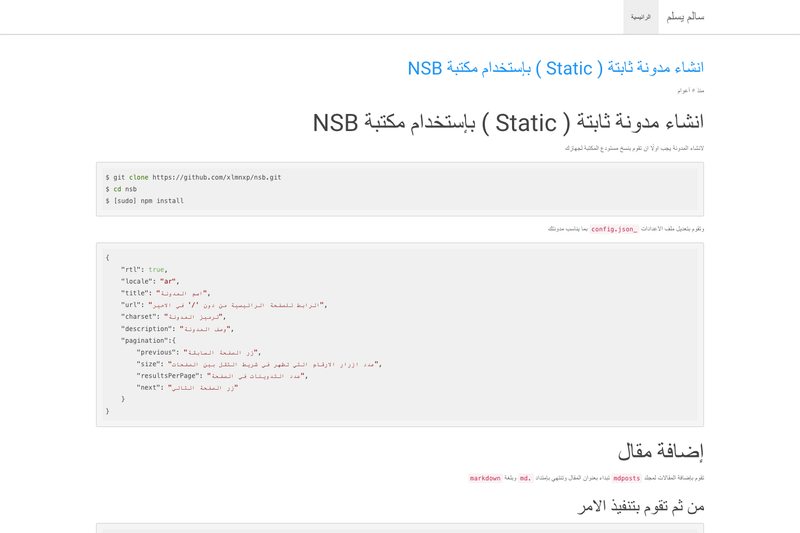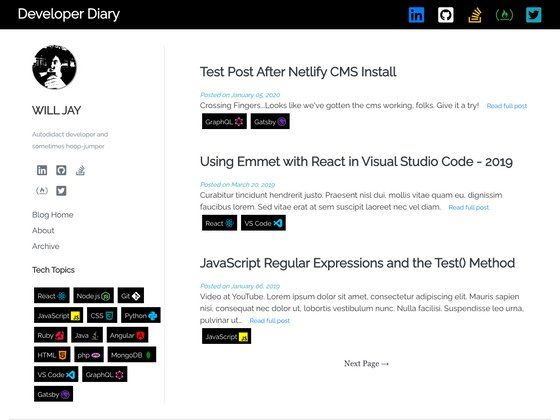
Developer Diary is a Gatsby starter blog template designed for web developers, combining a minimalist mobile-responsive layout with Netlify CMS integration and developer-specific tech tags and social links.
What is Developer Diary?
Developer Diary is a Gatsby v.2 and React v.16.8 blog starter created by Will Ward (GitHub: @willjw3) and listed in the Gatsby Starter Library. It takes a configuration file and Markdown blog posts as input and produces a static, mobile-responsive blog site with pagination, social media sharing icons, and developer-relevant meta tags. The template is ready out of the box but intentionally minimal so you can extend it with your own contact forms, search components, and other features.
Key Features
- Ready to go — Blog author name, image, URL, title, tagline, and social media contact info are set in a single config.js file, which also feeds metadata to gatsby-config.js.
- Netlify CMS integration — Includes gatsby-plugin-netlify-cms and netlify-cms-app; authors can log in at /admin and create posts through a UI with fields for tags, published status, date, title, and Markdown or Rich Text body.
- Markdown blog posts — Posts live in a posts folder as .md files with frontmatter for title, tags, published flag, and date; a Markdown cheatsheet is linked for beginners.
- Tech tags — Pre-configured web-development tags shown in the live demo; new tags can be created by adding a label and an SVG path in config.js, with icon paths sourced from Simple Icons.
- Developer social links — Sidebar and mobile header include icons for GitHub, Stack Overflow, freeCodeCamp, and other platforms, with URLs set in config.js.
- Pagination and sharing — Posts are paginated, and each post includes social media sharing icons.
- Mobile responsive — The layout adapts to smaller screens.
- Minimalist design — The clean layout is meant to be easily modifiable, with the author suggesting you can build custom contact forms and search components.
Who is it for?
- Web developers who want a blog with a tech focus can use the included tech tags and developer social media links to share their posts.
- Technical writers who prefer Markdown can write posts as .md files with YAML frontmatter, and optionally use the Netlify CMS UI instead.
- Gatsby beginners who want a working blog out of the box can clone the starter, edit config.js, and get a deployable static site; the Getting Started steps cover installing gatsby-cli and running gatsby develop.
- Netlify users can set up continuous deployment and Git Gateway to enable CMS admin authentication.
What can you do with Developer Diary?
- Blog authors: write posts in Markdown and publish them via the Netlify CMS admin interface at /admin, or manually add .md files with frontmatter.
- Developers: customize the tech tags by adding new SVG icons in config.js, and update social links to GitHub and Stack Overflow.
- Site owners: deploy to Netlify with continuous deployment and use the included GraphQL interface at /___graphql to explore site data.
How does Developer Diary work?
The starter works like a standard Gatsby project: install gatsby-cli, run gatsby new your-blog-name with the starter's repository URL, navigate into the directory, and run gatsby develop to start a local server at localhost:8000. Content is managed either by editing markdown files in the posts folder or through the Netlify CMS admin at /admin, which writes changes back to the repository via Git Gateway.
Pros and cons
- Pros: Ready out of the box with minimal configuration via config.js; includes Netlify CMS for browser-based post creation; developer-specific tags and social icons included; mobile responsive and minimalist for easy customization.
- Cons: Built on Gatsby v.2 and React v.16.8, which are older than current releases; full Netlify CMS admin requires configuring Netlify Identity and Git Gateway.
FAQ
How do I create a new blog post with Developer Diary?
You can either edit markdown files in the posts folder or use the Netlify CMS admin at /admin. Manual posts require a .md file with frontmatter containing title, tags, published, and date. In the CMS, you fill in the TAGS, PUBLISHED, DATE, TITLE, and BODY fields and click Publish.
How do I add my own social media links?
Edit the config.js file with your GitHub, Stack Overflow, freeCodeCamp, and other profile URLs. The corresponding social icons in the sidebar and mobile header will then link to those accounts.
Does Developer Diary include a content management system?
Yes. It includes gatsby-plugin-netlify-cms and netlify-cms-app. To use the admin panel, you need to set up Netlify Identity and Git Gateway, then log in at /admin.
What versions of Gatsby and React does it use?
It uses Gatsby v.2 and React v.16.8. These are older major versions, so keep that in mind when adding plugins or interpreting compatibility.
How do I deploy the blog?
The page recommends deploying with Netlify for best CMS integration. You can connect your repository for continuous deployment; the starter also includes a Netlify deploy status badge and a Deploy to Netlify button for the default starter.