Newsletter
Join the Community
Subscribe to our newsletter for the latest news and updates

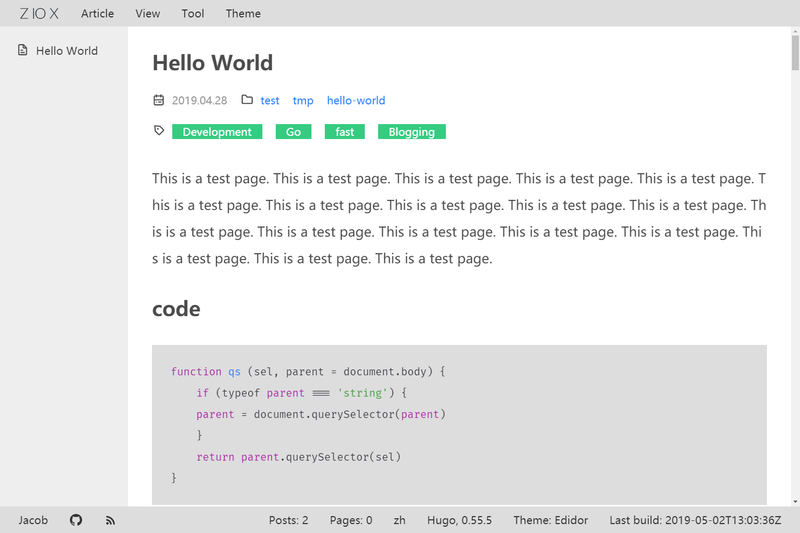
A Hugo theme that mimics a code editor with a built-in style generator and infinite random color modes.
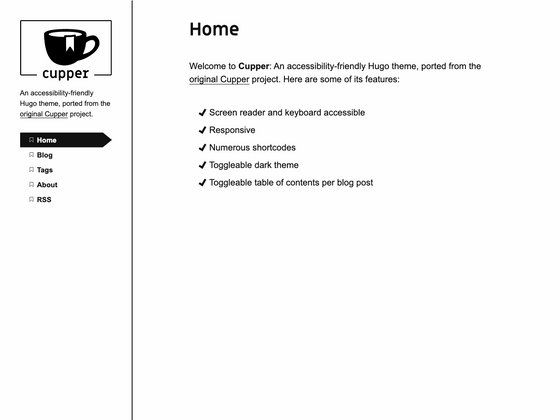
An accessibility-friendly Hugo theme, ported from the original Cupper project.
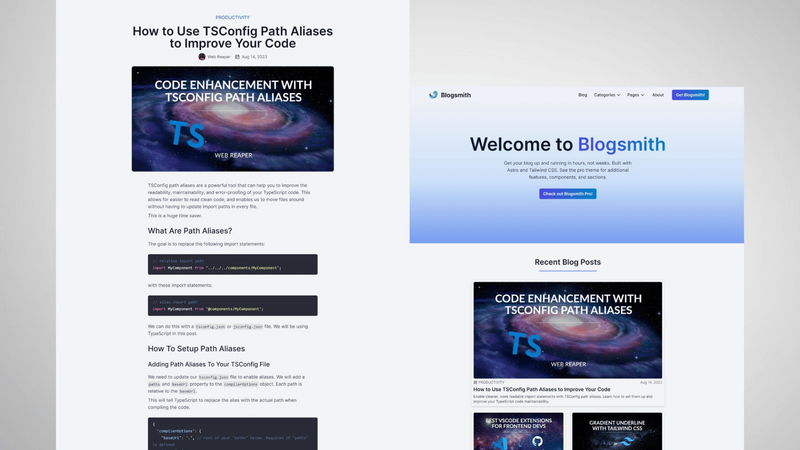
A free and open source blog template by Cosmic Themes. Built with Astro and Tailwind CSS.
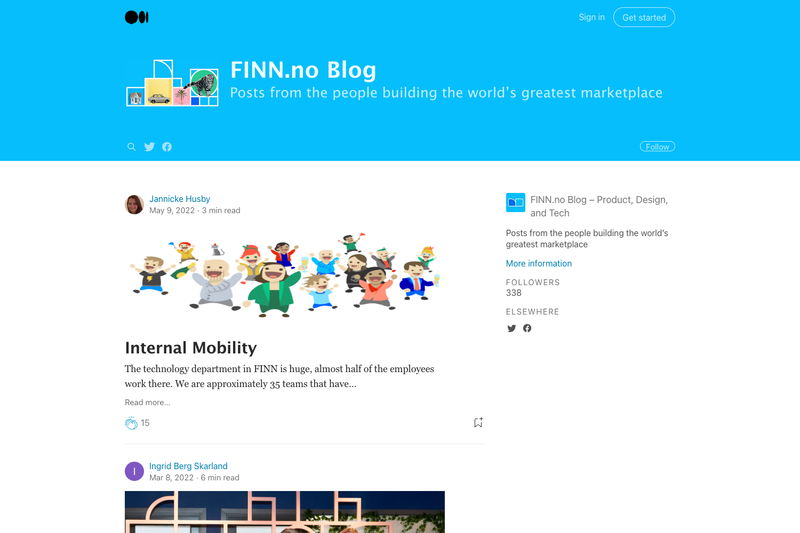
Jekyll-powered technology blog template by FINN developers, with Disqus comments, Google Analytics, and draft preview.
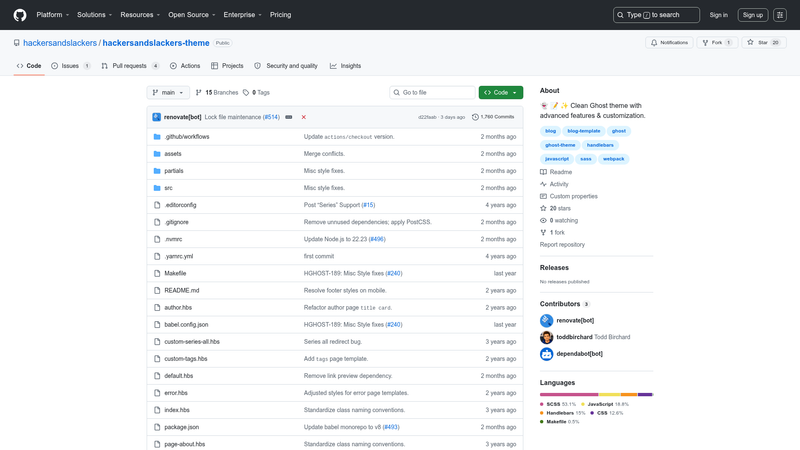
Clean Ghost CMS theme for blogs with post series, related posts, data tables, PrismJS highlighting, author widgets, and Webpack build tooling.
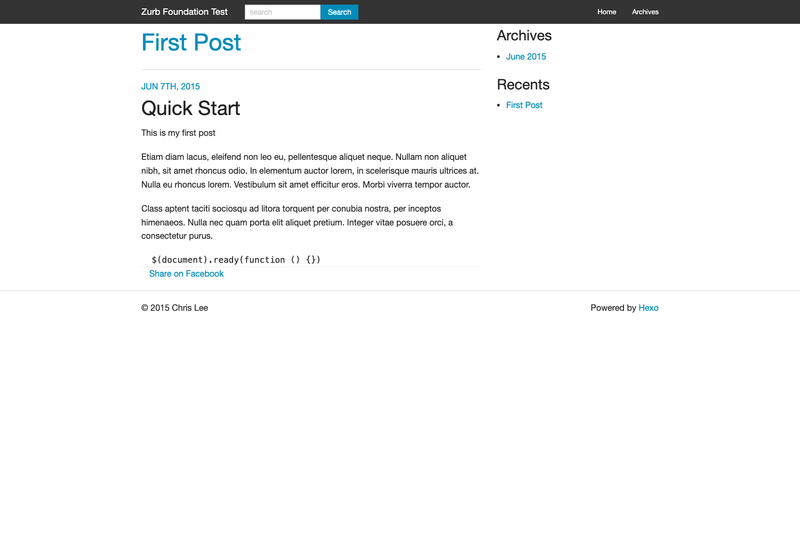
Simple plain Zurb foundation theme for the static site generator hexo.js
Edidor is a Hugo theme that mimics a code-editor interface with a built-in style generator, including a 'wild mode' that applies random CSS color rules to pages.
Edidor is a free, open-source Hugo theme (MIT license) that turns a static website into an editor-like interface. It takes standard Hugo content — Markdown files, menus, and config.toml — and renders a responsive site with light, dark, and automatically generated "wild" color schemes. The theme was created by GitHub user sfengyuan and was promoted by the official Hugo Twitter account in 2019.
customCss config parameter.throttle and an easing function from d3.ease.useCustomSyntaxHighlight = true.logo.svg, logo_light.svg, and logo_wild.svg and displays the matching one for the active mode.Install the theme by running git submodule add https://github.com/sfengyuan/edidor in your Hugo site's themes directory (or git clone), then copy the config.toml from the exampleSite folder to your site root. When a visitor clicks "wild mode", the theme generates random CSS color rules and stores them in localStorage; on later pages the rules are loaded from localStorage and applied again. To use a generated palette permanently, click "Export Wild mode", name the theme, and add the downloaded CSS file through the customCss parameter.
Edidor is open-source under the MIT license and free to use, modify, and redistribute. It has no paid tiers or premium features.
Yes. Edidor ships with a light mode, a dark mode, and a "wild mode" that generates random color themes. The README's screenshots show all three modes.
Yes, Edidor is released under the MIT license, so it is free for personal and commercial use.
No. The README explicitly states "NO IE support, and does in future!" — meaning IE is not supported and no future IE support is planned.
Inside your Hugo site's themes folder, run git submodule add https://github.com/sfengyuan/edidor or git clone. Then copy the config.toml from the exampleSite directory to your site root and adjust it.