Newsletter
Join the Community
Subscribe to our newsletter for the latest news and updates

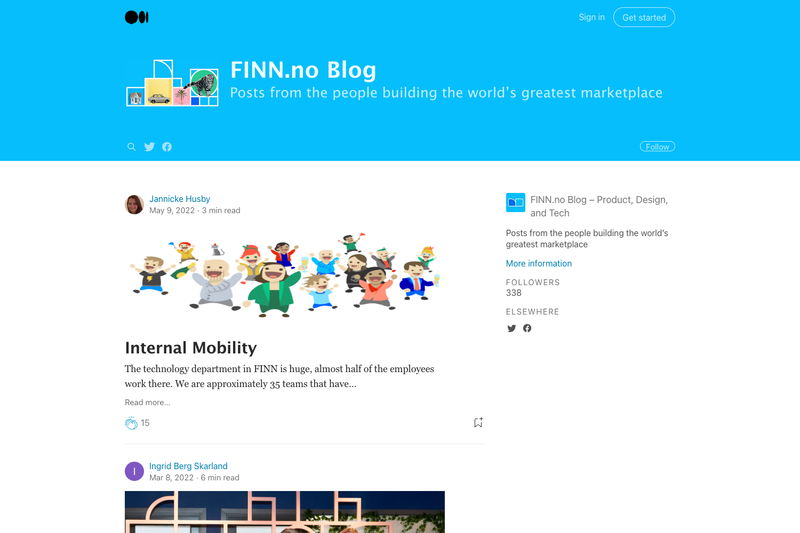
Jekyll-powered technology blog template by FINN developers, with Disqus comments, Google Analytics, and draft preview.
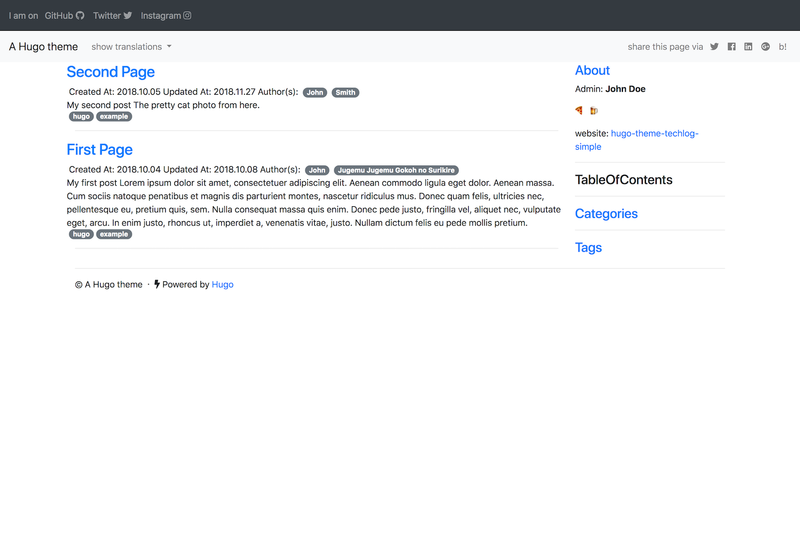
A simple Hugo theme for tech blogs with table of contents, profile page, and examples of pagination, tags, and authors.
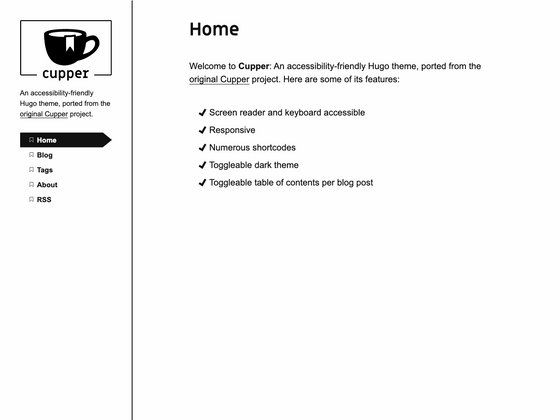
An accessibility-friendly Hugo theme, ported from the original Cupper project.

A free and open source blog template by Cosmic Themes. Built with Astro and Tailwind CSS.
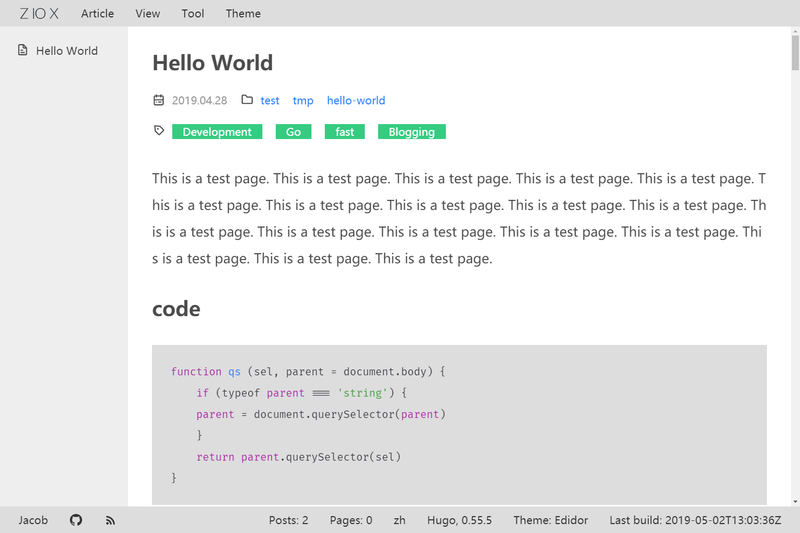
A Hugo theme that mimics a code editor with a built-in style generator and infinite random color modes.
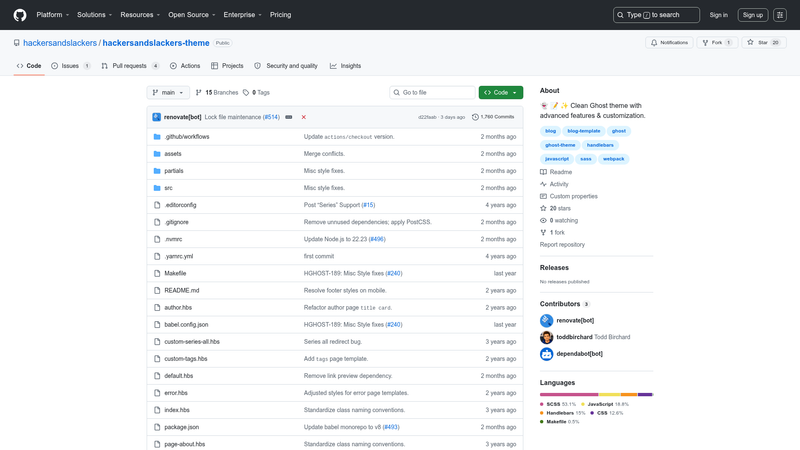
Clean Ghost CMS theme for blogs with post series, related posts, data tables, PrismJS highlighting, author widgets, and Webpack build tooling.
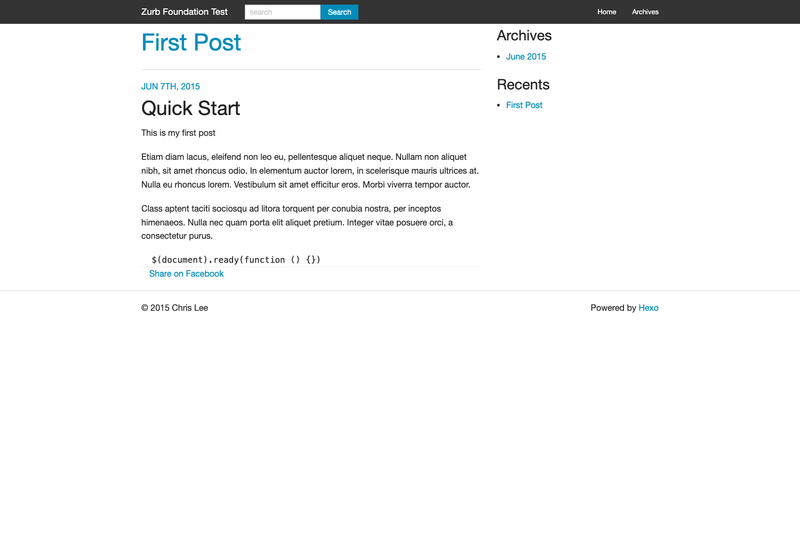
Simple plain Zurb foundation theme for the static site generator hexo.js
Tech.finn.no is an open-source Jekyll-based technology blog template created by FINN, the Norwegian online marketplace, for publishing developer-written engineering posts.
Tech.finn.no is a Jekyll-powered blog template that generates a static technology blog from Markdown content. It takes blog posts written in Markdown as input and produces a complete static HTML site that can be served locally or deployed to any static hosting provider. The template was built by the developers at FINN and powers their own engineering blog at tech.finn.no. It runs on Ruby, uses Bundler for dependency management, and follows the standard Jekyll workflow.
bundle exec jekyll serve -w --drafts to preview unpublished posts locally before they go live.bundle exec htmlproofer ./_site, to validate the generated HTML and internal links.--drafts flag, then build a production-ready static site.The template runs on Jekyll's built-in development server. After installing Ruby, run bundle install to fetch dependencies, then start the server with bundle exec jekyll serve -w. The blog is served at http://localhost:4000. To include drafts in the preview, add the --drafts flag to the serve command. A final static build is produced in the _site directory and can be tested with bundle exec htmlproofer ./_site before deployment.