Newsletter
Join the Community
Subscribe to our newsletter for the latest news and updates

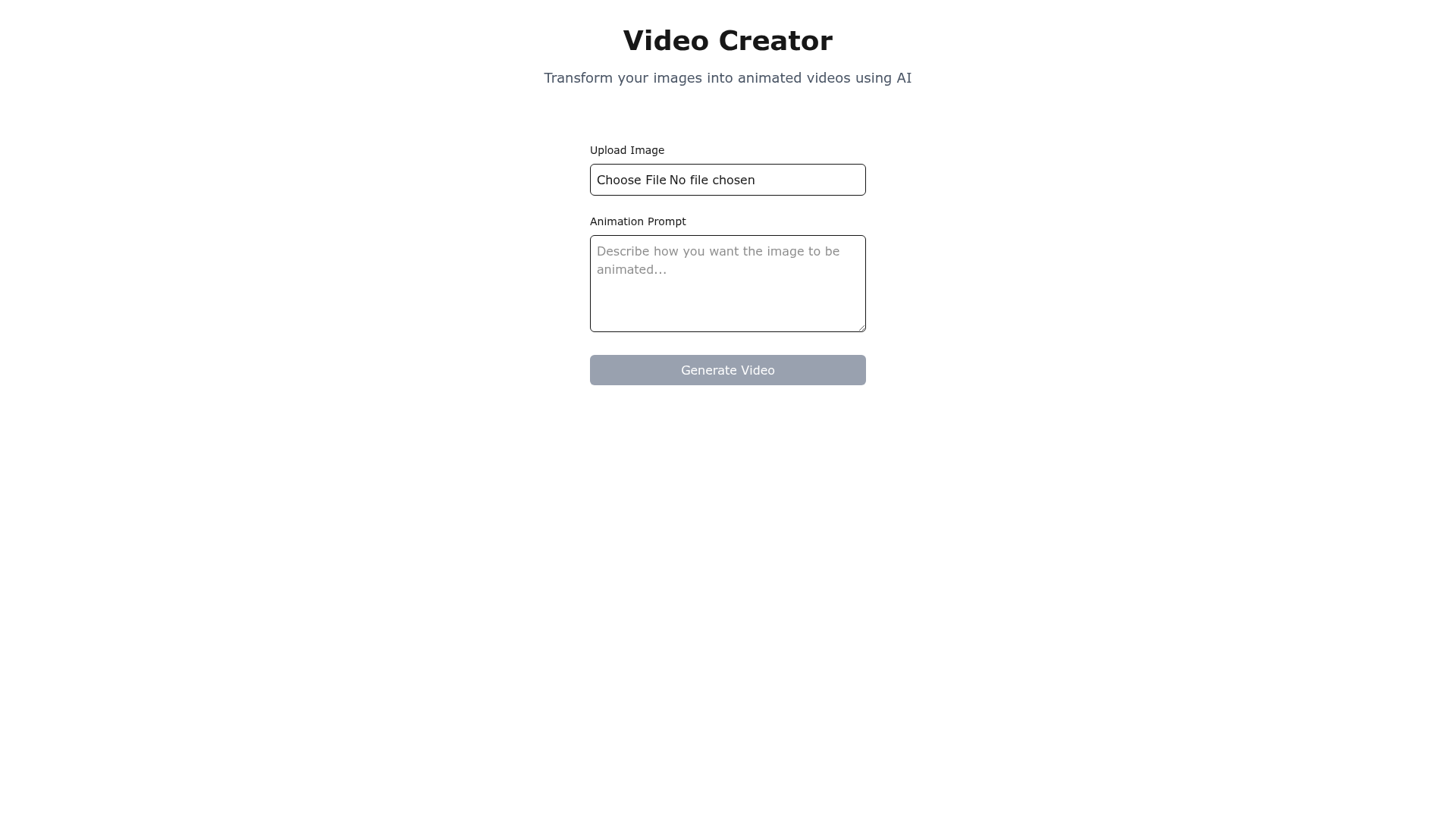
A Next.js template using the fal.ai SDK to animate static images into videos with queue management and a secure proxy.
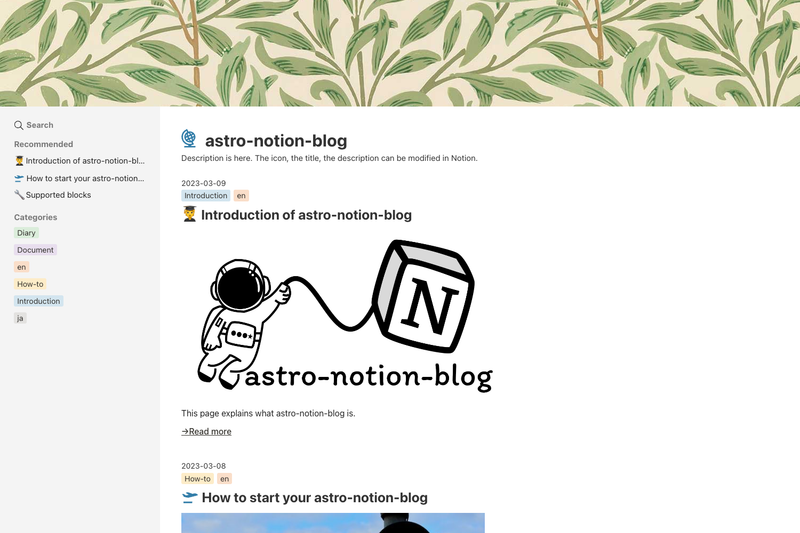
Create a fast static blog by writing content in Notion, built with Astro and deployed on Cloudflare Pages.
Deploy Flask 3 on Vercel using Serverless Functions with the Python runtime.
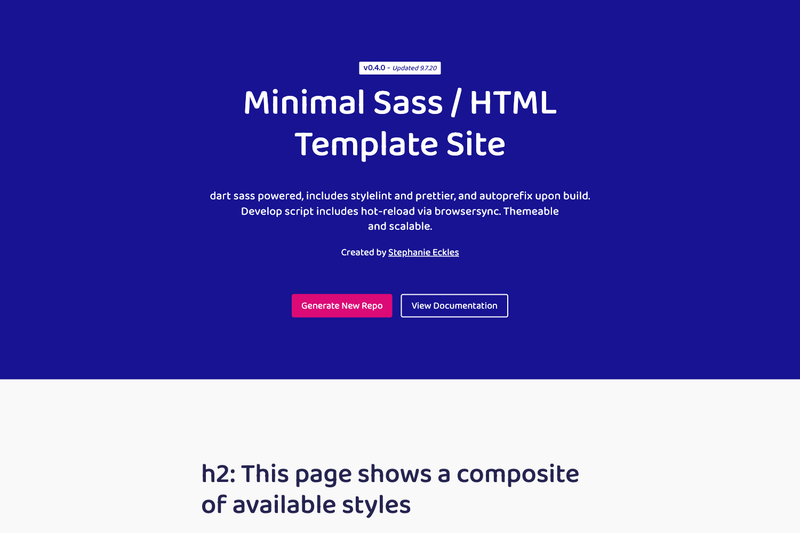
Minimal Sass/HTML site boilerplate with Dart Sass, autoprefix, stylelint, prettier, and Browsersync hot-reload.
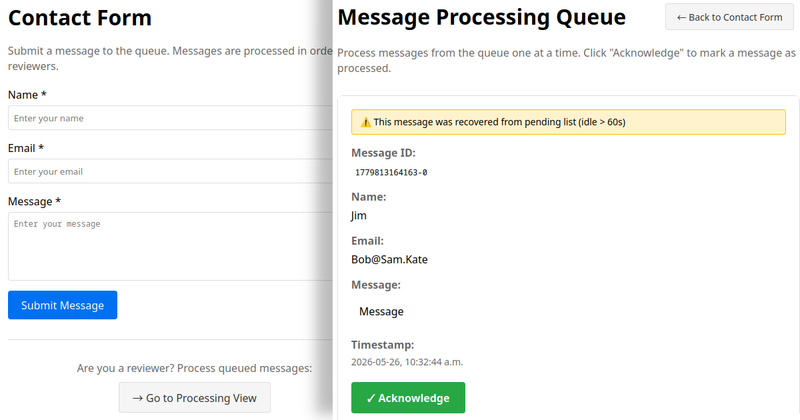
Learn to use AWS ElastiCache with Next.js API Routes for reliable message queue processing using streams.
Simple Node.js + Vercel example that returns a "Hello World" response.
Fal Video Generator is a Next.js template that demonstrates how to build an AI-powered video generation app with the fal.ai SDK, animating a static image into a video from a text prompt. It is a boilerplate project that shows the full workflow: uploading an image, entering a prompt, submitting the task to fal.ai's queue, polling for status, and retrieving the final video.
Fal Video Generator is an open-source example application built with Next.js, the fal.ai SDK, Tailwind CSS, and TypeScript. It takes a static image and a text prompt as input, submits a generation task to fal.ai's queue system, and produces an animated video as output. The project is licensed under MIT and is designed to show developers how to integrate fal.ai's queue management and server-side proxy pattern into a React application.
/api/fal/proxy, keeping the FAL_KEY private on the server instead of exposing it in the browser.VideoGenerator.tsx component and the proxy route to see how to submit tasks, poll for updates, and handle long-running generations.Yes. To run the template, you must copy .env.example to .env.local and set your FAL_KEY. Without a valid key, the proxy route will not be able to authenticate with fal.ai.
fal.ai is a serverless platform for running AI models at scale. This template uses its SDK and queue management to handle video generation tasks asynchronously.
The app includes an API route at /api/fal/proxy that forwards requests to fal.ai from the server. Because the browser only talks to this route, the FAL_KEY never appears in client-side code.
The source code is released under the MIT license, so you can freely use and modify it. Keep in mind that running video generation through fal.ai may incur usage costs based on fal.ai's own pricing.