Newsletter
Join the Community
Subscribe to our newsletter for the latest news and updates

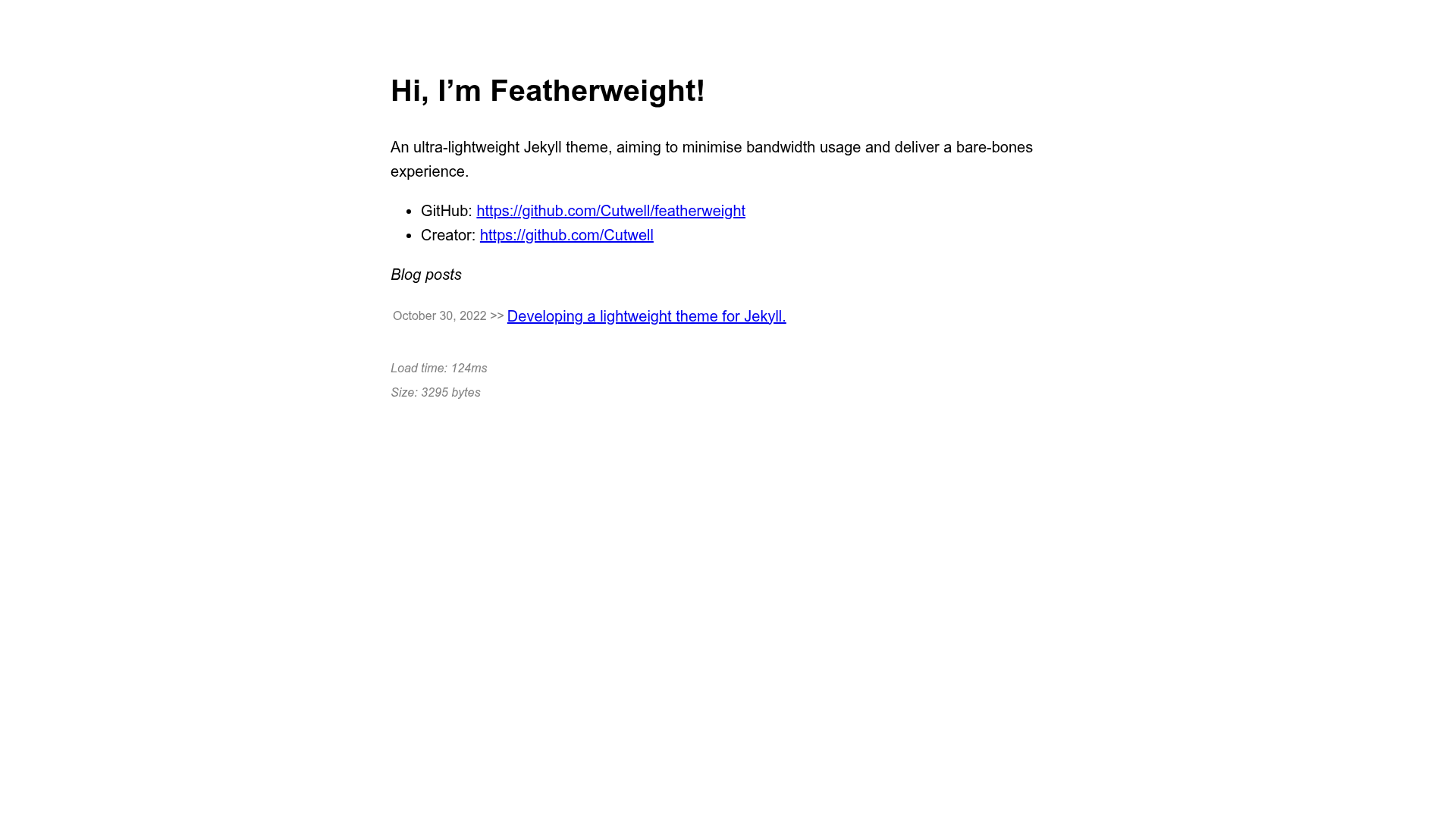
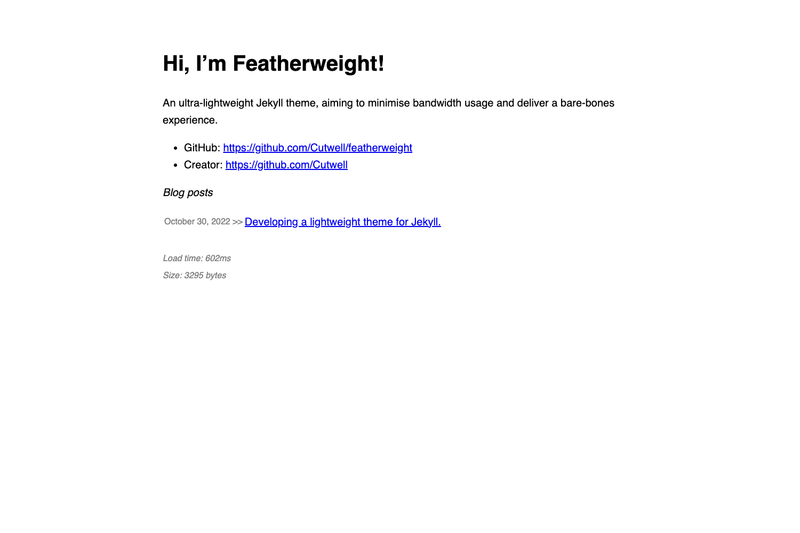
Ultra-lightweight Jekyll theme for minimal-bandwidth websites
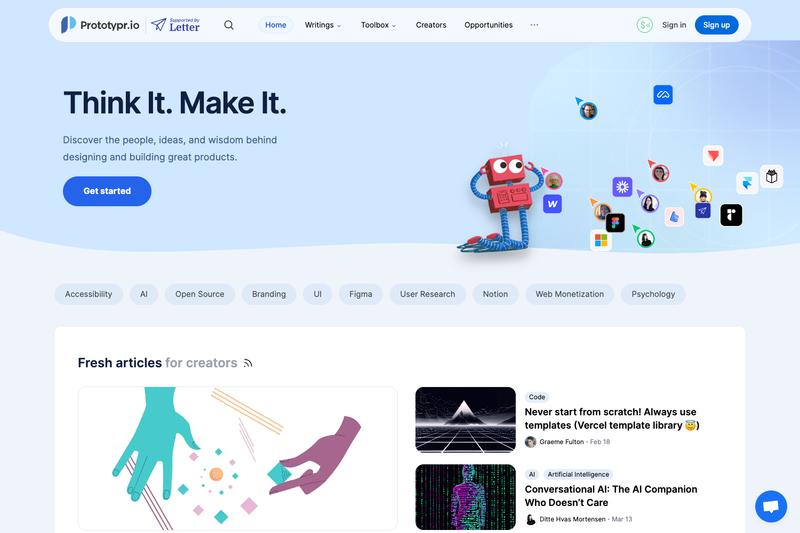
Open source publishing platform, built with Next.js and Strapi CMS backend. Uses Tiptap / Prose-mirror editor.
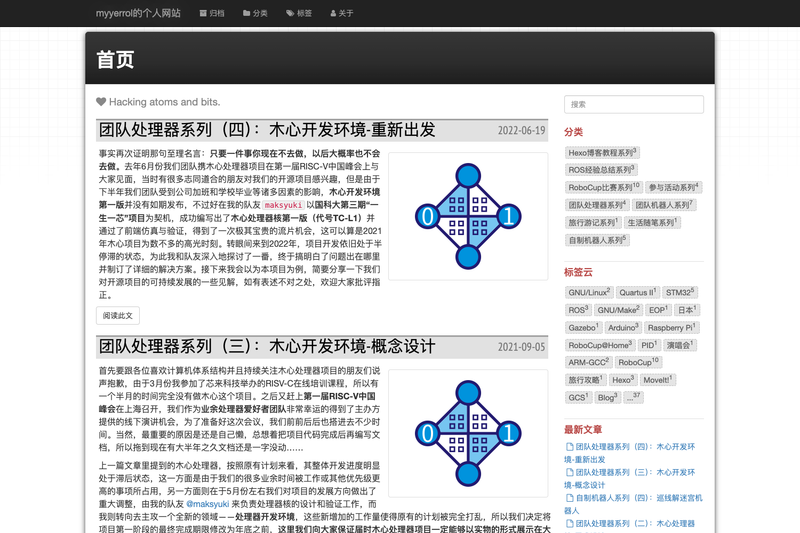
A Bootstrap-based Hexo blog theme forked from hexo-theme-freemind with extra features like analytics, comments, and local search.
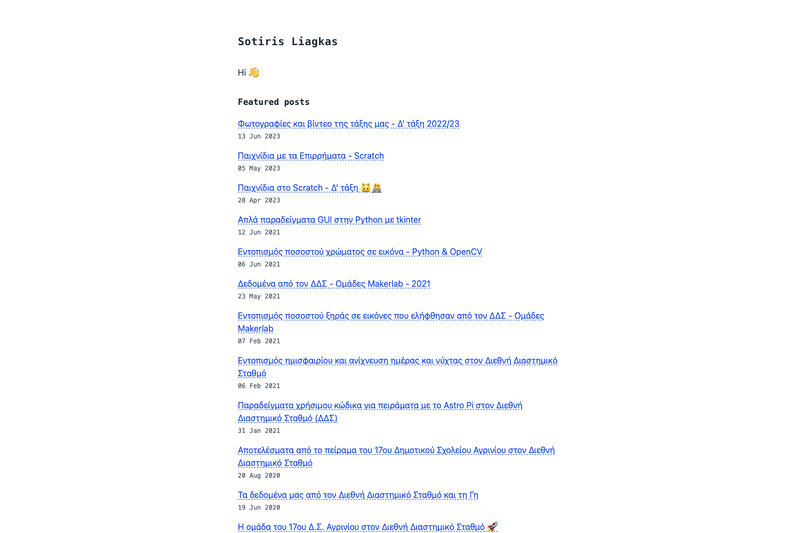
A minimalistic blog theme built with Jekyll and Tailwind CSS, ready for GitHub Pages.
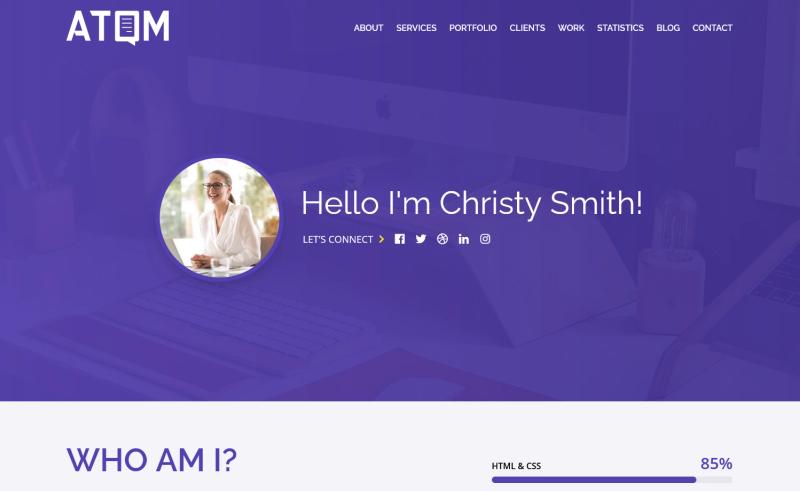
Free one-page Tailwind CSS portfolio and blog template with portfolio, blog, contact, and newsletter sections.
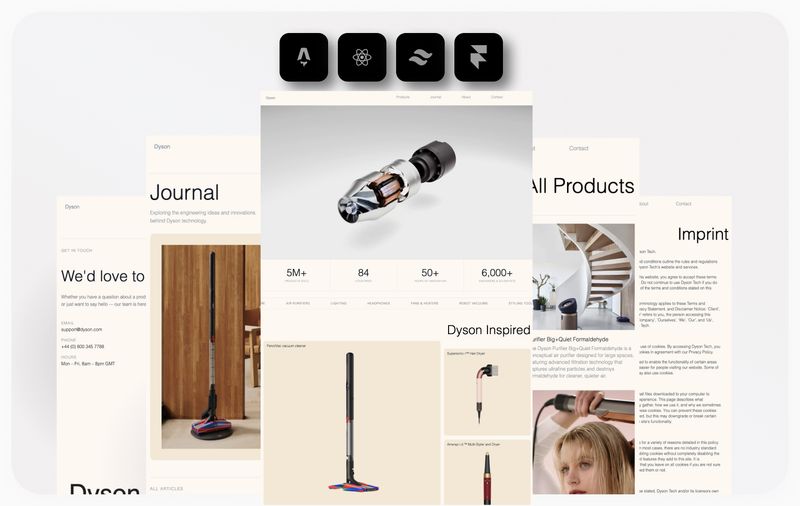
Dyson Inspired is a free, production-ready Astro template for tech writers, product reviewers, and content creators.

Hexo theme based on Jade and Less, with a live demo at bubkoo.com.
Featherweight is an ultra-lightweight Jekyll theme built to minimize bandwidth usage, targeting page sizes of approximately 1kb.
Featherweight is a Jekyll theme that takes standard Markdown content with YAML front matter and produces a static site with pre-compressed HTML, an RSS feed, a sitemap, and an optional blog listing. It runs on Jekyll, is distributed as a Ruby gem, and supports remote theme usage on GitHub Pages. The theme is maintained by Cutwell, as indicated by the repository and included GitHub Actions workflow.
.gz and .html fallbacks for browsers without Brotli support._config.yml enable SEO metadata, estimated reading time, page load time and size in the footer, social media footer links, blog list on homepage, basic CSS styling (based on the "58 bytes of CSS" gist), and favicon generation.theme: featherweight in _config.yml and adding the gem to a Gemfile, with an example at Cutwell/cutwell.github.io.build_and_deploy.yml action is provided to build the site on pushes and deploy to the gh-pages branch, circumventing GitHub Pages' built-in plugin restrictions._pages/, and named using the YYYY-MM-DD-title.md convention to appear in the blog list.Featherweight is for developers and site owners who want a nearly zero-weight Jekyll theme for personal blogs, portfolios, or documentation sites. It is especially suited for those hosting on GitHub Pages who want to circumvent the platform's restricted plugin list. Users who care about performance budgets and low-bandwidth visitors will find the gzip and Brotli pre-compression features useful.
/feed, all within a page budget of about 1kb.gh-pages branch, enabling the theme's compression plugins.To build a Featherweight site, clone the repository, run bundle install, then bundle exec jekyll serve for a local server. For remote theme use, copy _config.yml, create a Gemfile with gem 'featherweight', and add the build workflow if deploying on GitHub Pages. Posts are created as blank Markdown files in _pages/ with a front matter block specifying layout: post, a title, description, and optional image.
The theme is free and open-source, distributed as a Ruby gem on RubyGems and available on GitHub. No commercial license or payment information is mentioned.
Yes, Featherweight is a free Jekyll theme distributed as an open-source Ruby gem. You can use it for personal or commercial projects without any stated cost.
Add gem 'featherweight', '~> 0.7.6' to your Gemfile and set theme: featherweight in _config.yml. For local development, clone the repository and run bundle install followed by bundle exec jekyll serve.
GitHub Pages' built-in build won't run the unsupported gems this theme relies on. Use the included build_and_deploy.yml GitHub Action to build the site on pushes and deploy to the gh-pages branch, or use the Cutwell/jekyll-build-action for remote theme setups.
Create a blank .md file in _pages/ with front matter containing layout: post, a title, a description, and an optional image. Write the post in GitHub-flavoured Markdown below the front matter. Name the file using the YYYY-MM-DD-title.md convention or it won't appear in the blog list.
The theme pre-compresses pages with Zopfli (a more aggressive gzip encoder) and Brotli. It serves .br files where supported, with .gz and .html fallbacks for browsers that don't support Brotli.