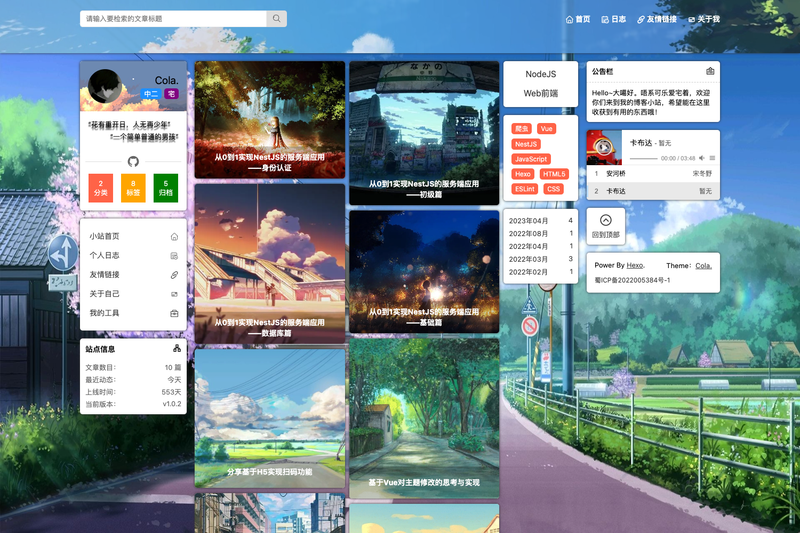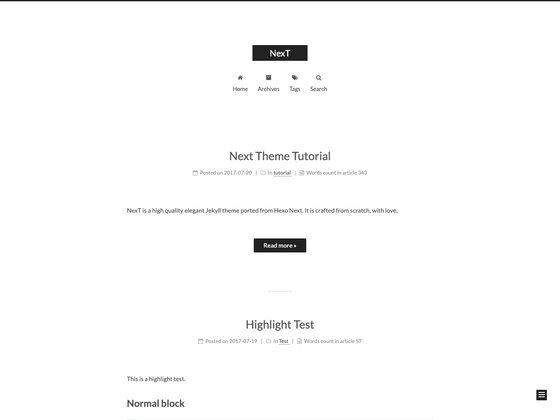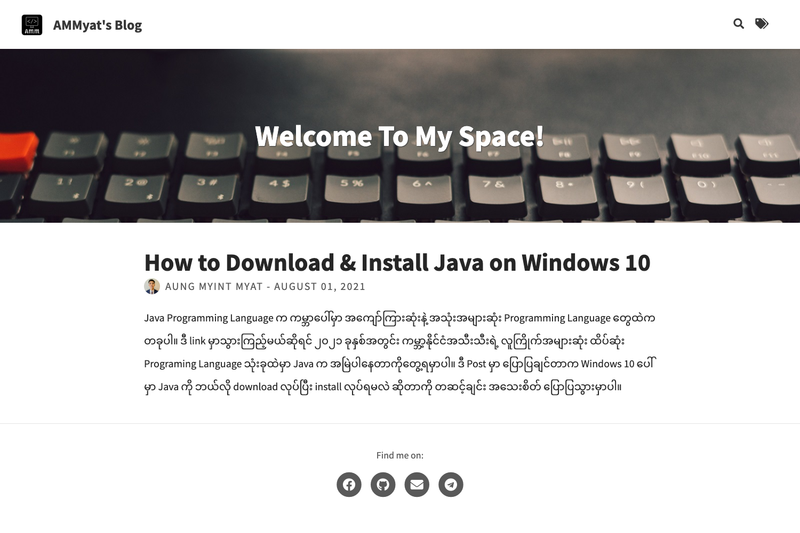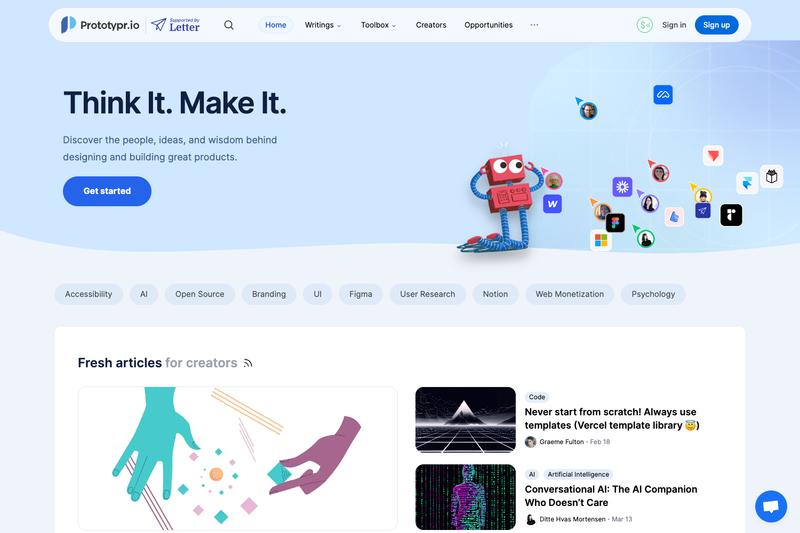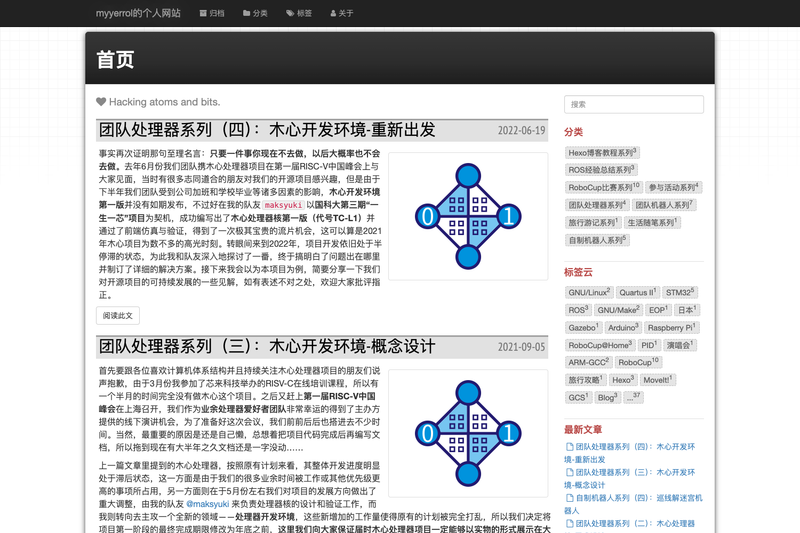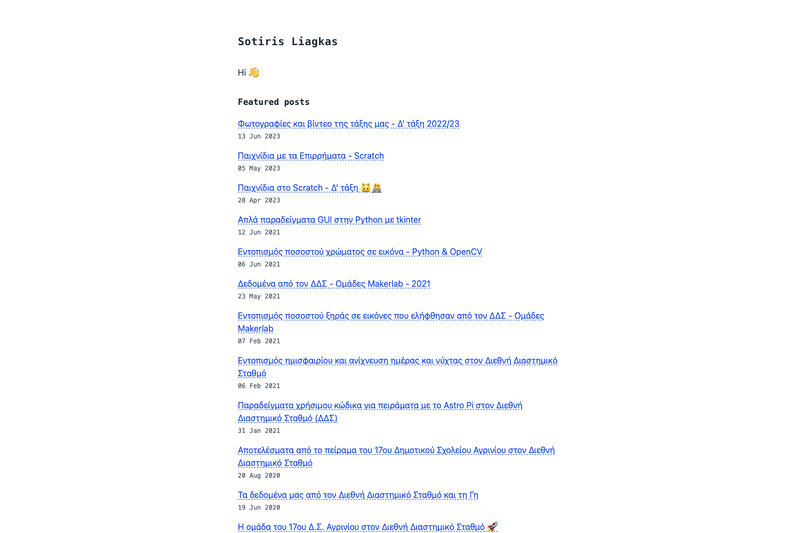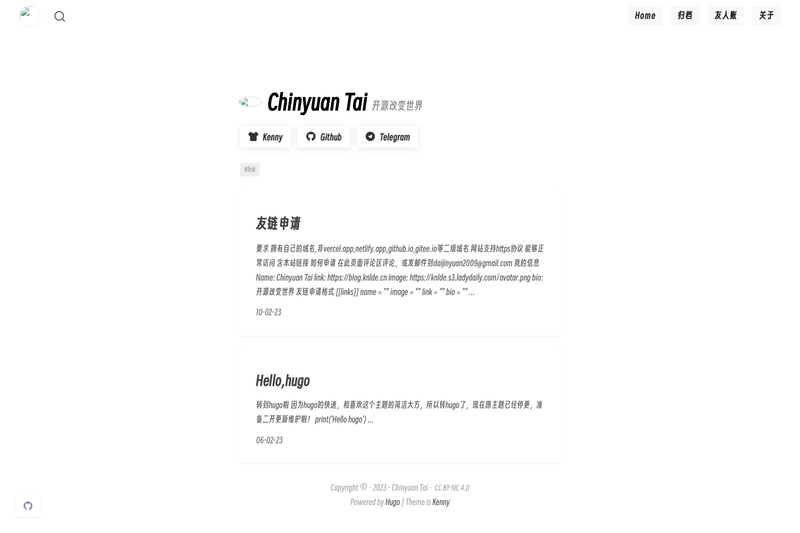
Hugo Theme Kenny is a Hugo blog theme forked from ThemeTony's hugo-theme-Tony, designed to provide a clean and fast blogging experience with a Chinese-friendly feature set. It runs on the Hugo static site generator, takes Markdown content from a Hugo project, and outputs a static website with built-in tagging, categories, search, and multiple comment integrations.
What is Hugo Theme Kenny?
Hugo Theme Kenny is an open-source Hugo theme created by Kindle-deep, derived from the hugo-theme-Tony repository. It is distributed under the GPL-3.0 license and installable as a git submodule. The theme converts standard Hugo content directories into a blog site, with features such as a homepage that marks pinned pages, a reading progress bar, and thumbnail support for posts.
Key Features
- Client-side search — Full-text search powered by Fuse.js works without a backend and indexes the site's content in the browser.
- Comment system integrations — Supports Valine, Waline, Twikoo, Artalk, and Discuss, so site owners can pick a backend that fits their hosting setup.
- Analytics and SEO tools — Google Analytics tracking and Baidu push (for Baidu indexation) are built in, helping with search visibility in both Western and Chinese markets.
- Reading progress bar — A visual progress indicator at the top of the page that fills as the reader scrolls through an article.
- External link guidance — Automatically suggests when a link leaves the site, improving UX and security perception.
- Media viewing — Medium Zoom and Fancybox provide lightbox-style image zooming and gallery browsing for post images.
- Syntax highlighting — highlight.js is included for code blocks, with support for a wide range of programming languages.
- Footer ICP record — A dedicated footer field for Chinese ICP filing numbers (备案号), a legal requirement for websites hosted in mainland China.
- Pinned pages — Allows certain posts or pages to appear pinned on the homepage for visibility.
- Share functionality — Share.js adds social sharing buttons for posts.
Who is it for?
Hugo Theme Kenny suits bloggers who want a self-hosted static blog with search and comments but without building those features themselves. It also fits developers in China who need ICP filing support in the footer and Baidu push for indexing. Users migrating from the Tony theme or looking for a similar layout can adopt Kenny as a drop-in with its documented replacement of the site config.
What can you do with Hugo Theme Kenny?
- Personal bloggers: Set up a blog with post thumbnails, tags, categories, and a reading progress bar, then customize the theme via the exampleSite config.toml.
- Chinese-content creators: Enable ICP footer text and Baidu push to comply with mainland hosting rules and to accelerate Baidu search indexing.
- Developers wanting comments: Choose among Valine, Waline, Twikoo, Artalk, or Discuss for the comment backend and configure it through the theme's settings.
- Photography or media blogs: Use Medium Zoom and Fancybox to display high-resolution images with zoom and lightbox galleries.
How does Hugo Theme Kenny work?
The theme is added to a Hugo project with a git submodule command (git submodule add --depth 1 https://github.com/Kindle-deep/hugo-theme-Kenny.git themes/Kenny). After replacing the site config with the exampleSite config.toml, run hugo server -D for local development. Updates are pulled via git submodule update --rebase --remote.
Pricing
Hugo Theme Kenny is free and open source under the GPL-3.0 license.
Alternatives
- PaperMod, a popular Hugo theme known for its minimal design and high speed.
- The original hugo-theme-Tony, on which Kenny is based, which shares a similar layout but lacks the extra integrations added here.
FAQ
Is Hugo Theme Kenny free?
Yes, Hugo Theme Kenny is released under the GPL-3.0 license, so you can use, modify, and distribute it freely. There are no paid tiers or premium features; the project is open source on GitHub.
Does it support comments?
Yes, it supports five comment systems: Valine, Waline, Twikoo, Artalk, and Discuss. You choose one and configure it through the theme's settings. This gives flexibility depending on your hosting and privacy preferences.
How do I install it?
Install it as a git submodule in your Hugo project with the command git submodule add --depth 1 https://github.com/Kindle-deep/hugo-theme-Kenny.git themes/Kenny. Then copy the exampleSite config.toml into your site root and run hugo server -D.
Does it include analytics?
The theme includes Google Analytics and Baidu push. Baidu push submits your content to Baidu for indexing, which is useful if you target Chinese search traffic. Google Analytics covers western analytics needs.