Newsletter
Join the Community
Subscribe to our newsletter for the latest news and updates

Next.js ecommerce starter built as a web programming final exam, using MongoDB, Prisma, Tailwind CSS, and JWT auth.

Next.js onchain commerce template powered by OnchainKit and Coinbase Commerce, with multi-product checkout and Vercel deployment.
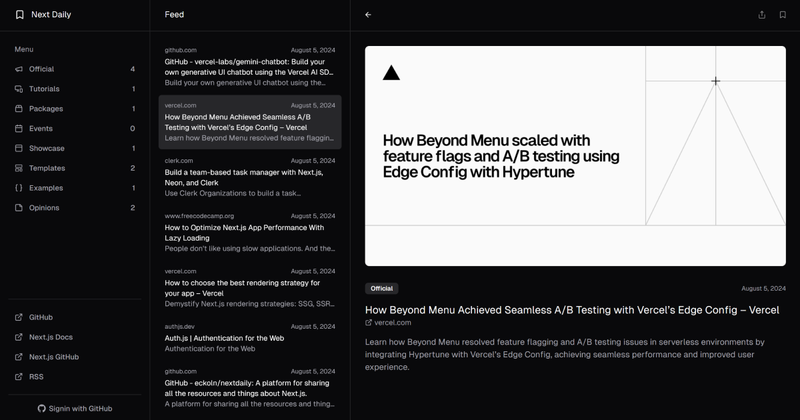
Open-source AI-native Next.js e-commerce template powered by Stripe, with a typed Commerce Kit SDK and 149 ready-made themes.
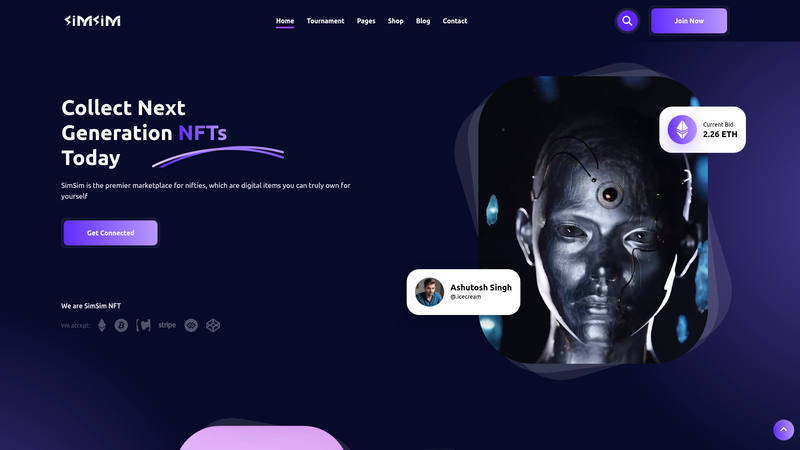
SimSim is a static NFT marketplace website template built with HTML, CSS, JavaScript, Bootstrap, GSAP, and jQuery UI.
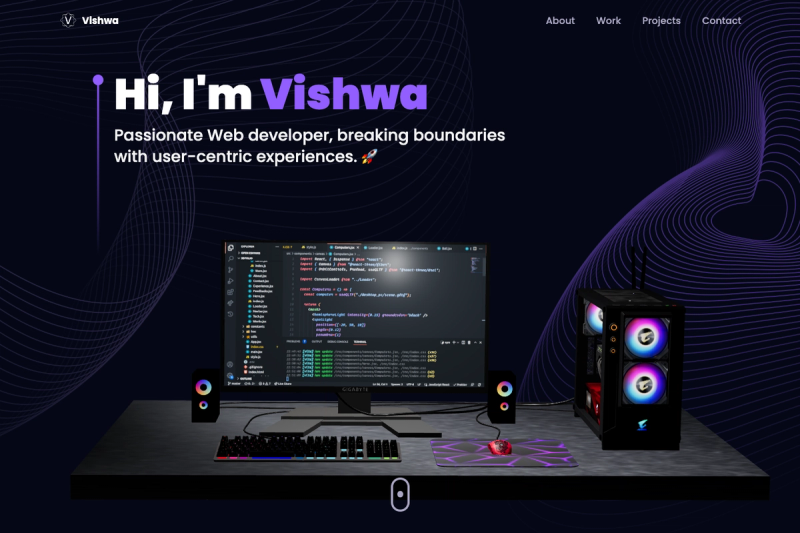
Full-stack e-commerce starter with Next.js 13 admin dashboard & CMS, using Tailwind, Prisma, MySQL and Stripe checkout.
Final Exam is an ecommerce boilerplate built with Next.js that serves as a complete web programming course project, delivering a MongoDB-backed online store with Prisma ORM, Tailwind CSS styling, and JWT authentication.
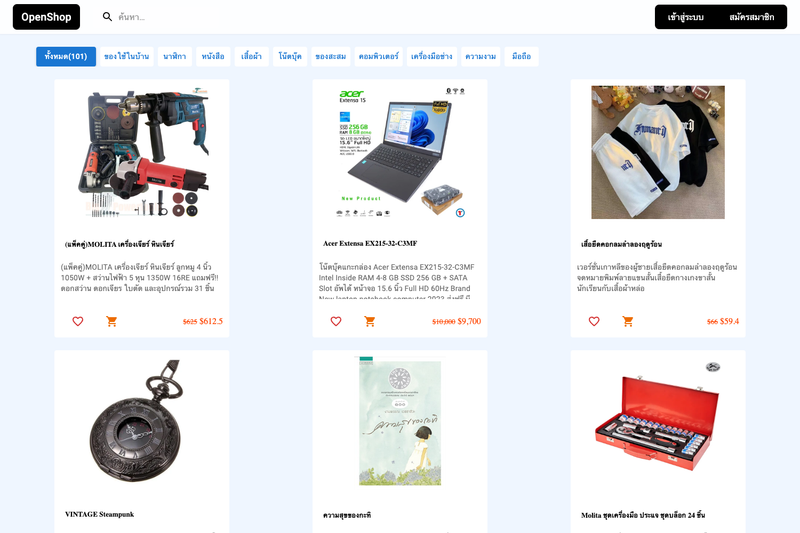
Final Exam is the public GitHub repository nawasan111/final-exam by developer nawasan111, created as the final examination for a web programming course. The README states that it replaces PHP and Laravel with JavaScript and Next.js, and it is organized around the MVC pattern. It takes product listings and user records stored in MongoDB and renders a public storefront at https://n-openshop.vercel.app, where visitors can register, log in, and manage the shop. The header icons identify the stack as Next.js, Tailwind CSS, Express.js, Prisma, and MongoDB.
This project stands out because it pairs a familiar Next.js storefront with an explicitly documented MVC structure and a frank list of its own security limitations. The notable features are:
rank field of a user to true directly in MongoDB and then logging in again; there is no in-app promotion UI.make up starts the full environment; the hosted demo restricts database writes, so Docker is required for complete use.production branch, which receives merges once the main branch is stable.mysql branch preserves the original MySQL implementation but is no longer updated.Final Exam is aimed at students and developers who want a working, small-scale ecommerce codebase they can read or extend. Three concrete audiences are:
npx prisma generate setup and import the released MongoDB dump to get a ready data set.make up (Docker) or install with pnpm, and launch dev mode with pnpm d to browse the shop locally.rank flag to true in MongoDB, and log back in to access admin functions.production branch to a hosting platform like Vercel for a public catalog, while remembering that write operations are limited on the hosted database.Setup follows four steps described in the README. First clone the repository and either run make up for Docker or install dependencies with pnpm install (or npm install). Second, create a .env file from .env.example and fill in the MongoDB connection string and a JWT secret. Third, run npx prisma generate and import the sample MongoDB dump from the releases page. Fourth, register a member, promote the user's rank to true in the database, and log in again.
Yes. The source code is public on GitHub and the README explains that MongoDB replaced MySQL because MongoDB does not charge money. Be aware that the Vercel-hosted demo at n-openshop.vercel.app limits database write access, so full functionality requires Docker Compose locally.
The repository header shows Next.js, Tailwind CSS, Express.js, Prisma, and MongoDB. The project is written in JavaScript instead of PHP and follows an MVC layout with JWT-based authentication.
After registering, connect to the MongoDB database, find the user, and change the rank field to true. Then log out and log in again; there is no in-app admin promotion feature.
The README states that https://n-openshop.vercel.app cannot be used fully because the database write permission is restricted for security. Running the project with make up through Docker Compose provides the complete experience.