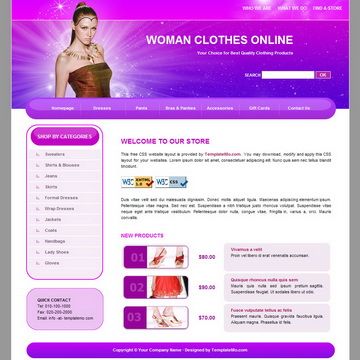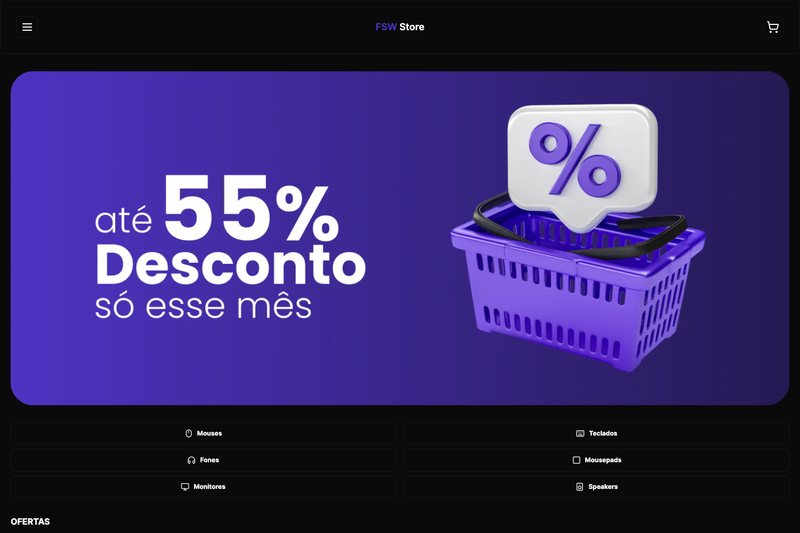
Storeverse Ecommerce Store is an open-source e-commerce template built on Next.js 13 that ships three connected components: a customer-facing storefront, an admin CMS dashboard, and a multi-vendor REST API. The storefront is live at slicker.vercel.app; the CMS dashboard runs at storeverse.vercel.app. It targets businesses that need a ready-made online shop with full control over products, categories, orders, and sales analytics.
What is Storeverse Ecommerce Store?
Storeverse Ecommerce Store is a full-stack e-commerce starter kit that combines a customer-facing website, an administrative content management system, and a backend API for multi-vendor stores. It is built with Next.js 13, React, and TypeScript, and it exposes two live deployments for testing: an e-commerce site at slicker.vercel.app and a CMS dashboard at storeverse.vercel.app. The project is distributed as an open-source GitHub repository and currently has 8 stars. It gives operators a single codebase to manage product catalogs, categories, billboards, filters, orders, and revenue reporting.
Key Features
- Multi-store management — The admin dashboard lets you add multiple vendors or stores, each with its own categories, products, and dedicated API routes, so one installation can power several independent shops.
- Category and product CRUD — Administrators can create, update, and delete product categories and individual products, including images, descriptions, prices, and inventory counts.
- Filter management — Set up filters such as color, size, or other attributes from the CMS; these filters drive the storefront's search and refinement options.
- Billboard promotion — Build promotional billboards that attach to a category or appear independently to highlight sales, announcements, or featured items.
- Order and sales tracking — View and manage customer orders, monitor sales, and generate revenue reports; the dashboard includes graphs to visualize performance.
- Clerk authentication — User login and access control are handled by Clerk, providing secure admin and customer authentication.
- Stripe payments with webhooks — Checkout runs through Stripe, and webhooks deliver real-time updates on successful transactions.
- Next.js 13 + Tailwind — The template is built on Next.js 13, TypeScript, Tailwind CSS, and PostCSS, with the storefront and dashboard as separate applications.
Who is it for?
- E-commerce founders — Launch a branded online store with a product catalog, cart, and Stripe-powered checkout without paying for a proprietary platform.
- Agency teams — Build multi-vendor marketplaces where each store gets its own categories, products, and API endpoints, all supervised from one admin panel.
- Developers — Use the codebase as a reference for Next.js 13 app structure, REST API design, Clerk integration, and Stripe webhook handling.
- Store operators — Manage day-to-day content through the CMS: products, filters, billboards, and order status, with sales analytics at a glance.
Use cases
- Online retailers: set up a catalog with product images, descriptions, prices, and filters, then process orders through Stripe checkout.
- Marketplace operators: onboard multiple vendors, give each its own API routes and product scope, and track revenue under a single dashboard.
- Marketing teams: publish category pages and billboards through the CMS to highlight promotions, and monitor sales impact with revenue graphs.
FAQ
What tech stack does Storeverse use?
Storeverse is built with Next.js 13, React, TypeScript, Tailwind CSS, and PostCSS. Authentication is handled by Clerk, and payments are processed through Stripe with webhook support for transaction updates.
Where can I see live demos?
The CMS dashboard is live at storeverse.vercel.app, and the e-commerce storefront is live at slicker.vercel.app. Both demos show different parts of the same template.
Can Storeverse run multiple stores?
Yes. The admin dashboard manages multiple vendors or stores, each with its own categories, products, and dedicated API routes, making it suitable for marketplace-style setups.
Does Storeverse include payment processing?
Yes, Stripe is integrated for secure checkout. Webhooks send real-time updates for successful transactions, and the dashboard tracks revenue and order data.