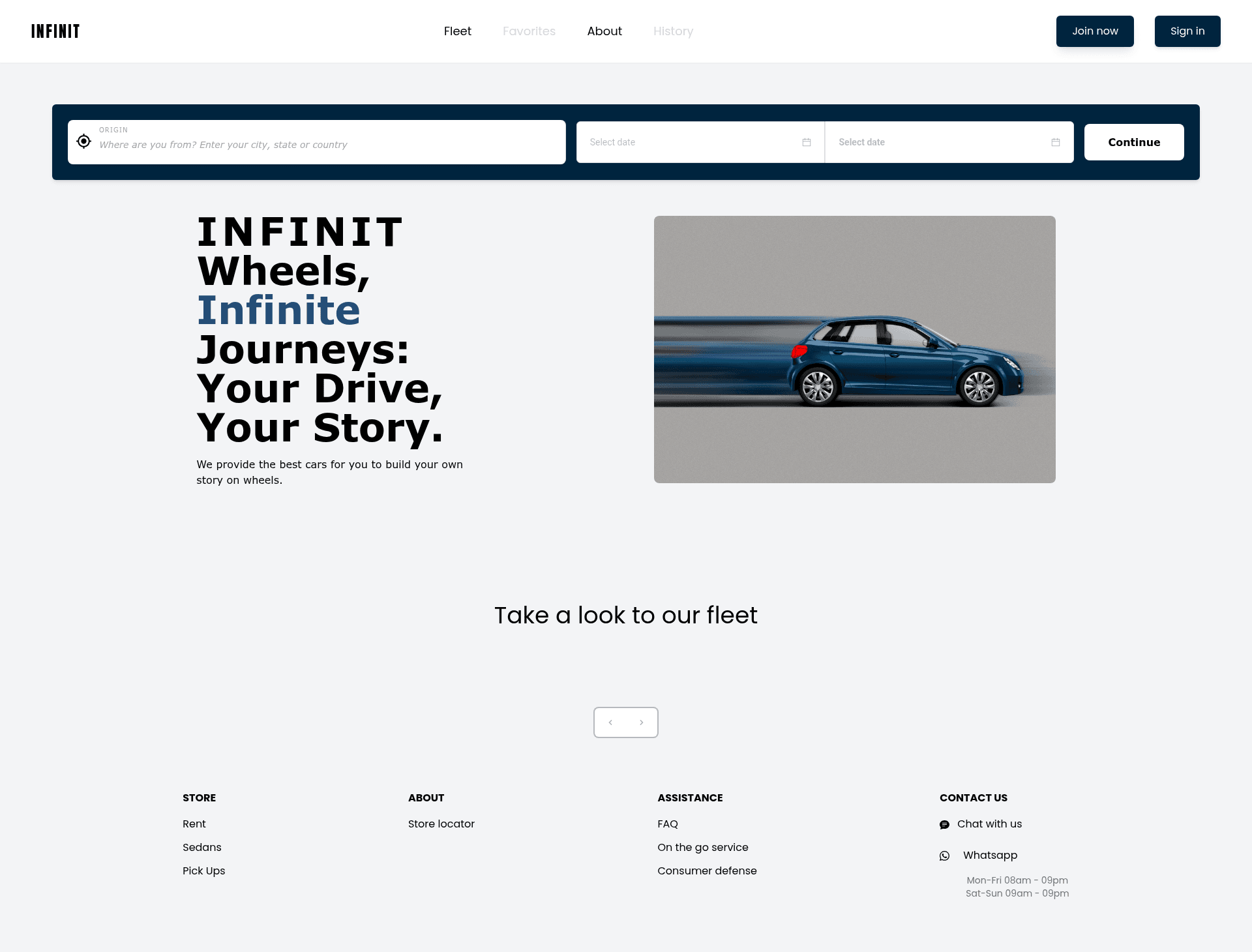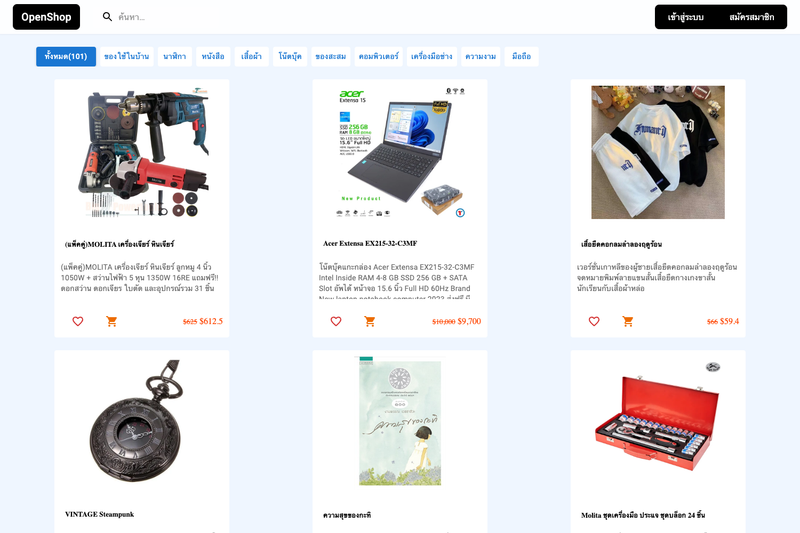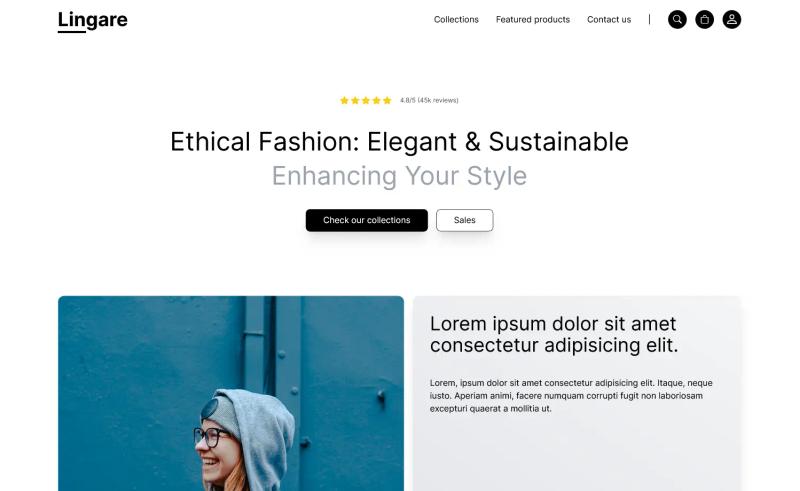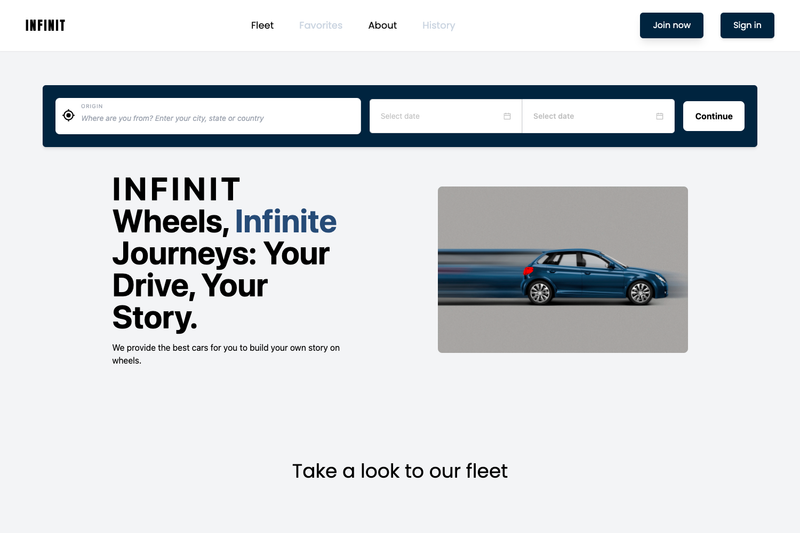
INFINIT is an open-source ecommerce storefront template built with Next.js, Tailwind CSS, and Prisma ORM, created as a collaborative team project and deployed to Vercel at https://infinit-ecommerce.vercel.app/. It provides a working product catalog with category browsing, a Nodemailer-based newsletter subscription system, and a PostgreSQL database layer, making it a practical starting point for full-stack ecommerce development.
What is INFINIT?
INFINIT is a Next.js ecommerce storefront with a Prisma ORM layer connected to PostgreSQL, styled with Tailwind CSS and supplemented by Material UI and Emotion components. It accepts product and category data from a PostgreSQL database and renders a responsive storefront for customers. The project was built by a collaborating team and is open for cloning and local development.
Key Features
- Next.js framework — React-based framework that enables server-side rendering and the included storefront pages.
- Tailwind CSS styling — Utility-first CSS framework used for responsive page layout and component styling.
- Prisma ORM with PostgreSQL — Type-safe database queries and migrations for product and category storage.
- Nodemailer newsletter subscription — Implemented email subscription feature that sends newsletters through Nodemailer.
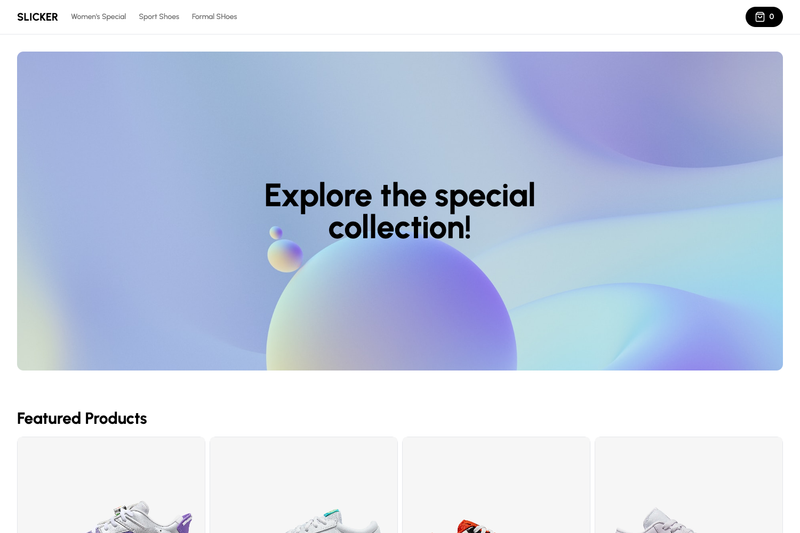
- Storefront with products and categories — Existing product listing and category browsing pages for shoppers.
- Responsive design — Layout adapts to different screen sizes, as stated in the project features.
- Material UI and Emotion UI components — Component and styling libraries used alongside Tailwind for interface elements.
- Google Auth and AWS-S3 uploads (planned) — Unchecked roadmap items; authentication and file uploads are not yet implemented.
Who is it for?
- Full-stack developers — use INFINIT as a learning resource to see Next.js, Prisma, and PostgreSQL working together in an ecommerce context.
- Student or team projects — the README describes a large group collaboration, making it a model for teamwork in software development courses.
- Ecommerce founders — can clone the repo, configure environment variables, and start with a product catalog and newsletter rather than building from scratch.
What can you do with INFINIT?
- Developers: set up the project locally by running the documented commands: clone the repository, install dependencies with npm i, copy the .env-example file to .env, update variables, and start the dev server with npm run dev.
- Deployment engineers: follow the included guides for Vercel, Netlify, or Docker to deploy the storefront to production.
- Store owners: use the existing storefront with product categories to list items and collect newsletter subscriptions through Nodemailer.
How do you run INFINIT locally?
The README provides a four-step local setup: clone the GitHub repository, install dependencies, copy the environment example file to .env and fill in variables, then start the development server. This workflow assumes Node.js and npm are installed.
Roadmap
The project lists two unimplemented features: authentication with Google Auth and file uploads with AWS-S3. The file uploads integration is already selected as a future enhancement, and the codebase structure for Prisma and PostgreSQL is ready for extension.