Newsletter
Join the Community
Subscribe to our newsletter for the latest news and updates

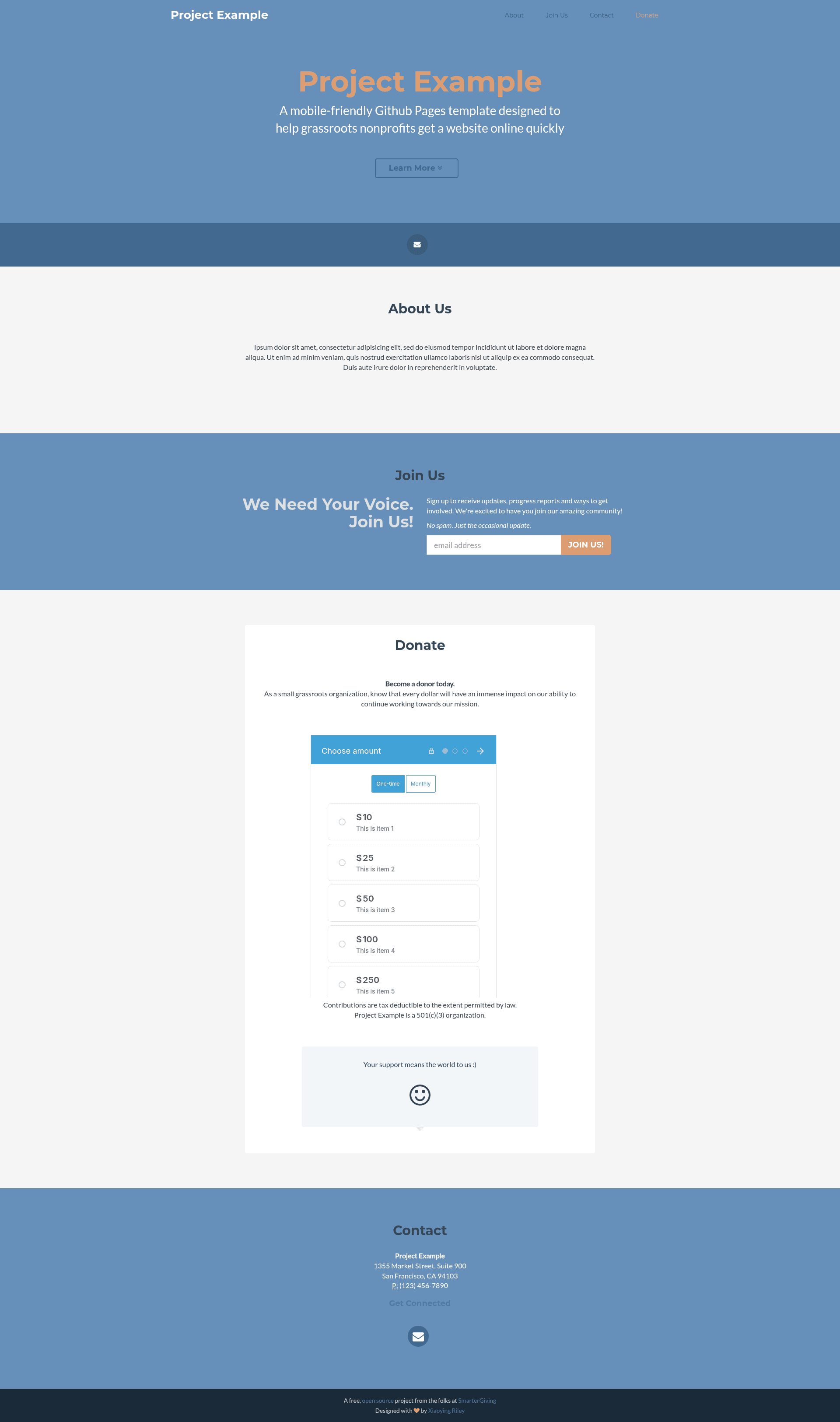
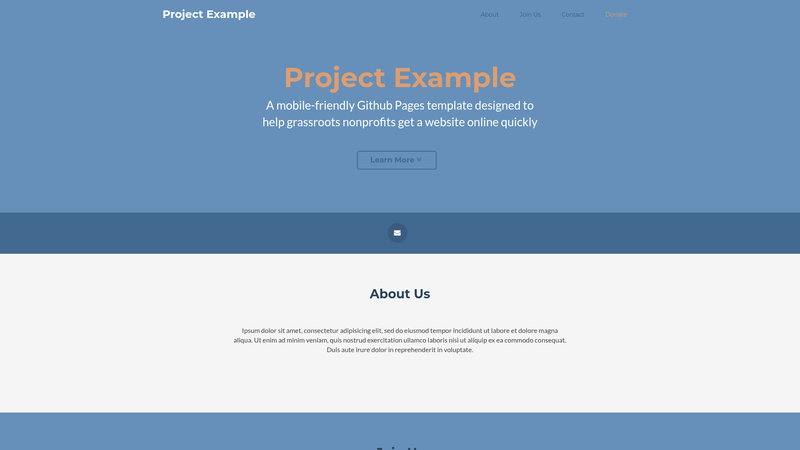
A free Jekyll GitHub Pages template for nonprofits with online donations via DonorBox/Stripe and email capture via TinyLetter.
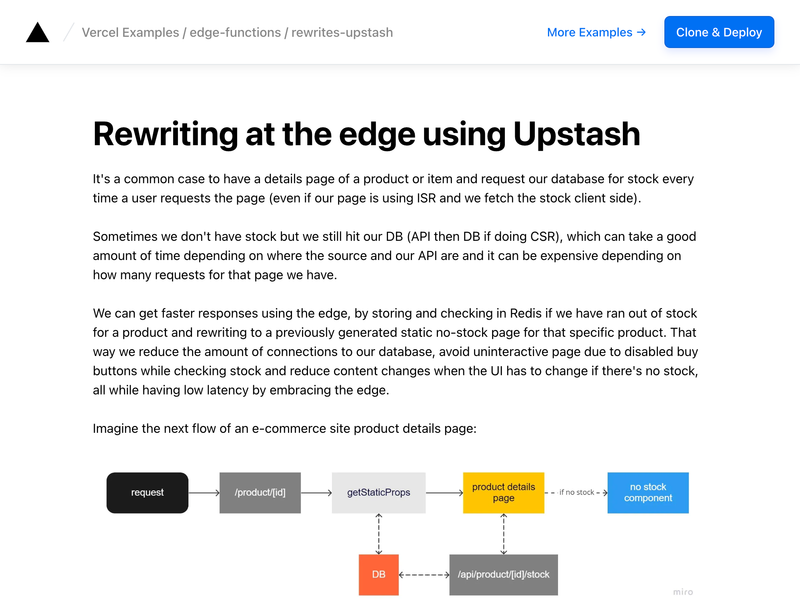
Learn how to avoid calling several services by pre-checking stock at the edge using a redis cache.
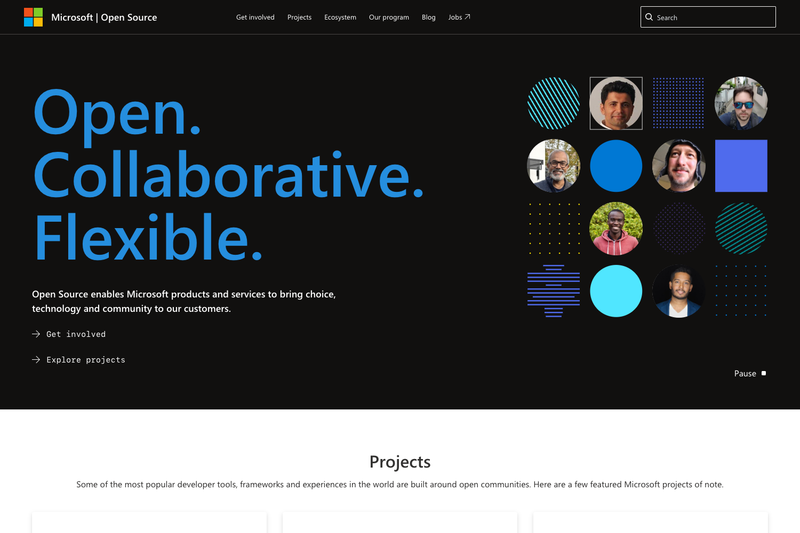
Source code for Microsoft's open source site on Next.js, featuring projects, program details, and 'get involved' pages.
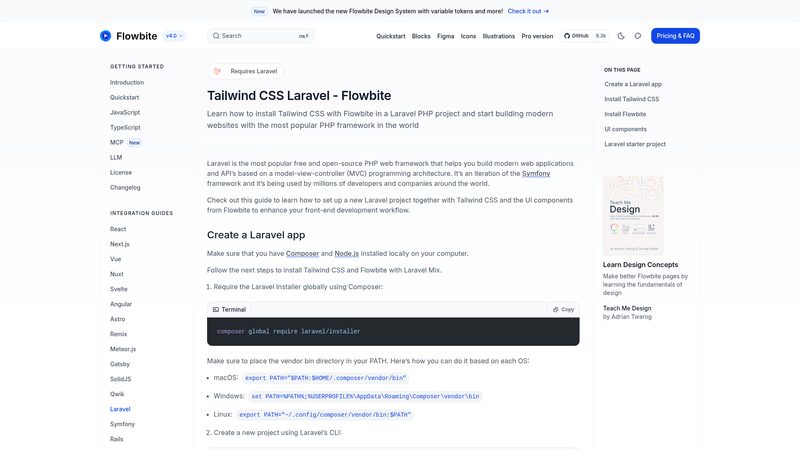
A free and open-source starter project to help you get started with the Flowbite Library components and Laravel
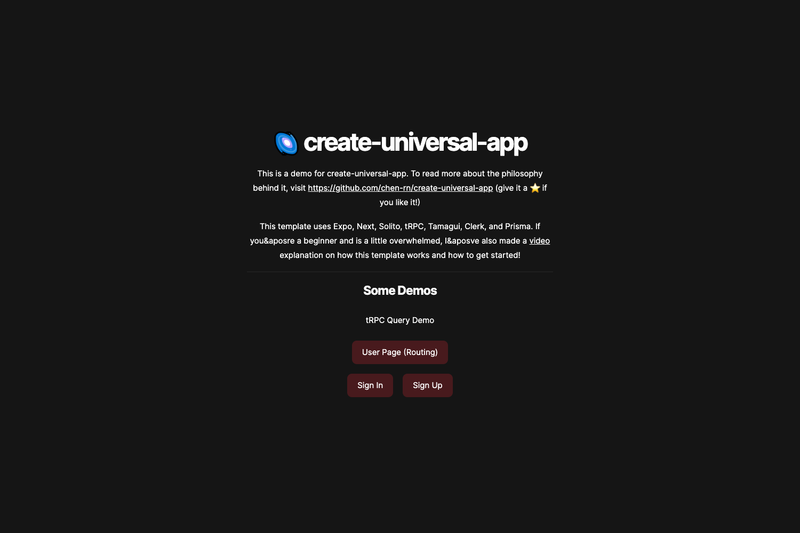
Opinionated template for full-stack universal apps with Expo, Next.js, tRPC, Prisma, Clerk, Solito, and Tamagui.
The Free Nonprofit Starter Website is an open-source Jekyll template for GitHub Pages that lets grassroots nonprofits launch a live website with online donations and email capture in about an hour.
The Free Nonprofit Starter Website is a Jekyll-based template distributed under the MIT License by SmarterGiving. It takes a GitHub account and a few edited settings in a _config.yml file and produces a static website hosted at your-org.github.io. The site includes an embedded DonorBox form for Stripe-processed donations and a TinyLetter signup form for email capture.
your-org.github.io with no hosting costs for public repositories._config.yml.color_scheme: option in _config.yml swaps the site's palette without any HTML edits.your-org.github.io demonstrating your mission and contact details immediately after setup.The template is a standard GitHub Pages Jekyll site. After forking the repository into your GitHub organization, you edit _config.yml to add your organization's name, DonorBox campaign name, and TinyLetter username; GitHub Pages rebuilds the site automatically. The 7-step tutorial walks through creating GitHub accounts, forking the repo, setting up DonorBox/Stripe and TinyLetter accounts, and entering credentials.
The template itself is completely free, with no upfront or ongoing costs. It runs on GitHub Pages, which offers free hosting for public repositories. You will need to create accounts on DonorBox, Stripe, and TinyLetter; those services have their own pricing, which is not specified on this page.
No. The tutorial is designed for people who can set up email on a smartphone. You fork the repository, edit a configuration file, and create accounts on DonorBox and TinyLetter — no HTML or CSS is required for the initial launch.
Yes, the template is MIT-licensed and there are no upfront or ongoing costs. It runs on GitHub Pages, which provides free hosting for public repositories. Third-party services have their own pricing.
Create a DonorBox account (which will also set up Stripe for payment processing), add a campaign, and paste the campaign's form URL into _config.yml under the DonorBox username field. The site will then display the donation form.
Because the code lives on GitHub, anyone can fork the repository, modify the Bootstrap-based HTML, and submit a pull request. The README includes suggestions for next steps like setting up a local development environment with GitHub Desktop and Atom.
Edit _config.yml and change the color_scheme: option to one of the alternative palettes shown in the template's screenshots. The change takes effect after you commit the file.