Newsletter
Join the Community
Subscribe to our newsletter for the latest news and updates

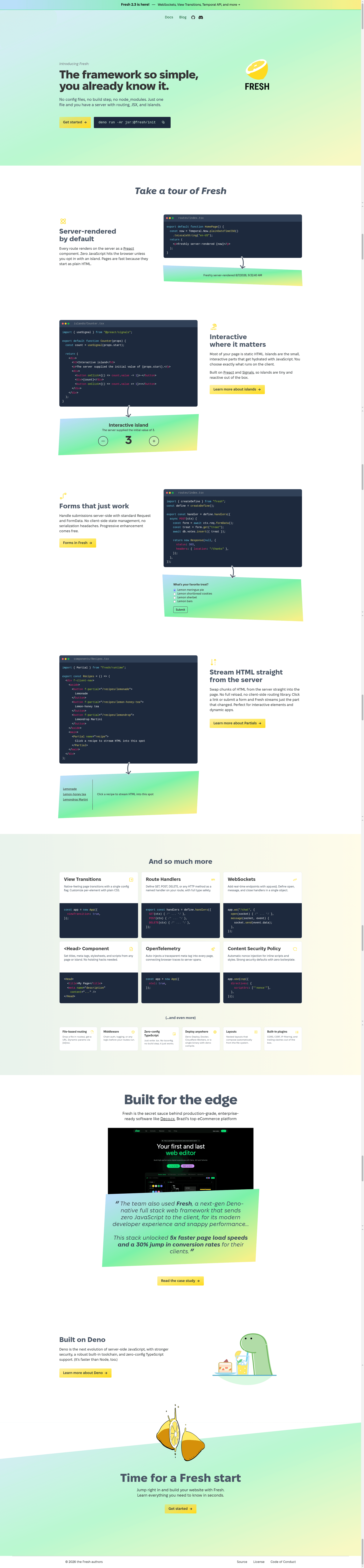
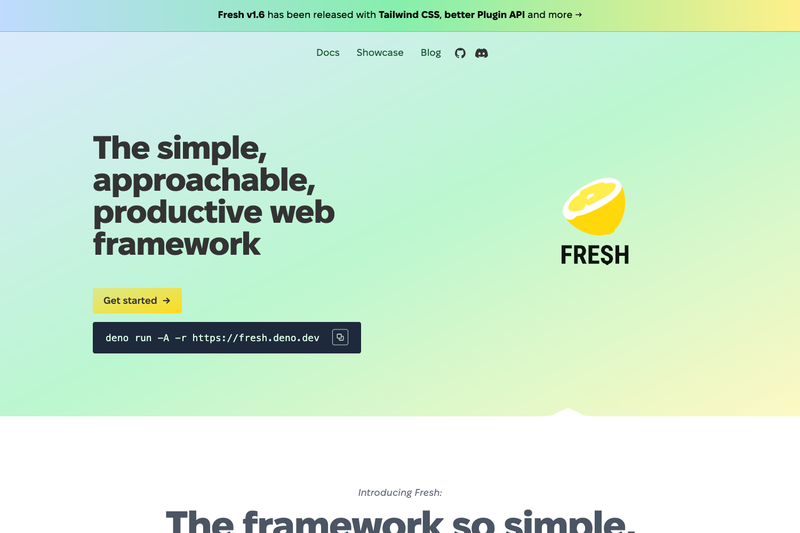
A next-generation web framework for Deno with island-based hydration and zero runtime overhead.

A modern, responsive Tailwind CSS website template for Discord bots with command search, dark theme, and zero build dependencies.
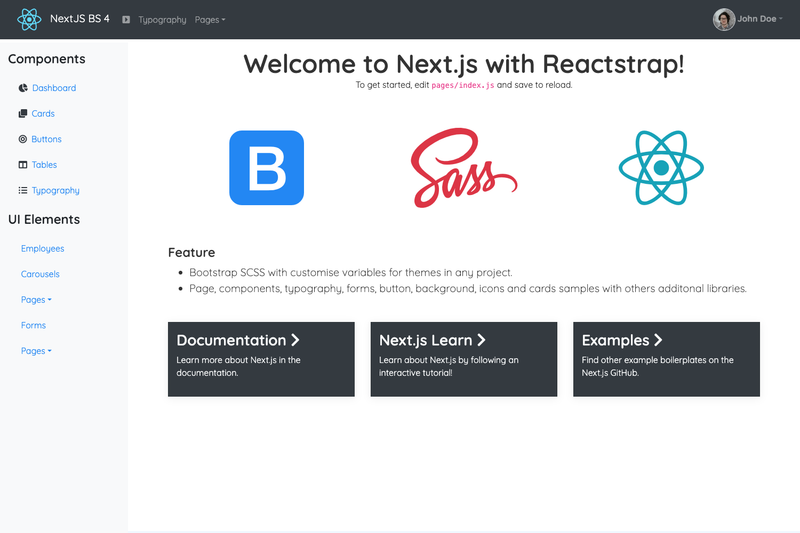
Next.js with Reactstrap (React dashboard web application with Bootstrap 4 Components from Reactstrap).
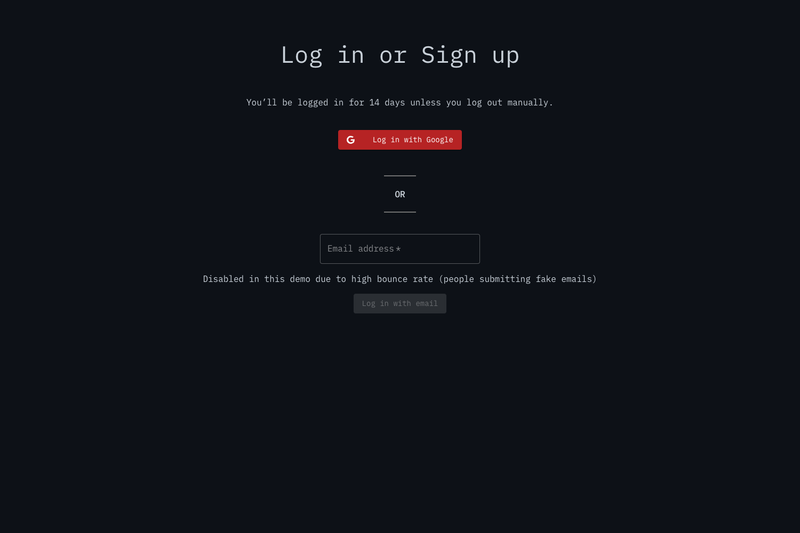
Open-source TypeScript boilerplate for building SaaS products with React, Next.js, Express, MongoDB, Stripe, and AWS.

Modern, fast, and fully static Astro starter with i18n, Tailwind CSS v4, and Shadcn theming.

A HTML5 optimized boilerplate for static websites
Fresh is a full-stack web framework for the Deno runtime that sends zero JavaScript to the browser by default and hydrates individual interactive "islands" only when needed. It is developed by the Deno team (the repository lives under denoland/fresh) and is designed to let you build server-rendered applications with TypeScript and Preact without any configuration or build step.
Fresh is a next-generation web framework built for speed, reliability, and simplicity, running entirely on the Deno runtime. It takes TypeScript and JSX source files in a file-system routed project and produces server-rendered web pages, with the option to selectively hydrate interactive components. Fresh is created and maintained by the Deno organization, and its documentation is hosted at usefresh.dev alongside an API reference on deno.land.
routes directory, following a familiar routing pattern.Fresh is for developers building web applications on the Deno runtime who want to send a minimum amount of JavaScript to the client. It is also suited for teams that prefer the React-like component API of Preact but want zero-configuration tooling, and for developers who want to deploy directly to Deno Deploy from a GitHub repository without setting up a separate server.
deno run -Ar jsr:@fresh/init to generate a new project, then start a development server on localhost:5173 with deno task dev.deno task screenshot [url] [your-app-name] and submitting a pull request.The getting started guide shows a straightforward workflow: install the Deno CLI, run the Fresh init script to scaffold a project, navigate into the newly created folder, and start the development server with deno task dev. To deploy, push the project to GitHub, create a Deno Deploy project, and select the repository — deployment happens with no configuration necessary.
Yes, Fresh is built on the Deno runtime. You must install the latest Deno CLI before you can scaffold a project, and the development and deployment workflows are Deno-native.
Fresh is an open-source framework hosted on GitHub under the Deno organization. You can use it freely and contribute following the contribution guidelines in the repository.
By default, none. Fresh uses island-based hydration, meaning only the interactive components you explicitly mark as islands are shipped as JavaScript. The rest of the page is server-rendered HTML.
No, Fresh uses Preact, which is a lightweight React-compatible library. The component API is similar to React, but Fresh does not ship with React itself.
You can deploy to Deno Deploy by pushing your project to GitHub, creating a new Deno Deploy project, and selecting that repository. The app is then served on a public subdomain without further configuration.