Newsletter
Join the Community
Subscribe to our newsletter for the latest news and updates

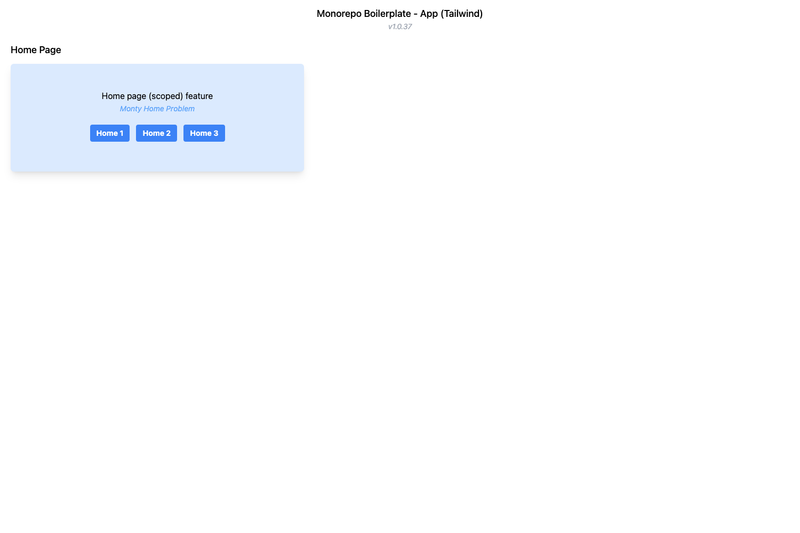
Frontend monorepo boilerplate with TypeScript, Vite + Next.js, Tailwind/MUI, and Turborepo for fast builds, tests, and deploys.
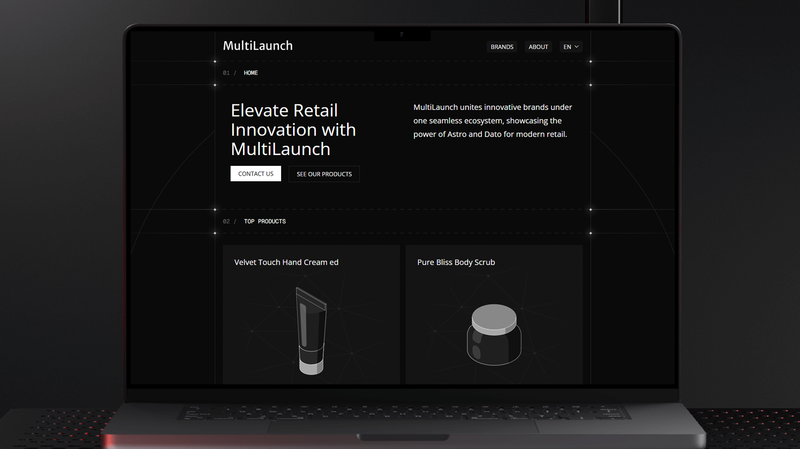
Astro & DatoCMS monorepo template for launching and managing multiple brands, languages, and regions from one codebase.
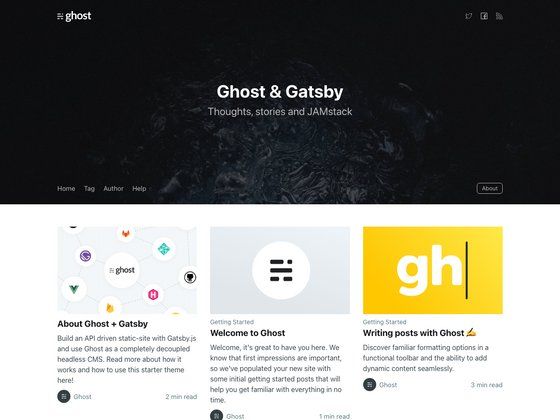
A Gatsby starter template for building fast websites with Ghost as a headless CMS, now deprecated and no longer maintained.
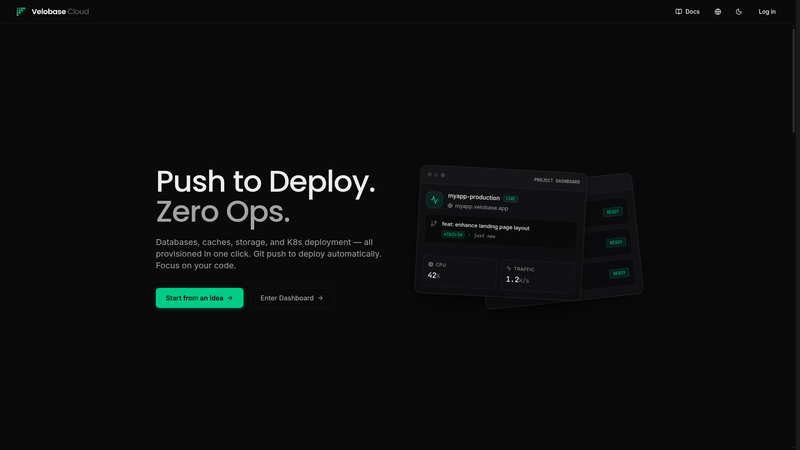
Open-source Next.js boilerplate that turns AI prototypes into paid SaaS with usage billing, payments, attribution, affiliates, and anti-abuse.
A production-ready Jekyll template with Tailwind CSS v4 and Alpine.js for fast GitHub Pages deployment with zero runtime dependencies.
A minimalist Astro theme ready to use with Tailwind, Prettier, ESLint, and optimized for SEO.
Supabase / Next.js / Grommet Starter!
Frontend Monorepo Boilerplate is an open-source, 100% TypeScript boilerplate that scaffolds a Turborepo-based monorepo containing Vite and Next.js v14 apps, three interchangeable styling packages (vanilla CSS, Tailwind v3, Material UI v5), and preconfigured build, test, lint, and deployment tooling.
This GitHub repository by mkosir provides a frontend-only monorepo template organized into apps and packages workspaces. It takes a new project's source code and produces a fully wired monorepo with build outputs in build and dist folders, Storybook builds, and automated CI/CD pipelines. It runs on Node.js v20+ and uses Turborepo as the build orchestrator, with Netlify for deploying apps, websites, and storybooks to prod and stage environments. The template is designed to be extended: it implements two workspaces, apps and packages, where configuration packages live in packages and are prefixed with config-.
The monorepo uses Turborepo to run scripts across all apps and packages from a single command. After installing dependencies with npm i, run npm run build to compile everything, then npm run dev to start all apps in parallel. The workspace is organized into apps and packages: configuration packages (prefixed config-) are consumed directly from source without transpiling, while all other packages are built to a dist folder. Git hooks set up by Husky on npm install enforce linting and conventional commit messages before each commit.
Pros:
Cons:
Yes, Node v20+ is the only requirement; the setup uses npm for installs and scripts.
The monorepo ships three UI packages: a vanilla CSS package, a Tailwind v3 components library, and a Material UI v5 library. They share a common theme and can be imported into any app.
Yes, Storybook is set up for all apps and packages. You can start it with npm run storybook and build all storybooks with npm run storybook-build; storybook deployments are hosted on Netlify for the app and website workspaces.
Merging to the main branch deploys to the stage environment, while creating a new GitHub release deploys to production, per the monorepo's deployment conventions.