Velobase Harness is an MIT-licensed, open-source SaaS boilerplate built on Next.js 15 that turns an AI prototype into a paid product by packaging usage billing, payments, attribution, affiliates, anti-abuse, and deployment infrastructure into a single codebase.
What is Velobase Harness?
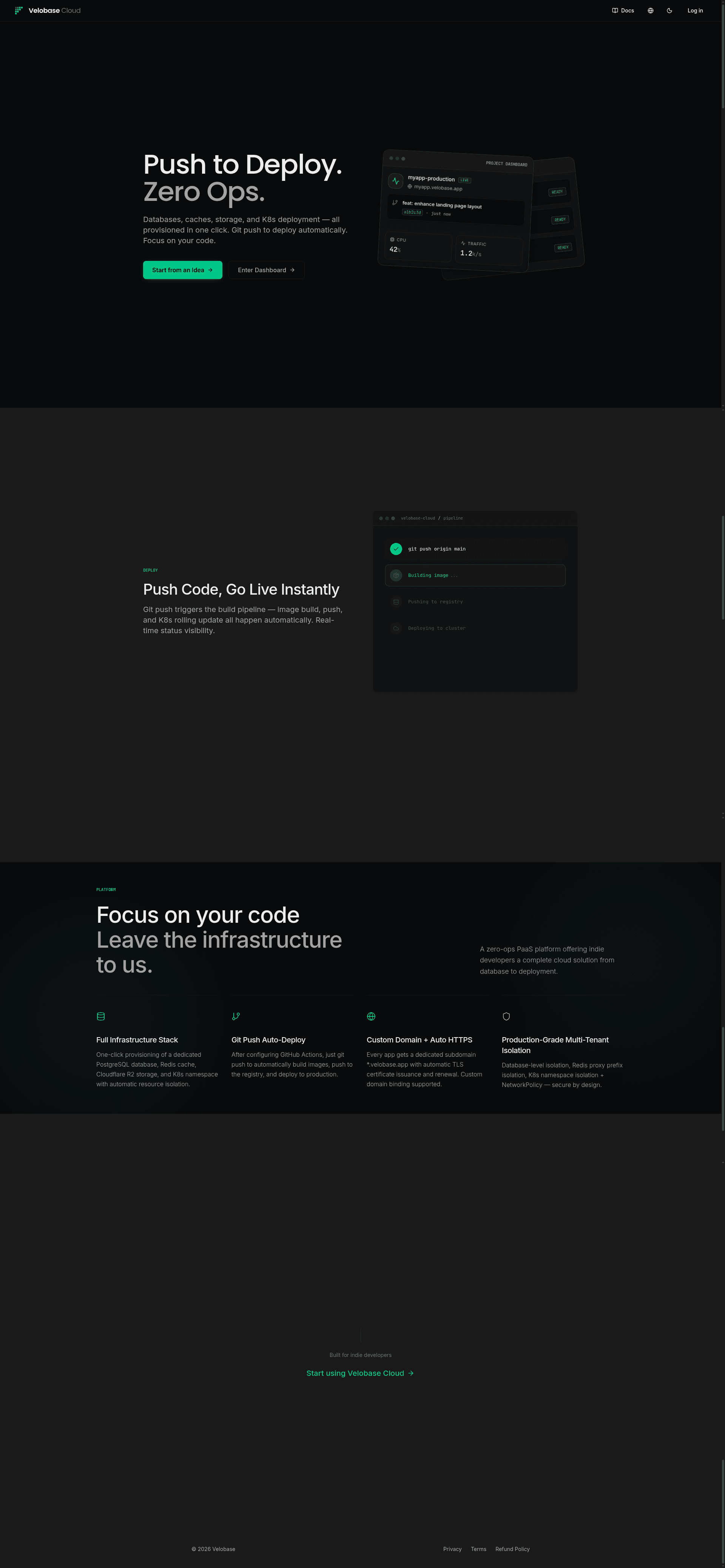
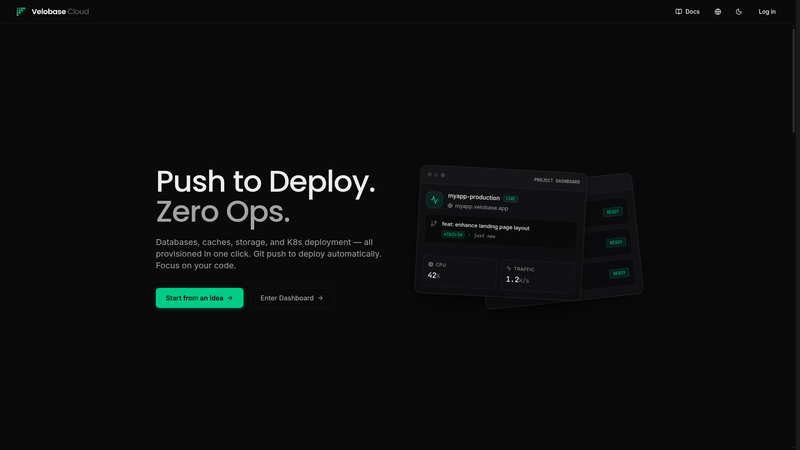
Velobase Harness is an open-source framework for AI SaaS builders. It takes a product idea or prototype and provides a working foundation—auth, multi-LLM chat, background workers, lifecycle email, admin tools—plus monetization rails such as subscriptions, usage-based payments, and credit management. The project is developed by Velobase and is MIT-licensed; a companion managed cloud service, Velobase Cloud, offers provisioning and deployment.
Key Features
- Usage billing and payments — Accept subscriptions and usage-based payments, manage credits, meter AI usage, and provide a customer billing dashboard from day one.
- Attribution and growth analytics — Connect purchases to acquisition channels with server-side attribution, Google Ads offline conversions, X pixel events, and PostHog analytics.
- Affiliate program — Run an affiliate program with a double-entry ledger, refund clawbacks, referral tracking, promo codes, and USDT cashout.
- Anti-abuse controls — Reduce free-credit abuse with rate limits, Cloudflare Turnstile, disposable-email checks, signup signals, guest quotas, and credit clawbacks.
- Modular architecture — Built on Next.js 15, React 19, TypeScript 5, tRPC, Prisma, PostgreSQL 16, Redis 7, BullMQ workers, and an optional Hono API service; UI uses Tailwind CSS and shadcn/ui components.
- Multiple runtime modes — Run as a single combined process (Web on :3000 and Worker on :3001) or split across terminals; SERVICE_MODE supports web, worker, api, and combinations.
- Quick start and deployment — Install with pnpm and Docker Compose; includes GitHub Actions deployment guidance and a Velobase Launchpad flow that generates a repo, provisions cloud resources, and produces an IDE prompt for AI coding agents.
Who is it for?
- Indie developers with an AI prototype — add monetization and production infrastructure without starting over.
- Teams already serving AI users — add usage billing, attribution, affiliates, and anti-abuse controls to an existing product.
- AI-native builders using Codex, Claude Code, or Cursor — give coding agents a documented production foundation to build on.
Use cases
- Indie AI developers: Ship a paid AI product quickly by using the built-in billing, auth, and chat modules instead of building payments from scratch.
- Growth-focused SaaS teams: Set up server-side attribution and affiliate tracking to understand which marketing channels drive paying customers.
- AI agents like Codex or Cursor: Use the generated Launchpad prompt and framework guide to implement product features while respecting framework boundaries.
How does Velobase Harness work?
To run locally, clone the repo, run pnpm install, copy .env.example to .env, then start PostgreSQL and Redis via Docker Compose with pnpm docker:db:up. After running database migrations and seed, pnpm dev:all starts the Web (port 3000) and Worker (port 3001). Alternatively, use Velobase Launchpad to describe your product idea—it generates a GitHub repo, provisions cloud resources, and creates a prompt for your AI coding agent.
Pricing
The self-hosted Harness is free under the MIT license. Velobase Cloud is a paid managed service that includes Harness source code, provisioned PostgreSQL/Redis/storage, and git-push deployment.
Alternatives
- ShipFast — a paid Next.js boilerplate that also targets rapid SaaS launches.
FAQ
Is Velobase Harness free?
Harness is MIT-licensed, so the source code is free to use, fork, and self-host. The managed Velobase Cloud service is a separate offering that provisions and operates infrastructure for you.
What tech stack does Velobase Harness use?
It uses Next.js 15, React 19, TypeScript 5, tRPC, Prisma, PostgreSQL 16, Redis 7, BullMQ, Tailwind CSS, and shadcn/ui. An optional Hono API service can be enabled via SERVICE_MODE.
How do I get started?
Run pnpm install, copy .env.example to .env, start Docker services with pnpm docker:db:up, run pnpm db:push and pnpm db:seed, then pnpm dev:all. Open localhost:3000.
Does Velobase Harness include usage-based billing?
Yes. It supports subscriptions, usage-based payments, credit management, AI usage metering, and a billing dashboard for customers. Anti-abuse features like rate limits and credit clawbacks are also included.
Can I deploy Velobase Harness to the cloud?
Yes. The repo includes a Cloud Deployment Guide and GitHub Actions workflow; the Velobase Launchpad flow can generate a repository and provision cloud resources for git-push deployment.