Newsletter
Join the Community
Subscribe to our newsletter for the latest news and updates

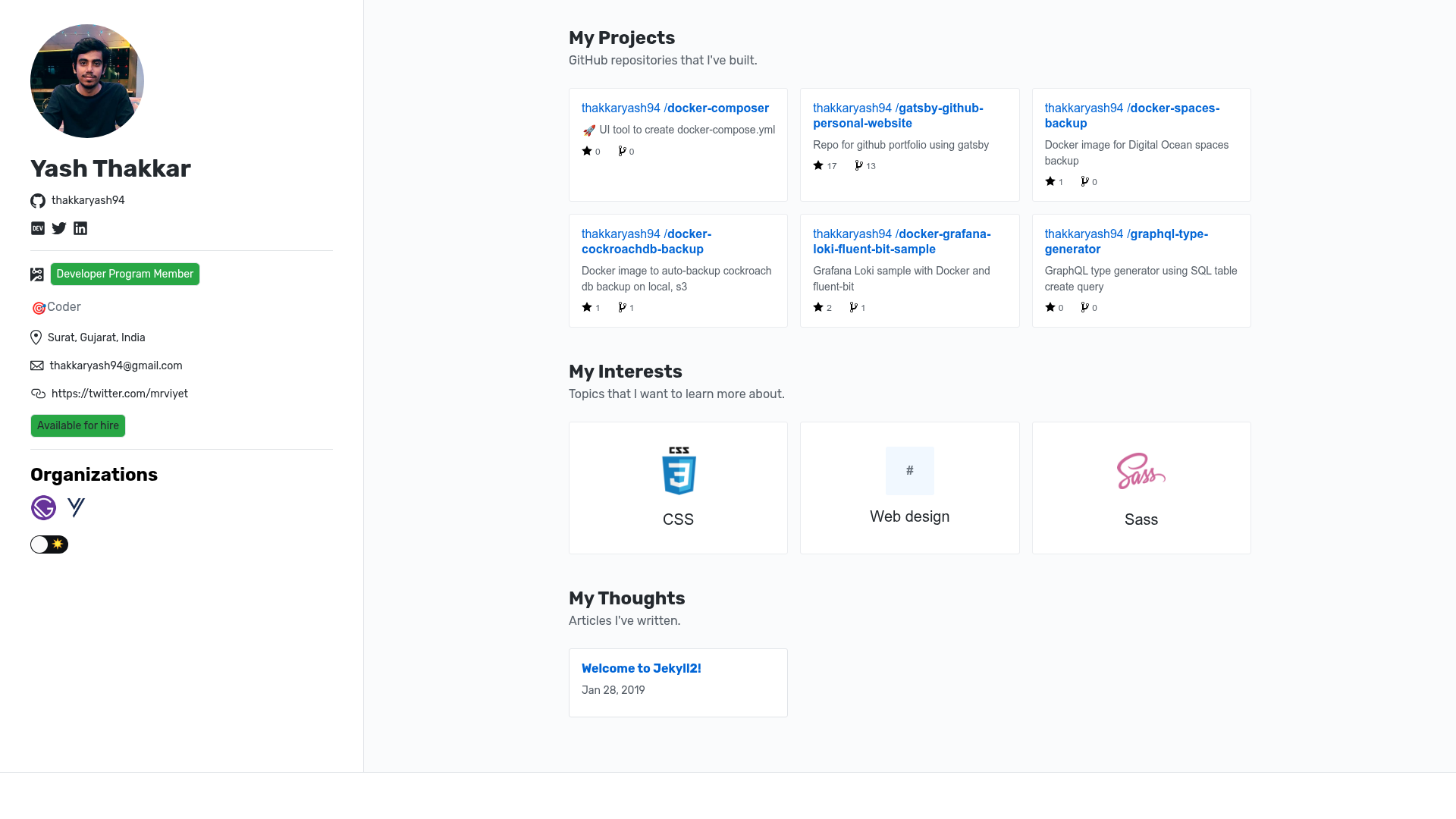
A GatsbyJS starter that builds a developer portfolio site auto-populated from GitHub data and hosted on GitHub Pages.
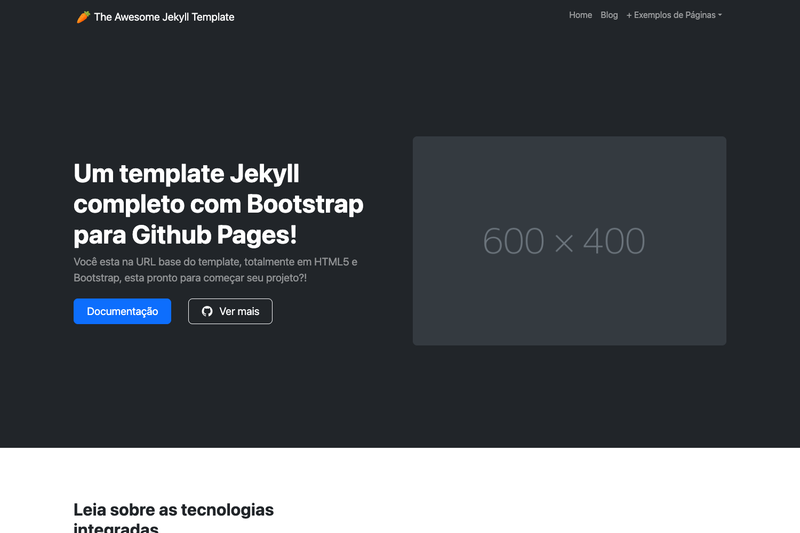
A production-ready Jekyll template with Tailwind CSS v4 and Alpine.js for fast GitHub Pages deployment with zero runtime dependencies.
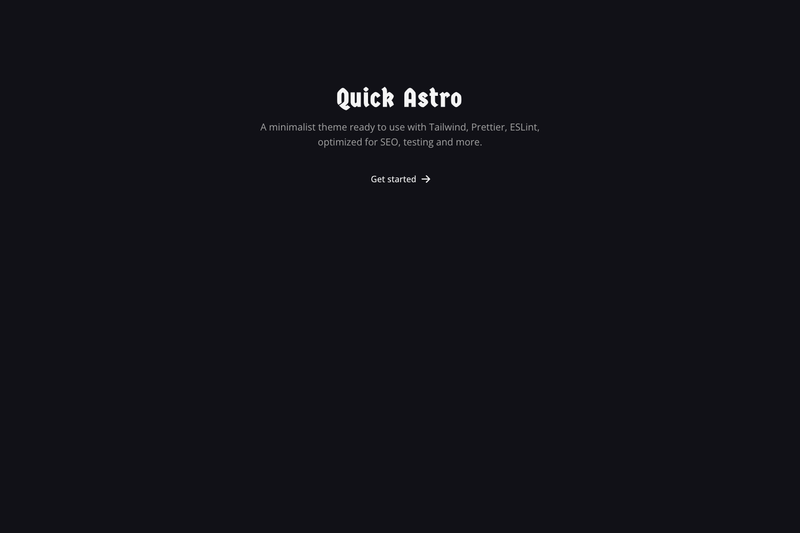
A minimalist Astro theme ready to use with Tailwind, Prettier, ESLint, and optimized for SEO.
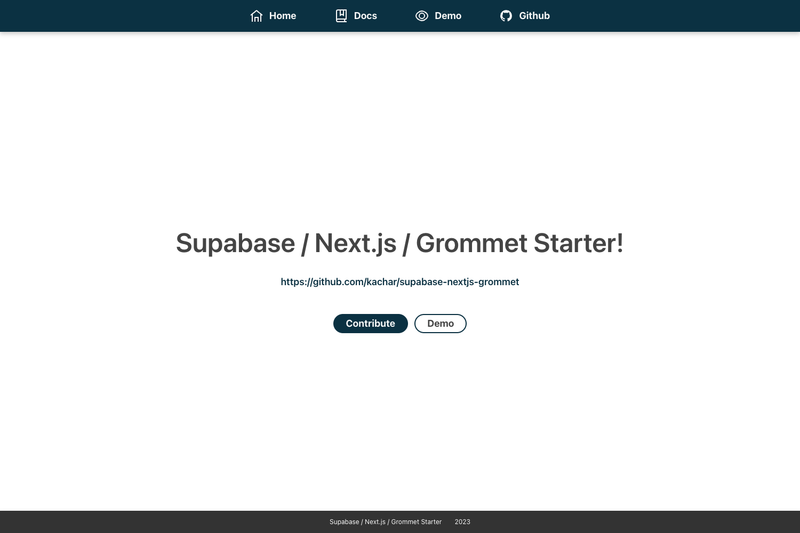
Supabase / Next.js / Grommet Starter!
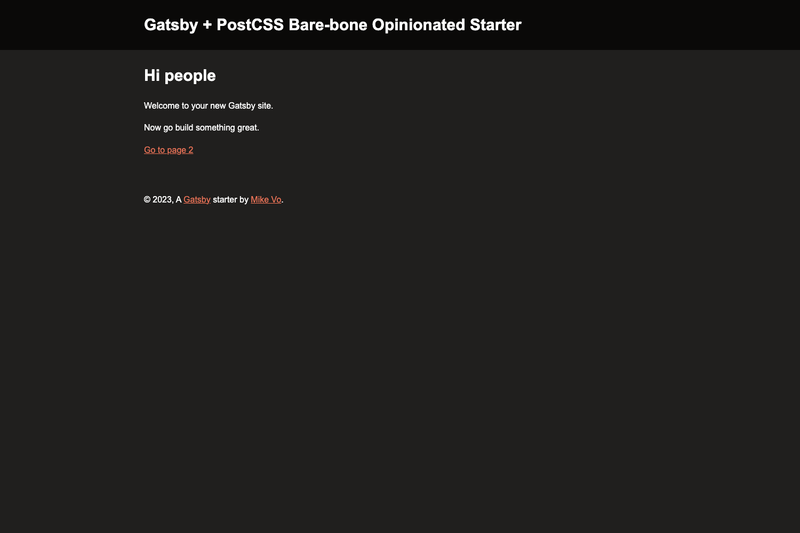
A Gatsby + PostCSS bare-bone opinionated starter.
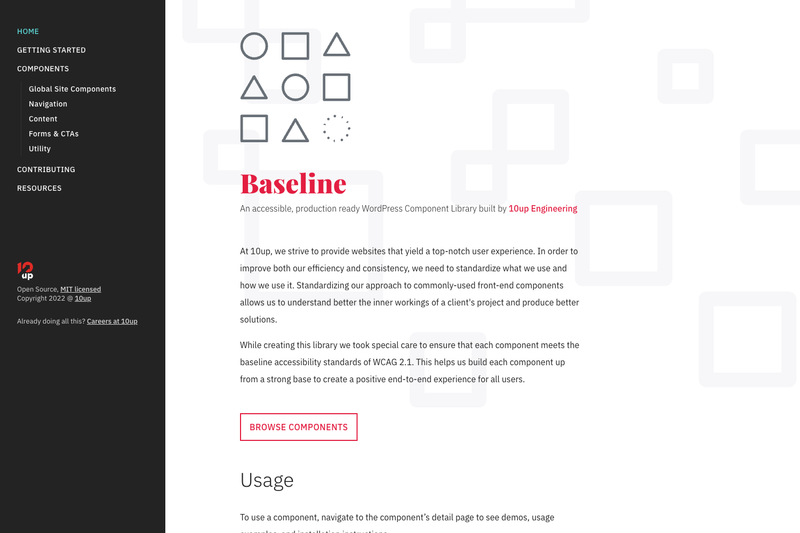
Archived: A library of barebones front-end components built with WordPress and accessibility in mind.
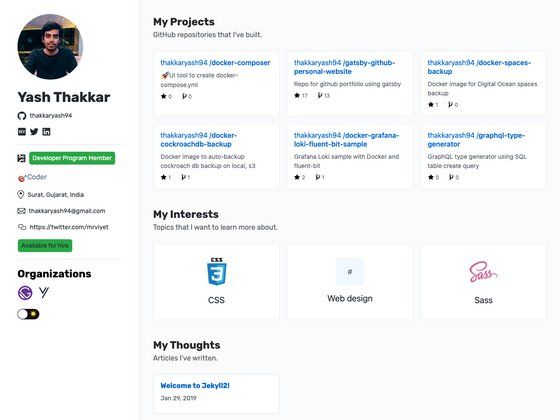
The Gatsby Github Personal Website is an open-source starter template that builds a developer portfolio site with GatsbyJS, auto-populates it from GitHub data, and hosts it for free on GitHub Pages. It is a JavaScript port of GitHub's original personal-website repository and is released under the MIT License.
This is a GatsbyJS-based starter repository that generates a personal website for software developers. It takes a GitHub username and a personal access token as input, fetches profile information, repositories, and topics through GitHub's GraphQL API, and produces a static site with a photo, bio, project listings, and blog. The final output is a folder of static HTML, CSS, and JavaScript files that can be served from the root of any GitHub Pages repository.
layout value in gatsby-config.js.style value from light to dark in gatsby-config.js to swap between white/dark text backgrounds..md files in /data/posts/ with a YEAR-MONTH-DAY-title.md filename and title front matter; a sample post ships with published: false./components/ directory includes interests.js, masthead.js, postCard.js, projects.js, repoCard.js, thoughts.js, and topicCard.js to display interests, profile info, posts, and repos.default, home, and post layouts are prebuilt; home is used on the index page and post is used for blog entries.@import from unpkg and allows custom overrides through /assets/styles.scss.Developers who want a personal portfolio without designing a site from scratch can fork this starter and have a live site in minutes. Job seekers and freelancers can use it to display their GitHub repositories and blog posts as a professional online presence. Gatsby learners can study a working example of a Gatsby site wired to GitHub's API and deployed on GitHub Pages.
/data/posts/; each becomes a page under your site's URL and appears in the "My Thoughts" listing.After forking the repository, create a GitHub personal access token with the scopes public_repo, read:org, read:user, and user:email. Then run npm install followed by GITHUB_TOKEN=YOUR_GITHUB_TOKEN npm run develop to preview at http://localhost:8000. For deployment, GITHUB_TOKEN=YOUR_GITHUB_TOKEN npm run gh-build generates the static site into a public folder and copies those files to the repository root, ready for GitHub Pages.
Yes. The starter uses the token to authenticate with GitHub's GraphQL API and fetch your profile data. The README specifies the exact scopes to grant and warns not to commit the token to the repository.
Yes. Set your domain in the repository's "Custom domain" settings on GitHub and configure a DNS provider. The GitHub Pages docs linked from the README cover the process.
Create a Markdown file in the /data/posts/ directory with a filename like 2025-01-01-my-post.md and include title in the front matter. The included placeholder post uses published: false, which hides it from the site.
The template is pre-configured with GitHub's Primer CSS framework, loaded through an @import in layout.scss. You can extend it by adding custom styles to /assets/styles.scss.
Yes, the theme is open source under the MIT License, so you can use, modify, and redistribute it freely.