Newsletter
Join the Community
Subscribe to our newsletter for the latest news and updates

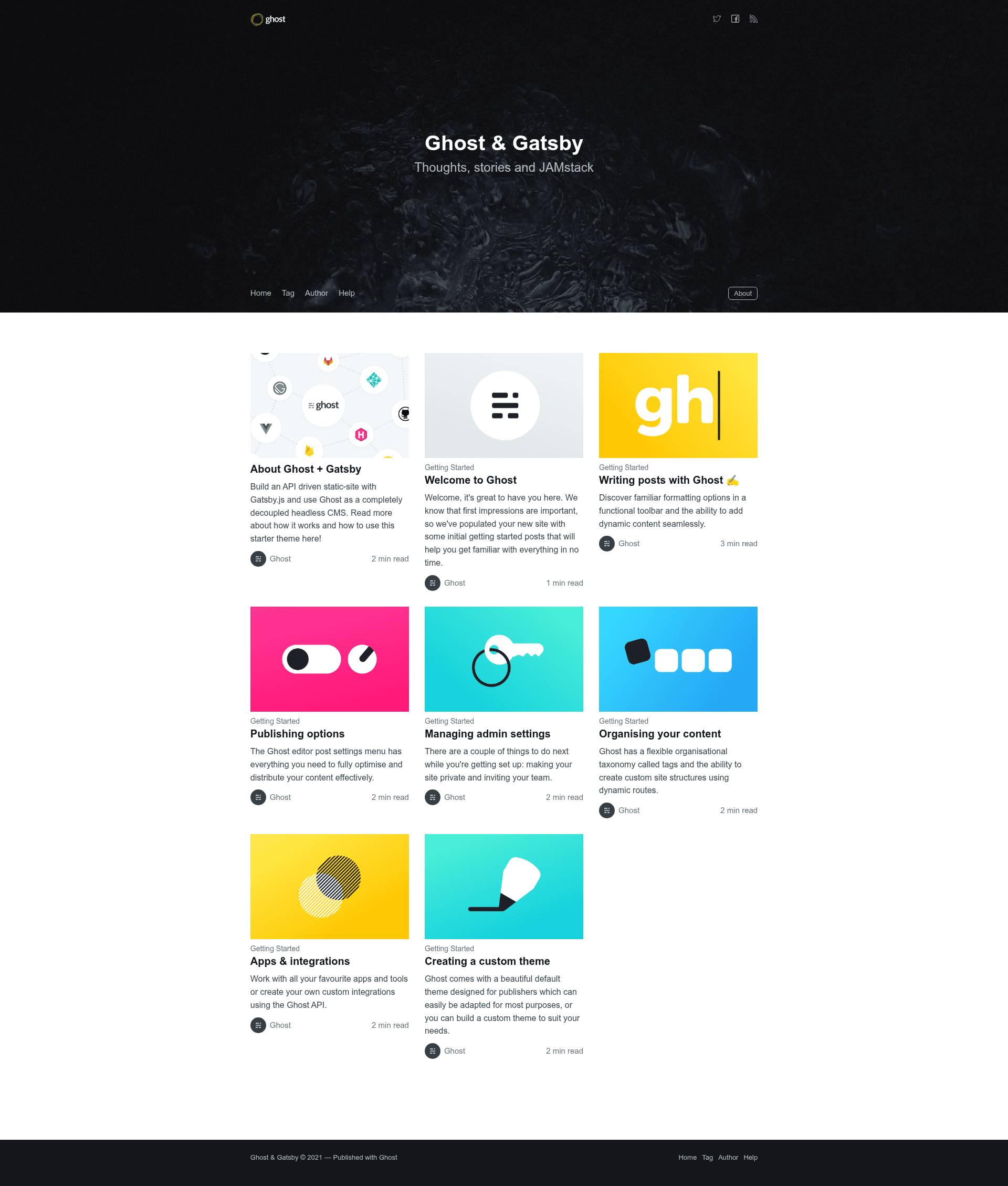
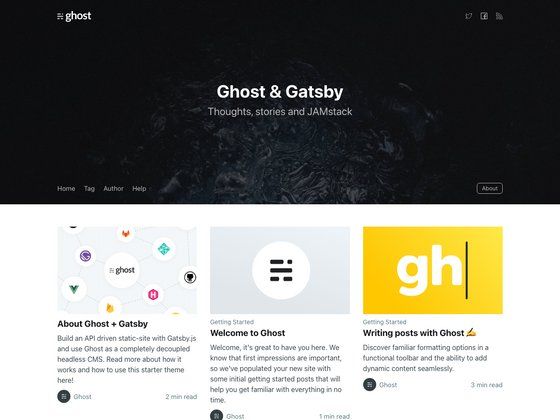
A Gatsby starter template for building fast websites with Ghost as a headless CMS, now deprecated and no longer maintained.

Free responsive Bootstrap 5 HTML5 landing page template for book-related websites with a yellow-violet color scheme and hero header.

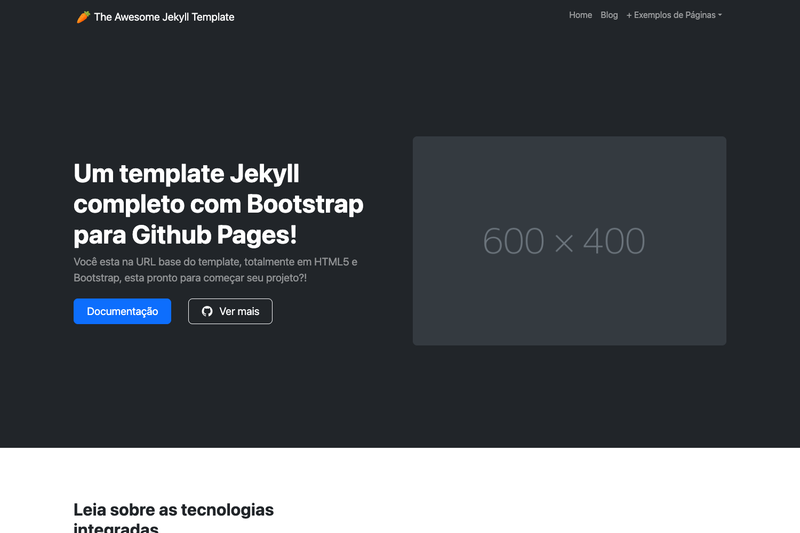
Free Bootstrap 4 HTML5 UI kit template with multi-page layout, responsive components, and SCSS source files.
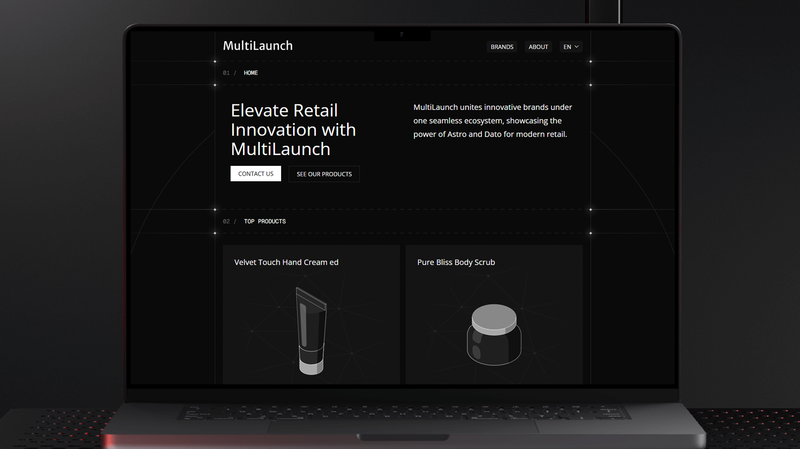
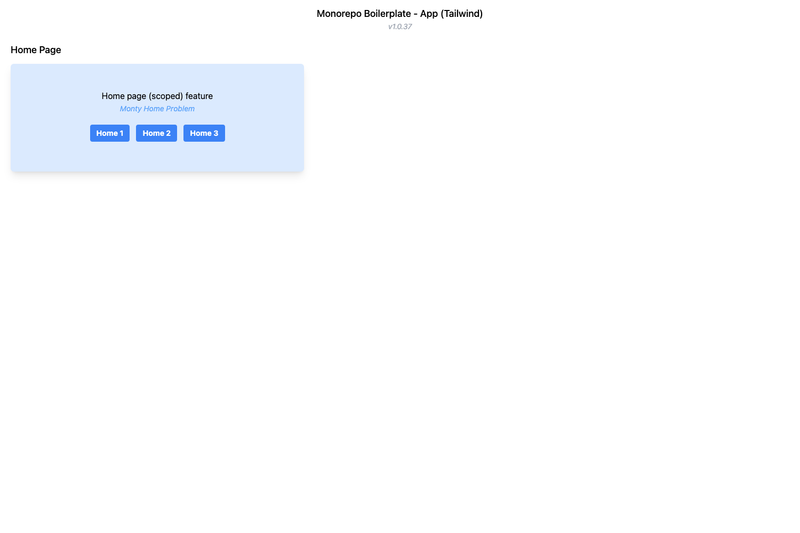
Astro & DatoCMS monorepo template for launching and managing multiple brands, languages, and regions from one codebase.
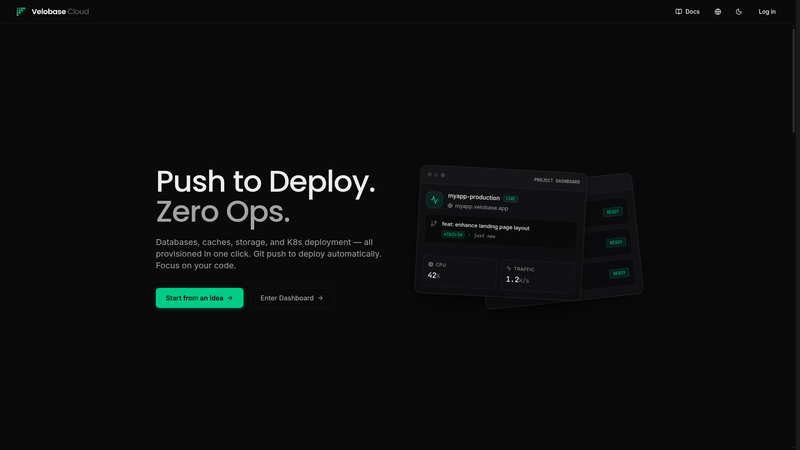
Open-source Next.js boilerplate that turns AI prototypes into paid SaaS with usage billing, payments, attribution, affiliates, and anti-abuse.
Gatsby Starter Ghost is a deprecated open-source starter template that builds a fast, static React website from a Ghost headless CMS using the Ghost Content API. This GitHub project by TryGhost pairs Gatsby with Ghost so content created in Ghost's admin (posts, pages, tags) is fetched at build time and rendered as a static site. The repository is no longer maintained — the README opens with a "Deprecated" notice — but the demo, code, and deployment configuration remain available.
Gatsby Starter Ghost is a starter template that connects a Gatsby static site to a Ghost CMS backend. As input it takes a Ghost installation's Content API URL and key, defined in a .ghost.json config file, and as output it produces a Gatsby site whose pages and posts are generated from that Ghost content. It was created by the Ghost team (TryGhost) and released under the MIT license. The project is no longer updated; the README carries a "Deprecated" notice at the top. The live demo is hosted at https://gatsby.ghost.org.
apiUrl and contentApiKey from .ghost.json; keys can stay in the repo or be overridden with Netlify environment variables.gatsby build for production output and gatsby serve to preview it locally.version property such as v4.0 in .ghost.json.netlify.toml, a /static/_headers file with security headers, and /static/_redirects for custom domain redirects, plus a one-click deploy button.noindex meta to the Ghost front-end, making the Gatsby site the primary SEO source..ghost.json supports both development and production sections, used by gatsby develop and gatsby build respectively.siteConfig.js lets you set the canonical site URL and postsPerPage for pagination.Gatsby Starter Ghost is aimed at Ghost publishers who want to leave Ghost's default Handlebars theme behind and serve a faster, React-generated static site while still writing in Ghost's admin. It also suits developers learning how a Gatsby front-end consumes a headless CMS through a Content API. Netlify users benefit from the included deployment files and integration path, making the starter a practical base for Ghost-powered static sites.
netlify.toml, headers, and redirects to start a production deploy immediately, then enable deploy hooks for automation.The setup flow starts with cloning or generating the starter via the Gatsby CLI, then installing dependencies with yarn. You edit .ghost.json to point apiUrl at your Ghost site and contentApiKey at an integration key created in Ghost Admin; for Ghost versions older than 5.x, a version property is also required. After configuring siteConfig.js, running gatsby develop serves a local site that fetches content from Ghost, and deploying to Netlify uses the included config files.
No. The repository README begins with a "Deprecated" notice stating the project is no longer maintained, so there may be no future updates or security patches.
The starter requires at least Ghost 2.10.0. The default configuration is for Ghost 5.x; for Ghost versions from 2.10.0 up to 5.x, you must set version in .ghost.json to a matching API version, such as v4.0.
Create an integration in Ghost Admin (Integrations → Add new integration), copy the generated Content API key, then set the apiUrl and contentApiKey values in your .ghost.json file. For production builds, these can be moved to Netlify environment variables.
Yes. The starter includes netlify.toml, static security headers, and redirect rules, plus a deploy button that triggers a Netlify site from the GitHub repository. The Ghost + Netlify integration can then trigger rebuilds on content changes.
It is released under the MIT license, with copyright held by the Ghost Foundation (2013-2025).