Newsletter
Join the Community
Subscribe to our newsletter for the latest news and updates

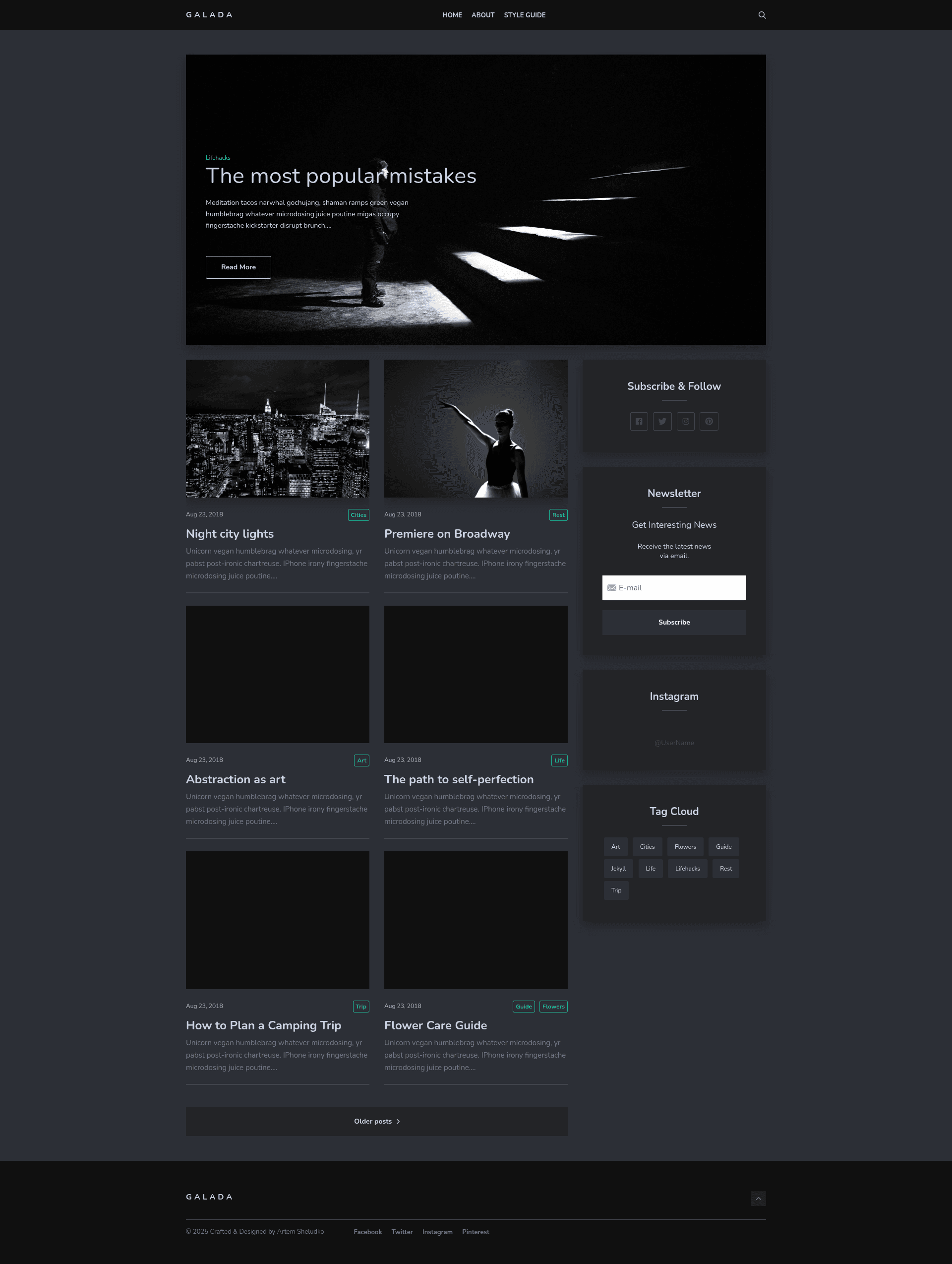
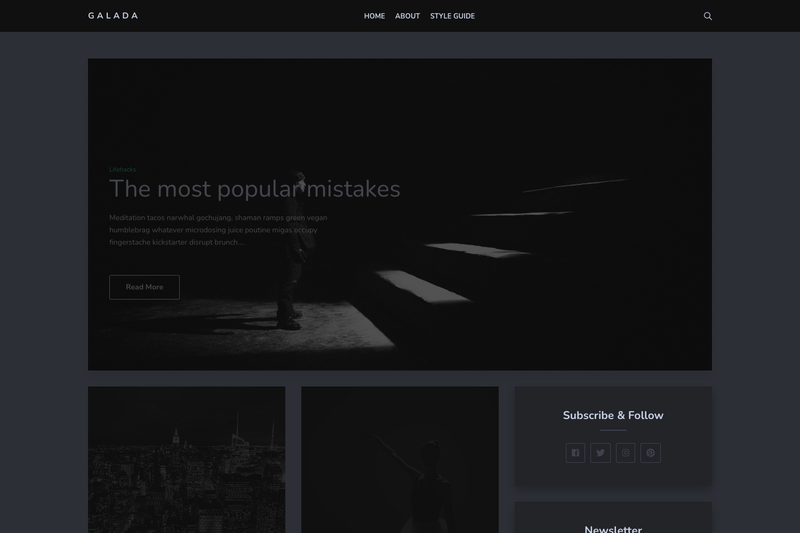
Galada is an easy and simple blog theme for Jekyll with a dark minimal design.
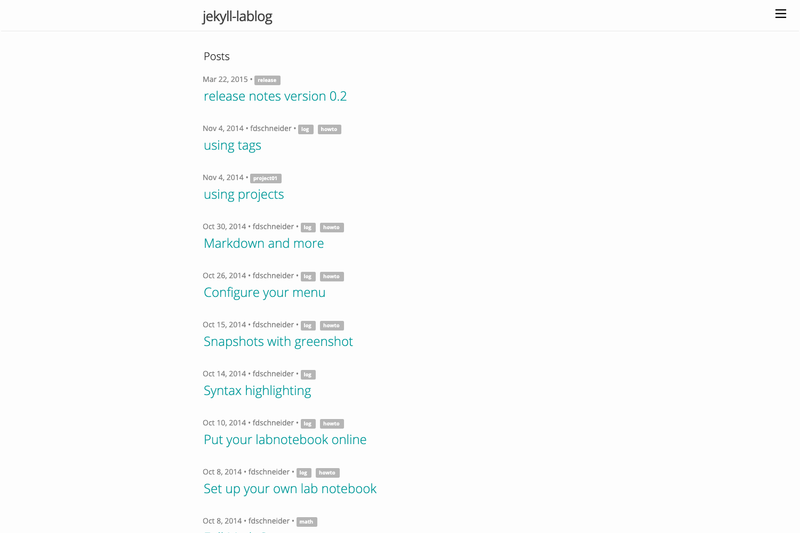
A Jekyll template based on the default theme that adds features for using the static site as a research lab notebook and knowledge base.
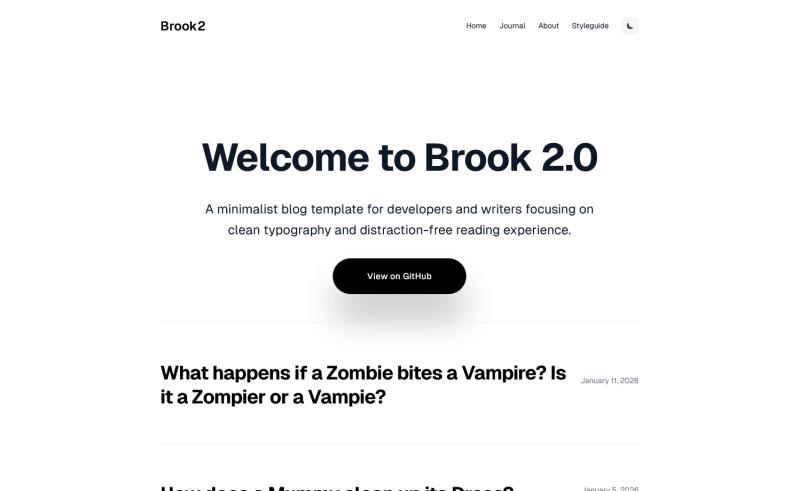
Free multipage blogging website template built with Tailwind CSS v4.2.2 and Astro v6.1.5, featuring light/dark modes and 4+ prebuilt pages.
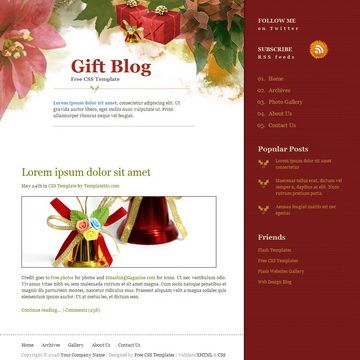
Free 2-column HTML CSS blog template with left-aligned fixed-width layout and a subpage supporting 3 levels of commenting.
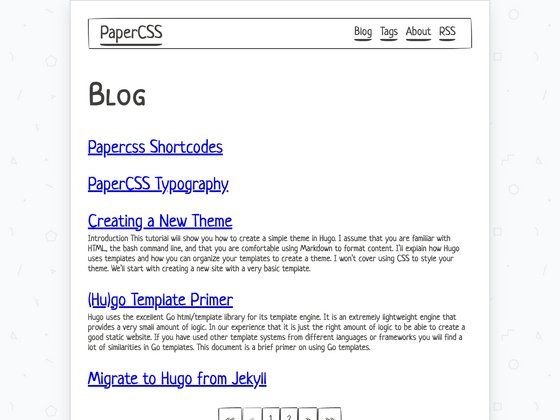
A Hugo theme made with PaperCSS, the less formal CSS framework.
Galada is a free, dark-colored Jekyll theme for personal blogs, built with a minimal responsive design and integrations for Disqus comments, Instagram feeds, and Google Analytics.
Galada is an easy and simple Jekyll theme designed for personal blogs. It takes standard Jekyll markdown posts from the _posts directory and renders a 100% responsive, minimal blog with a dark color scheme. It is created by Artem Sheludko and is free under the MIT license. The theme runs on Jekyll, a static site generator, and is compatible with GitHub Pages.
Galada is designed for personal bloggers who want a simple, dark-themed blog without extra clutter. It fits writers, developers, and creatives who publish regular posts and want a mobile-friendly presence.
bundle install and jekyll serve.To run locally, navigate to the theme directory and run bundle install to install dependencies, then jekyll serve or bundle exec jekyll serve. To create a post, add a markdown file in the _posts directory with front matter specifying layout, title, date, image, and tags. To customize, edit _config.yml for Disqus shortname, Google Analytics identifier, and to enable the Instagram feed.
Yes, Galada is released under the MIT License, so you can use, modify, and redistribute it freely.
Open _config.yml and change the disqus-identifier value to your Disqus shortname. You also need to register your website with Disqus.
Get your userId and accessToken from the URLs provided in the theme documentation, edit js/common.js to insert those values, and set instafeed: true in _config.yml.
The current favicon (favicon.ico) is in the theme root directory; simply replace it with your own favicon file.
Create a new markdown file inside the _posts directory following Jekyll's recommended file structure, with front matter including layout: post, title, date, image, and tags. Add post images to the /img/ directory.